Space science
The big mystery is answered by lost asteroids
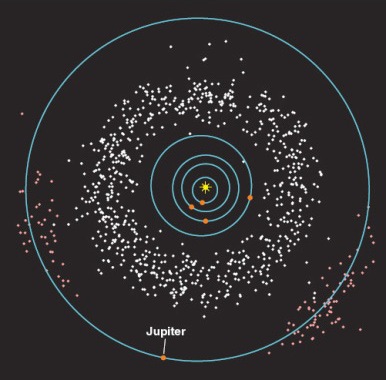
According to computer simulations, missing asteroids in our solar system may be the result of angry giant planets as they migrate to their current locations.
Browse ScienceInfo articles and explainers related to System.
5,630 published items.
According to computer simulations, missing asteroids in our solar system may be the result of angry giant planets as they migrate to their current locations.

US scientists worry that an imminent storm could disable the entire electrical system, telephone network, even the earth's water supply system.
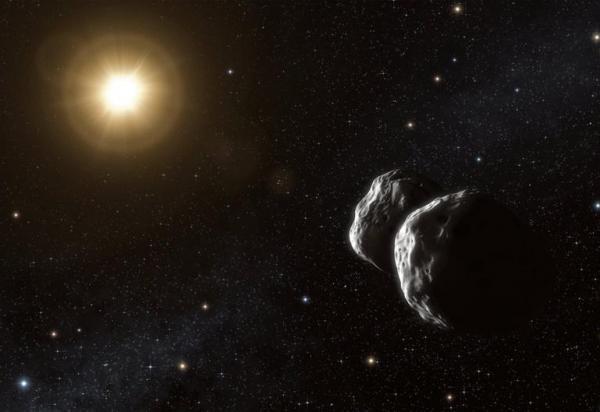
Marco Delbo from Côte d Observatory 'Azur, France, spoke about the research he directed:' Knowledge of small planets' sizes and shapes is crucial in understanding how to…
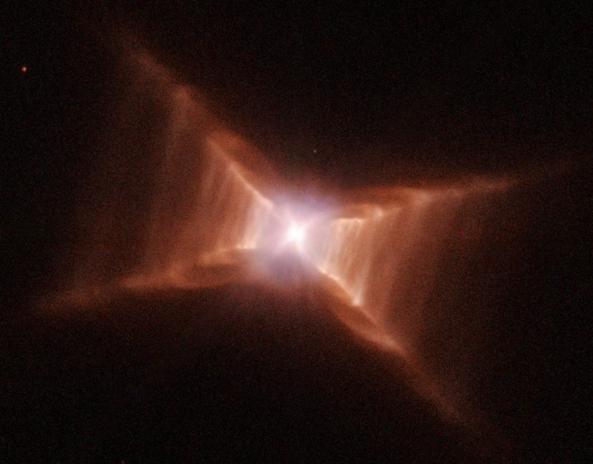
Cosmic dust annoyed astronomers because they prevented them from observing their distant stars.

Huble telescope has just taken a picture of 14 stars rushing in space with tremendous speed like giant missiles.
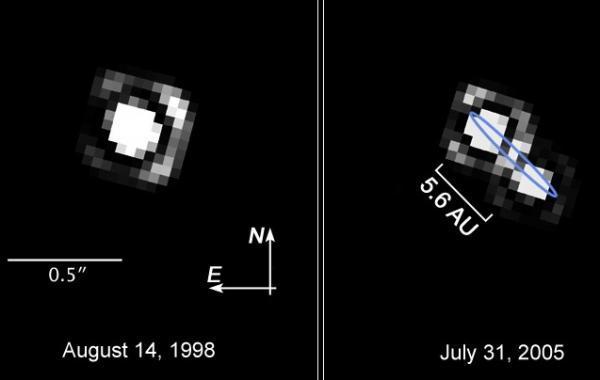
Brown stars, objects smaller than stars but larger than planets, are becoming more and more confusing, according to a study of 233 star systems of NASA's non-gina Hubble…

The Hubble Space Telescope has just discovered CO2 and CO in the atmosphere of a distant planet.
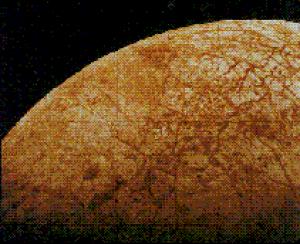
One of the moons in the solar system that scientists think has the potential to contain life can have more complex oceans than previously thought.

The astronaut helplessly looked at the tool bag slipping from her hand as she was editing the solar absorption system on the International Space Station (ISS).

The two astronauts of the American spacecraft Endeavor yesterday completed the third and longest trek in space.

Astronauts on the International Space Station (ISS) set aside a day to install parts of the system to recycle urine and sweat into clean water.

Earlier (December 1), the Endeavor spacecraft landed on an American air base, after completing its mission to repair and upgrade the ISS International Space Station, whi…
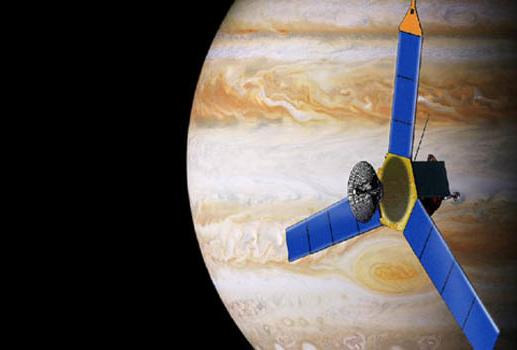
NASA officially undertook a new task to conduct a very detailed study of the planet.

On October 19, the US Space Agency (NASA) successfully launched an unmanned probe into orbit to study the interstellar boundary area on the solar system.
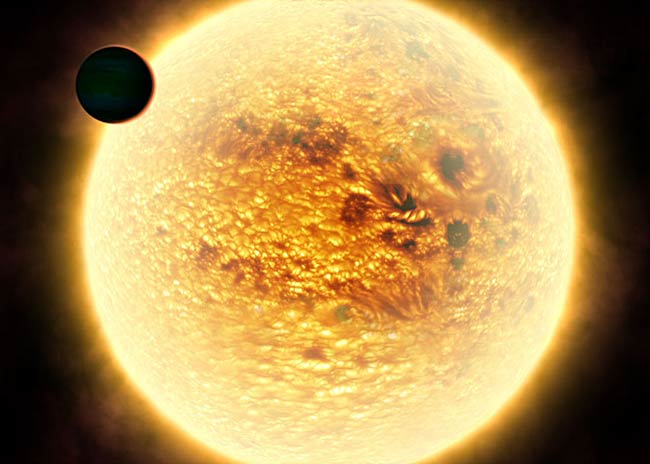
In the hunt for extrasolar planets, a new finding often sets new records.