Environment
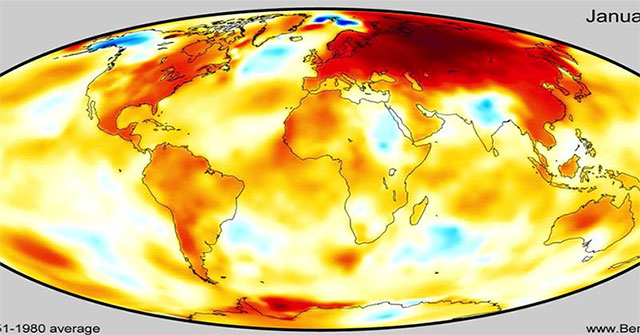
New worrying news: Arctic this week is as hot as 30 degrees Celsius
The place which is famous for cold ice witnessed a record heat.
Browse ScienceInfo articles and explainers related to Temperature.
2,022 published items.
The place which is famous for cold ice witnessed a record heat.

Hot and hot weather changes extremely erratic, along with the habit of using air conditioning 24/24 so many people are susceptible to heat stroke. This situation, if not…

Meteorologists around the world predict that the summer of 2020 will record temperatures 1 degree Celsius higher than the annual average.
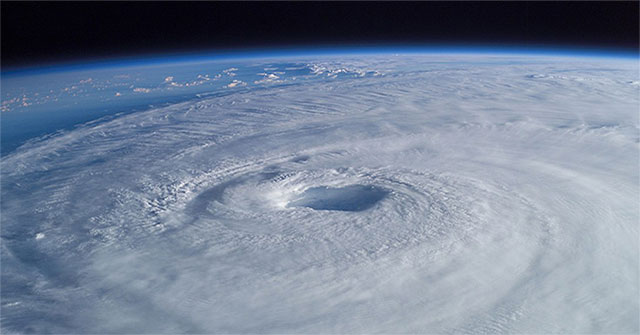
The bad news is until the storm season is near.

Scientists have discovered that a new ecosystem is forming in Antarctica when high temperatures cause the snow to thaw, creating favorable wet conditions for microalgae…

Humans are warm-blooded animals, able to maintain body temperature thanks to a balance of heat generation and heat emission.
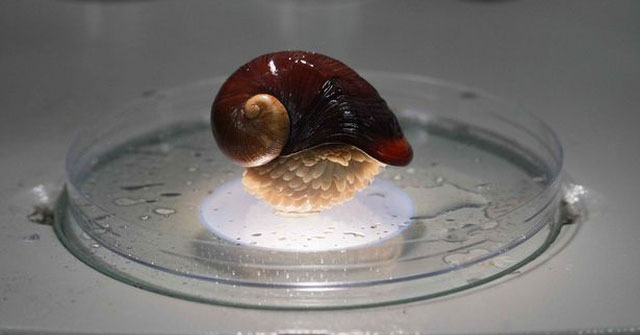
The foot-snail snail (hydrothermal snail) survived in what researchers call 'impossible conditions of life.
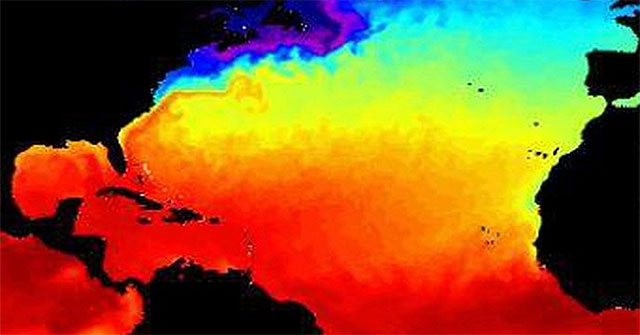
The world's oceans have reached record high temperatures, raising concerns about global warming effects that could make the weather of the year extremely extreme.
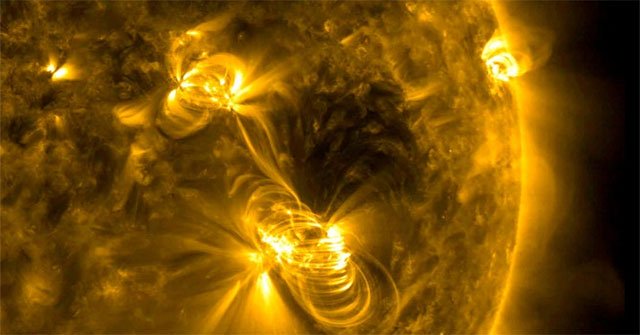
Our sun is less active than other similar stars. Due to black spots and other phenomena, the Sun has a weaker brightness variation.
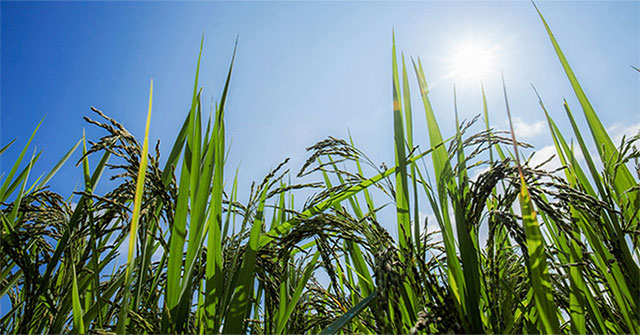
The key D1 protein in photosynthesis of rice is genetically modified in the cytoplasm, helping to increase yield and heat tolerance.

Scientists think that, by 2020, there is nearly 75% likely to become the hottest year ever.
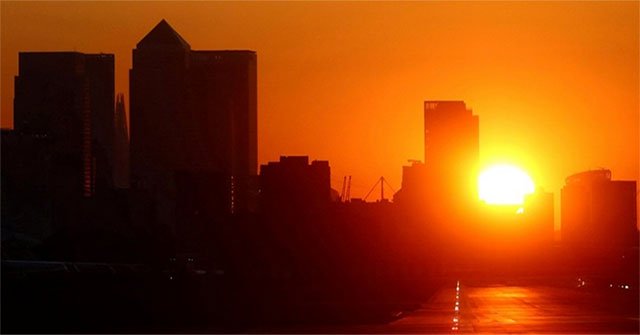
For the next 50 years, residents of Latin America, the Middle East, South Asia, East Asia, Southeast Asia and parts of North America and Europe will have to live with ex…

Chinese AI startup Rokid says it is preparing a large batch of smart glasses to detect people with Covid-19 and will deliver the product to the US soon.
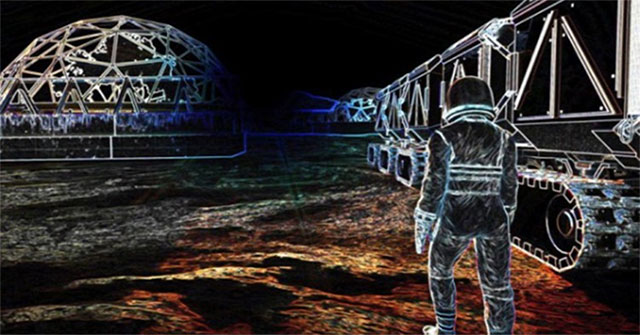
GD & TD - Geolocation of Mars is a story often mentioned by scientists. Currently, scientists often focus on preparing to adapt to the harsh conditions on Mars.
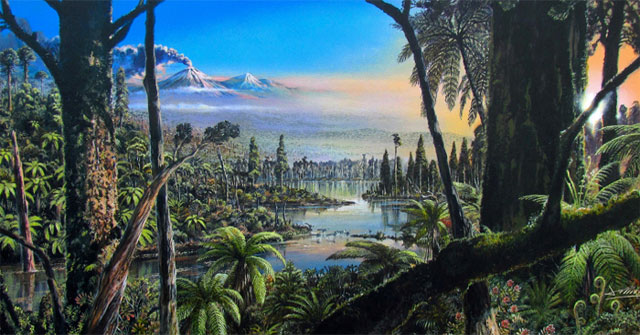
Scientists say most of the western part of Antarctica and large areas of East Antarctica were once rain forests.