Space science
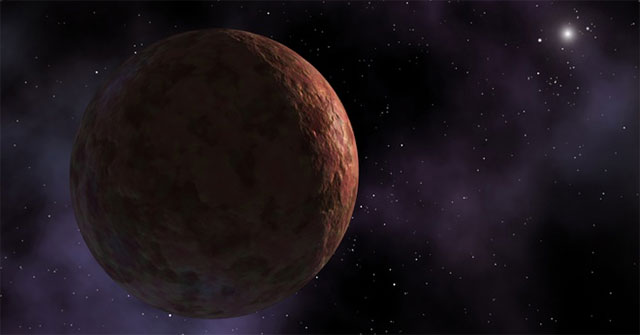
Does the 9th planet actually exist in the Solar System?
Over the years, astronomers have been searching for the existence of the 9th planet in the Solar System.
Browse ScienceInfo articles and explainers related to The Solar System.
148 published items.
Over the years, astronomers have been searching for the existence of the 9th planet in the Solar System.
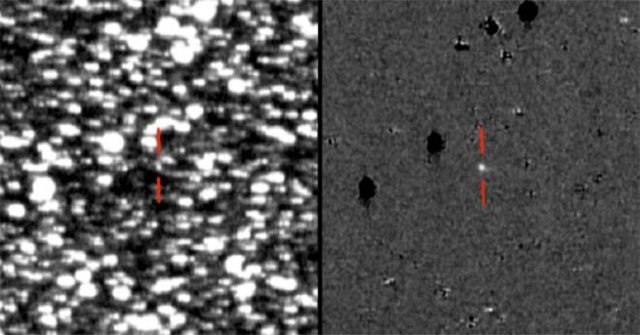
Scientists found that what they thought they were the mysterious 'debris' of the Solar System turned out to be just a filthy block of ice.
139 small planets, also known as microwaves, have been revealed in the dark region behind Neptune, which could be a clue to the ninth planet.
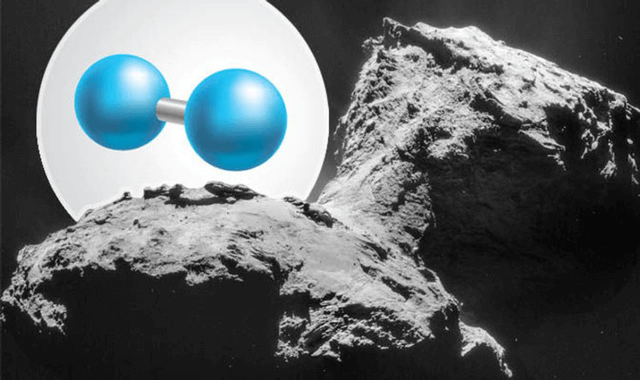
Researchers from the University of California, Riverside have developed a new technique that will use NASA's James Webb Space Telescope (JWST), scheduled to launch in 20…
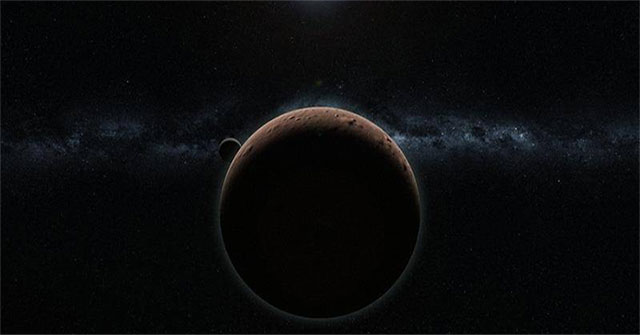
The International Astronomical Union (IAU) recently named a planet in the solar system after the Chinese water god Gonggong.
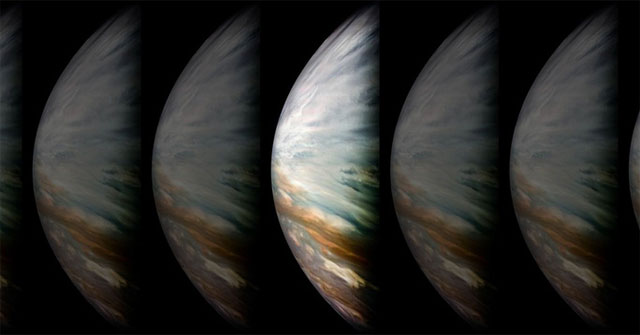
The gas giant, the oldest planet of the Solar System, has even more water in the atmosphere than water in the Earth's Arctic atmosphere.
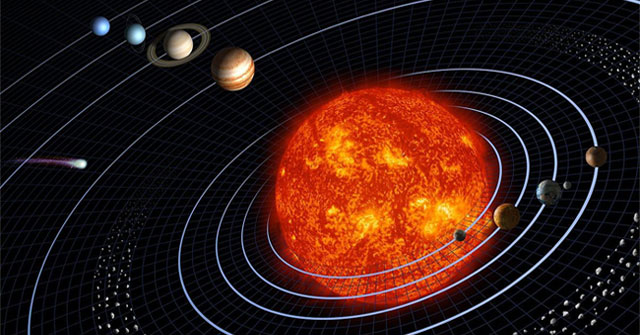
What is in the solar system? An astronomer once cleverly answered:
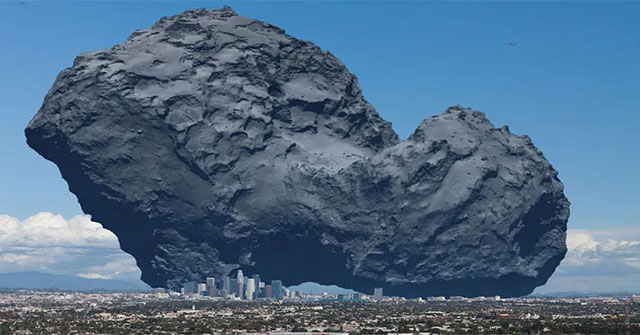
If you still think it is quite easy for humans to conquer the Moon, you need to know that we can put every planet in the Solar System between the Earth and the Moon, and…
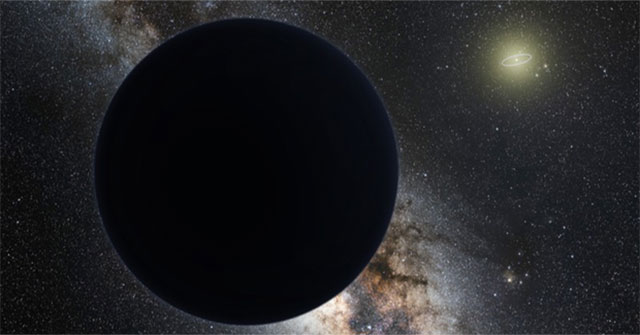
A team of scientists believe they have found a way to trace the mysterious 9th Planet in the Solar System.

The new video by NASA scientist Jessie Christiansen will make it easier for you to imagine how short the time humans lived on Earth.
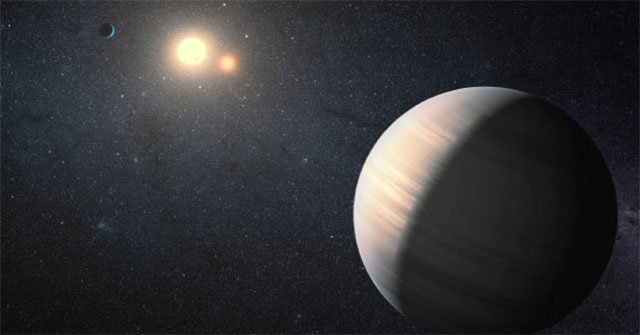
With the presence of a large and mysterious Neptune superstar, Gliese 15A officially became the most polycentric planet near the Solar System ever known.
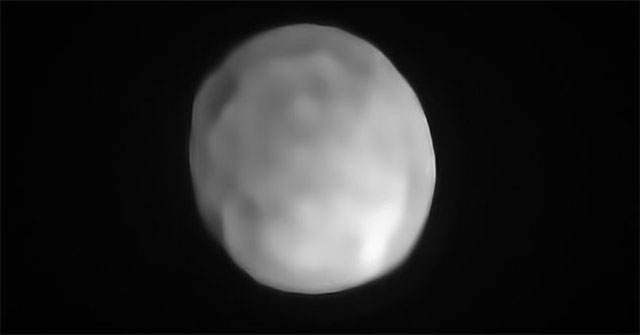
A space rock that has long been mistaken for asteroids may actually be a dwarf planet like Ceres or Pluto.
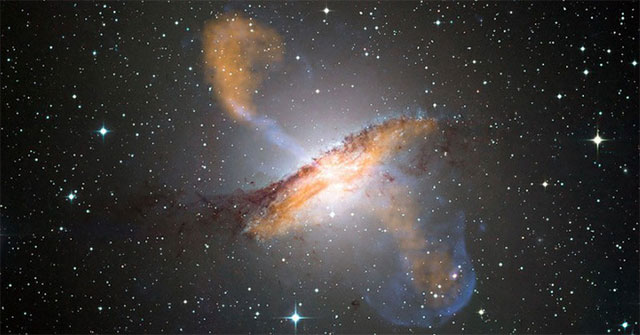
Some astronomers have just hypothesized that the mysterious 9th planet in the Solar System may not be a planet, but actually a primitive black hole.
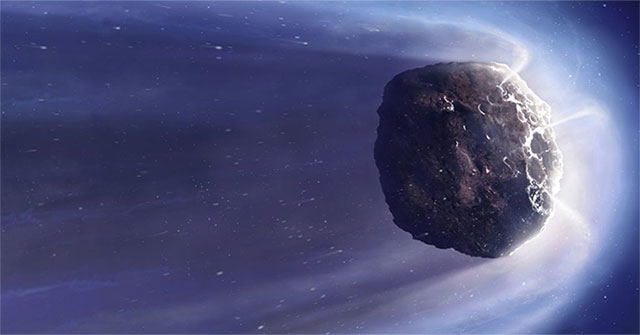
The researchers conclude that a 20 km diameter comet could come from outside the solar system based on its unusual orbit.
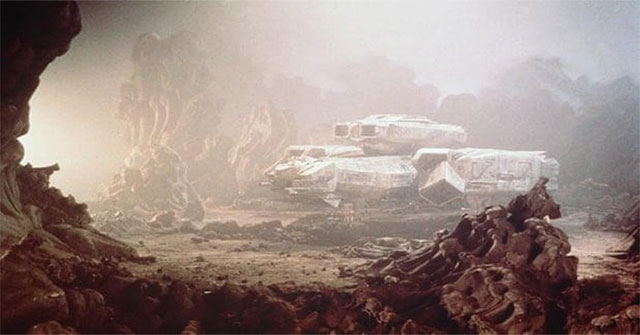
Scientists propose to preserve more than 85% of the solar system due to concerns that people will clean up gold and other resources in the system in just 400 years.