Space science
Announcing the first geological map on Saturn's Titan satellite
The map shows that the Titan has lots of plains and mounds, including frozen organic matter and many liquid methane reservoirs.
Browse ScienceInfo articles and explainers related to Titan.
100 published items.
The map shows that the Titan has lots of plains and mounds, including frozen organic matter and many liquid methane reservoirs.
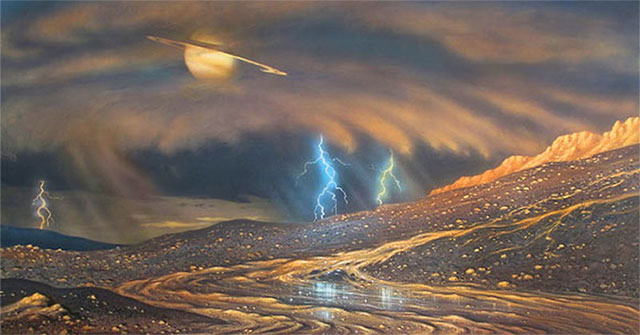
Astronomers using NASA's Infrared Telescope (IRTF) discovered propadiene - a colorless, flammable gas known as a specialized welding fuel in the stratosphere of the Moon…

Of all our solar system bodies, Saturn's Titan moon is closest to Earth, with a stable liquid on the surface and a dense, nitrogen-rich atmosphere.

More than 100 years ago when humans set foot on the moon, a French writer told about the first human journey to the moon ...
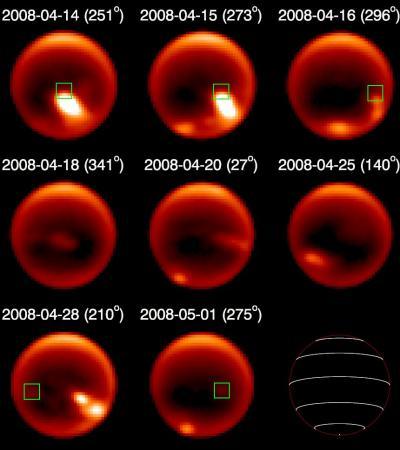
With many of the Earth's largest moon-like features, Titan, is the place where

A fossil of the largest known dinosaur ever found in Thailand was discovered in the northeastern part of the country.

Complex organic molecules hidden in giant dust storms increase the hope of finding life on the moon that NASA has dubbed.
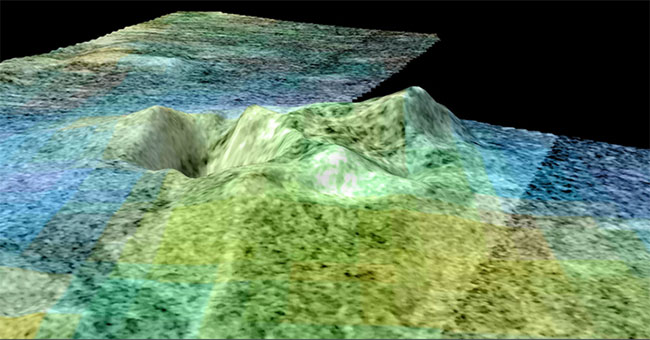
The study has just published in the Astrobiology scientific journal of the US scientists group of many units, using data that Cassini research spacecraft.
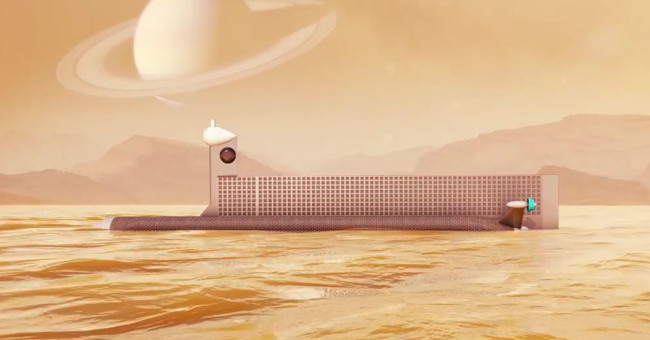
The Titan moon is by far the only celestial body in the solar system outside the globe that contains sea of liquid on the surface.
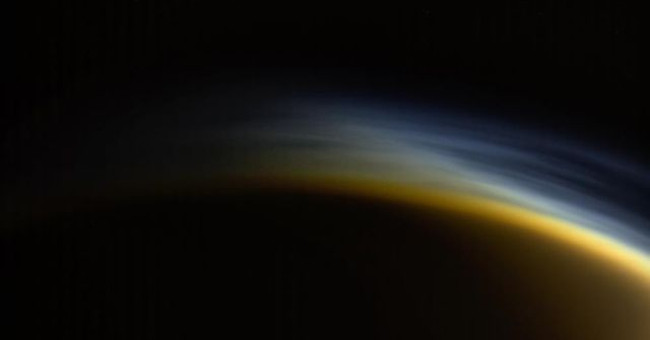
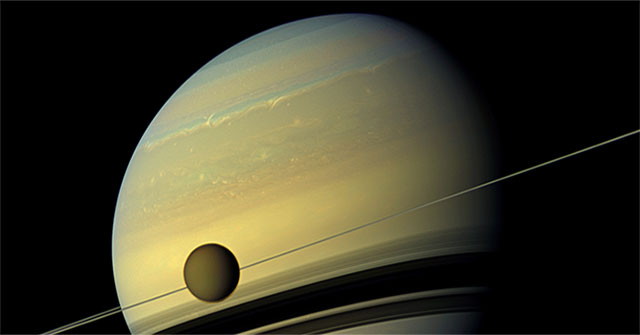
NASA has just released two stunning new images of Saturn's moon Titan, where scientists believe it is eligible to form extraterrestrial life.
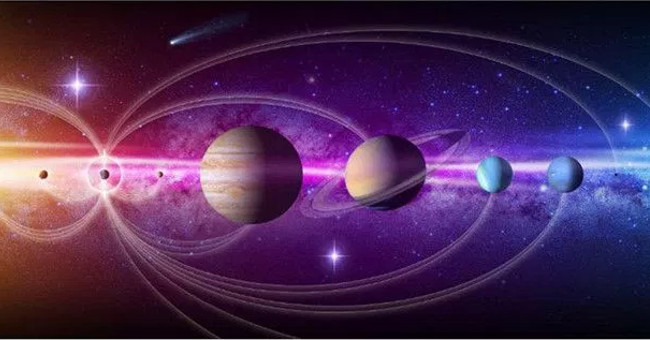
The latest mission of the US Aeronautics Agency will either take the robotic spacecraft onto Saturn's Titan moon or collect specimens from the core of a suitable comet.
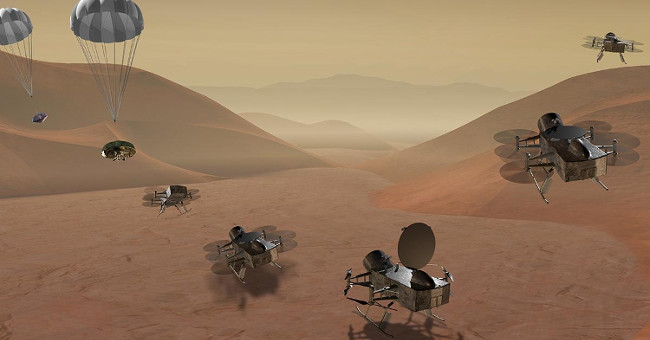
Peter Bedini, director of the Dragonfly project, said the flying dragon's flying ability will help it to overcome geological obstacles more easily than previous equipmen…
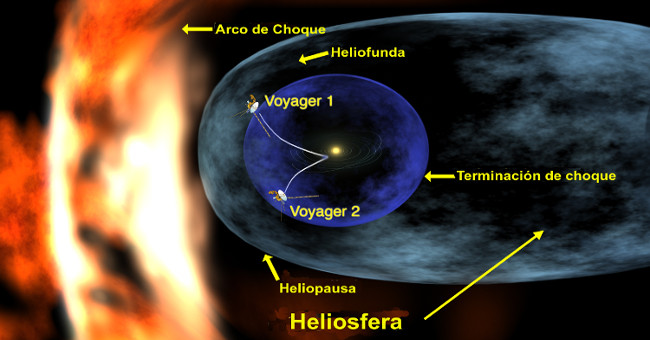
The Voyager 1 spacecraft is a 722kg (1,592 lb) robot space probe operating outside the Solar System and beyond, launched September 5, 1977.
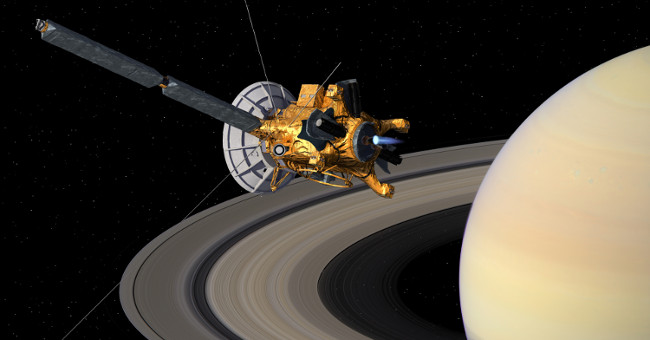
After debuting in 1997 and approaching the Saturn system in 2004, Cassini spent 13 years exploring the planet and its moons.
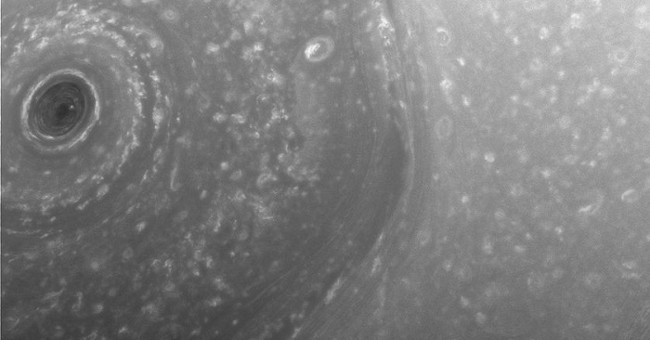
Cassini is running out of fuel. When the fuel runs out, scientists won't be able to control Cassini in the right way.