Archeology
People use drugs from prehistoric times
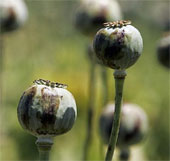
According to a Spanish anthropology professor, humans use hallucinogens and opium poppies from the Stone Age.
Browse ScienceInfo articles and explainers related to Tobacco.
176 published items.
According to a Spanish anthropology professor, humans use hallucinogens and opium poppies from the Stone Age.
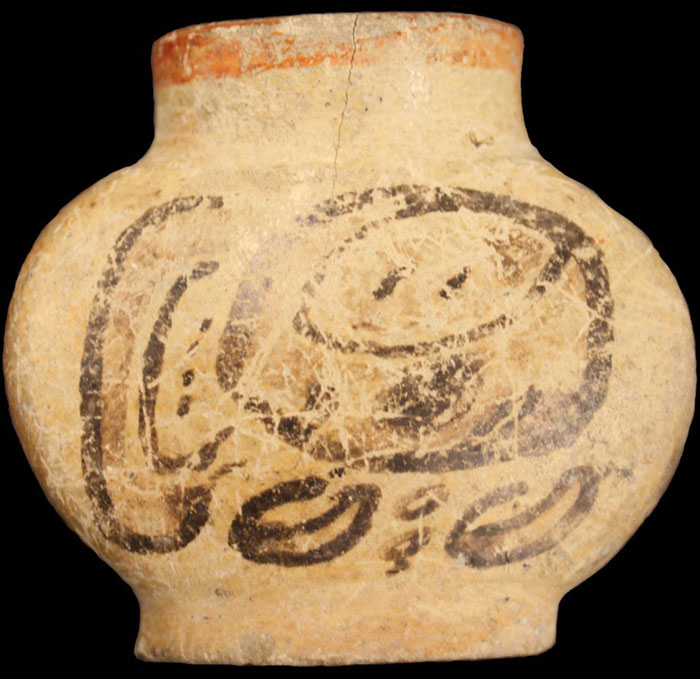
They speculate that this is the old Mayan tobacco leaf container, dating back over 1,000 years. Decorated outside the vase is a line of words

Peruvian archaeologists on November 19 found fossils of a tobacco plant in the North Amazon region dating back 2.5 million years.

According to calculations, people who smoke on a pack of cigarettes a day have a much higher risk of ejaculation disorders than those who do not smoke. A recent study ha…
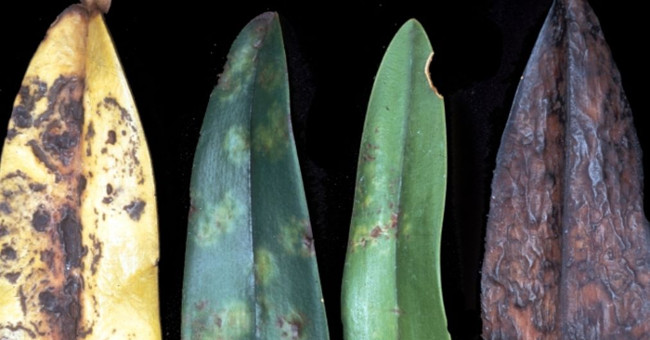
All the benefits of plant viruses are probably only limited by our imagination.

A native Australian plant that lasts 750,000 years in drought conditions can hold the secret to growing vegetables in the universe.
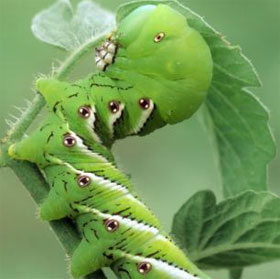
A caterpillar that feeds on tobacco leaves contains toxic nicotine, has used the technique
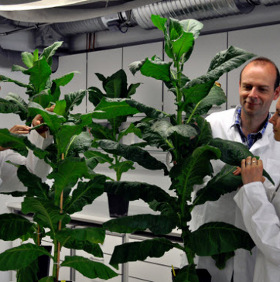
In a groundbreaking study, scientists in Germany transformed genes, creating tobacco plants that grew constantly.
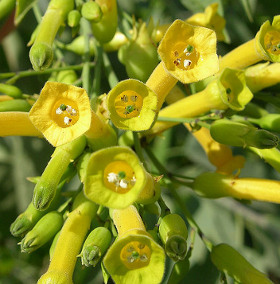
Chemicals in cigarettes are harmful to health, but a genetically modified tobacco plant can provide antibiotic-resistant antibiotics.
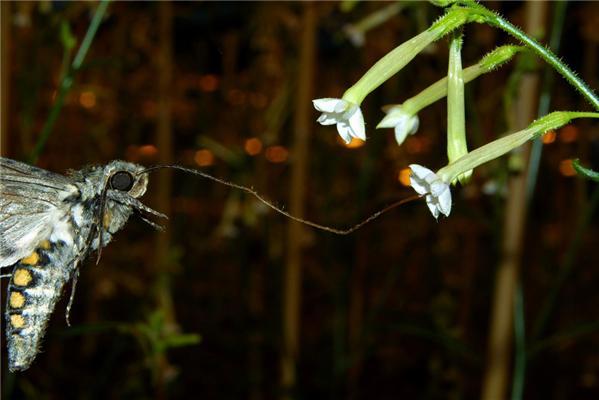
Insects have a very keen sense of smell. With extremely low odor molecules in the air, it is enough for them to be identified by neurons on the antennas.
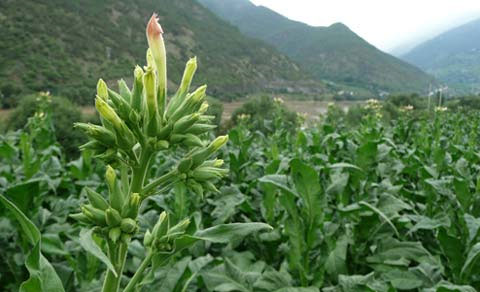
New Scientist magazine reports that some plants can choose mates to avoid mating

Thanks to genetic modification technology, plants that cause many human health problems can become a source of biofuels for engines.

To reduce damage caused by caterpillars, a species of tobacco plants converts time to flowering from night to day.

Scientists at Kyoto University (Japan) have made a breakthrough in the way of creating tobacco that does not contain nicotine toxins.

These four plants not only change the daily life of hundreds of millions of people but also affect the history of the world.