Space science
Finding the origin of the explosive object that caused the universe to evolve dramatically
A multinational research team has discovered the origin of
Browse ScienceInfo articles and explainers related to Universe.
2,417 published items.
A multinational research team has discovered the origin of
Recently, researchers from Poland and Singapore have proposed a new theoretical system of light that does not contradict Einstein's special theory of relativity.

The James Webb Space Telescope has set a new record by reaching into the universe when it was just 2% of its current age and capturing images of the oldest galaxies ever…
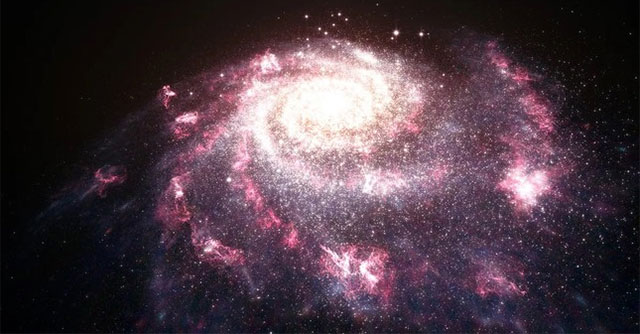
Astrophysicists explain why the James Webb Telescope discovered a mysterious group of galaxies that threatens to disrupt cosmology.
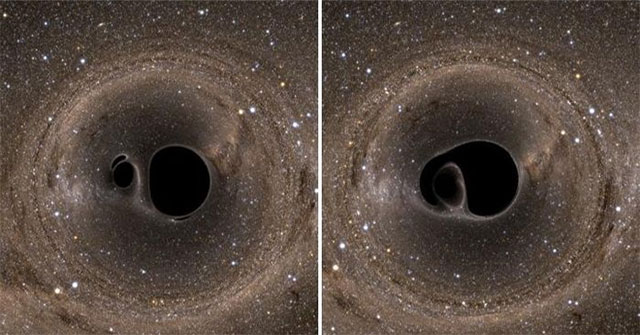
Scientists can now know what is going on inside a black hole and part of how this celestial body works.
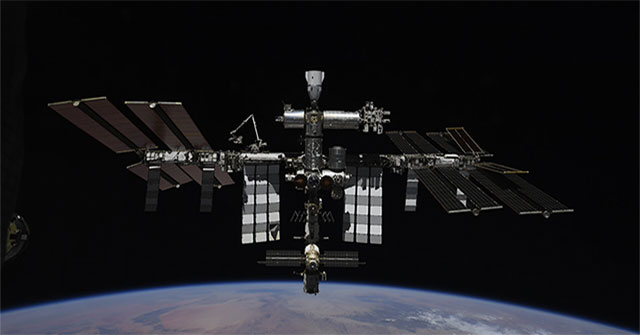
In the vast universe, the International Space Station is like a bright star, attracting the world's best astronauts to gather here.
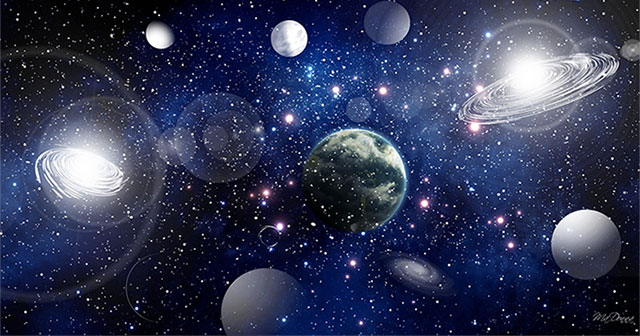
The world we know is not infinite. Many people wonder, if the universe is finite, then it must be part of something.
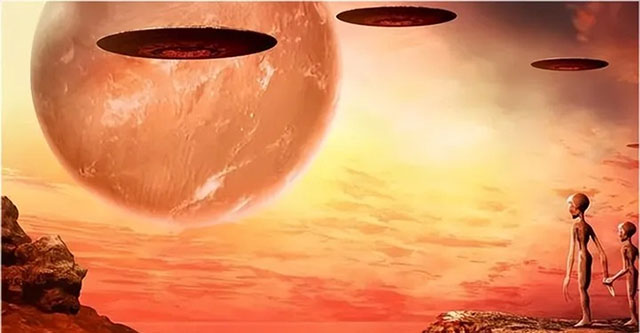
In the process of exploring the mysteries of the universe, scientists have discovered many clues about life.
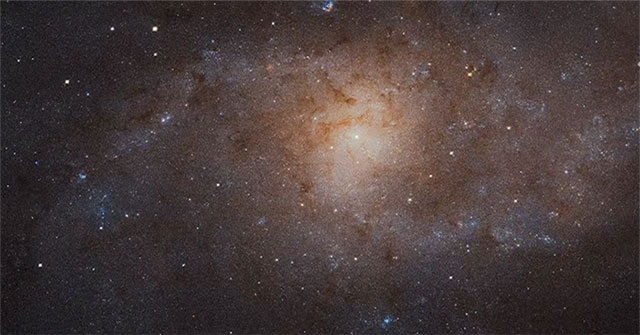
Perhaps this will remain a question for mankind forever, because we cannot answer it, but try to imagine if the universe had a limit, what would that boundary be like?
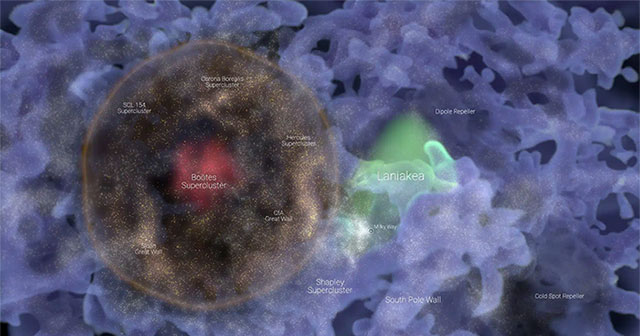
The giant bubble, dubbed Ho'oleilana, whose center lies 820 million light-years away from the Milky Way galaxy, may be the remnant
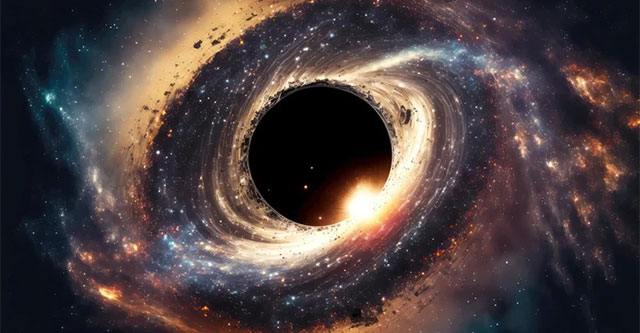
Black holes are one of the most fascinating objects in the universe, but human understanding of black holes still has many aspects that cannot be clearly answered.

Astronomers previously believed that the universe was infinite, but Einstein's theory of general relativity showed that our universe does have a boundary, but this bound…
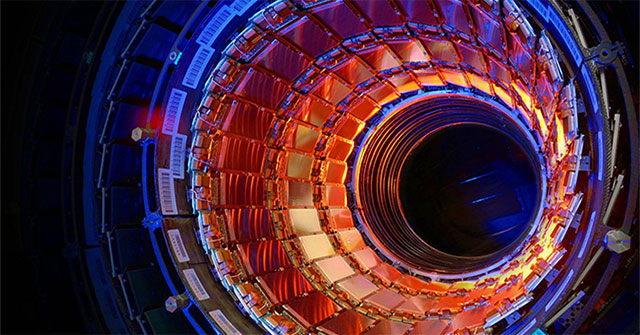
The Large Hadron Collider (LHC) is known as one of the largest and most complex scientific experimental facilities in human history.
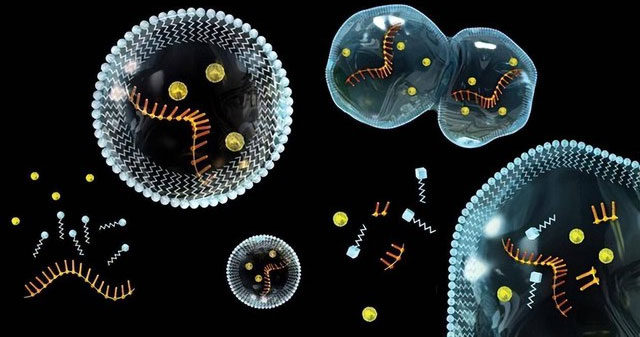
What is the origin of life on Earth? Did life originate on this planet itself or from distant places in the universe?