
Cancer
How to prevent cervical cancer every woman needs to know
HPV vaccination, routine screening helps prevent and detect cervical cancer early.
Browse ScienceInfo articles and explainers related to Vaccine.
666 published items.
HPV vaccination, routine screening helps prevent and detect cervical cancer early.

A study recently published in the Proceedings of the American Academy of Sciences (PNAS) will bring good news to skin cancer patients, particularly those with melanoma.
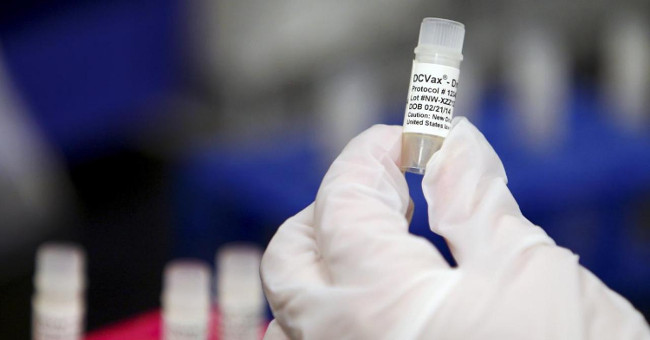
Tests show that brain cancer vaccine helps patients with glioblastoma last twice as long after surgery.
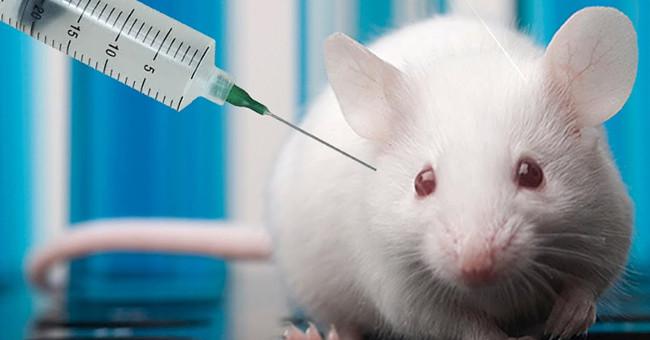
US scientists successfully created the vaccine that could be injected directly into the tumor in mice to kill cancer cells.
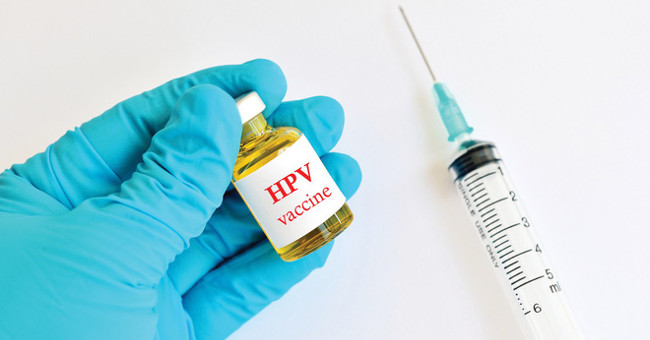
Cervical cancer is an extremely dangerous disease, classified as one of the leading risk-causing diseases for women.
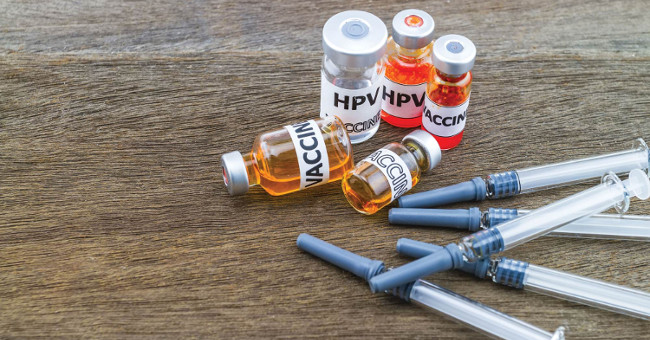
HPV (Human papilloma virus) is one of the causes of cervical cancer in women and related diseases such as genital warts, anal cancer ...

With similar immunosuppression mechanisms, US scientists have removed both the main tumor and distant metastases in the bodies of experimental mice with cancer.
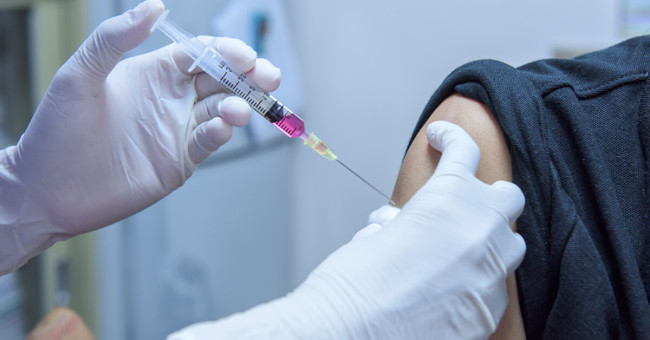
The first person to test the new vaccine was revealed by Moderna Therapeutics to be a lung cancer patient. This patient had a tumor but had surgery removed.

Researchers say two small-scale skin cancer vaccines that have been tested have proven safe and provide an immune response to cancer cells.
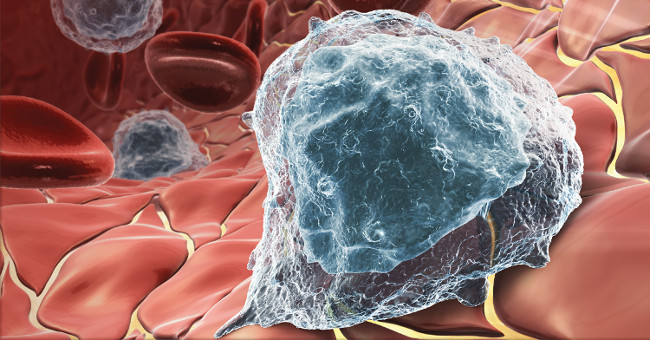
There are many types of cancer and to find a really effective method for each patient is not simple, it takes a lot of testing.

Scientists are studying entirely new methods to fight cancer at a time when cells are still underdeveloped.
Doctors in the United Kingdom conduct a new injection of a vaccine that allows the immune system to attack cancer cells and prevent them from spreading throughout the bo…
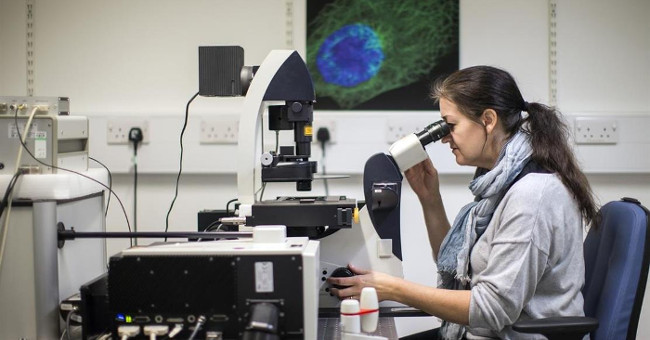
After more than 50 years of being embargoed by the US, from a country

US scientists say the process of testing a new vaccine against melanoma (melanoma) has initially yielded encouraging results.
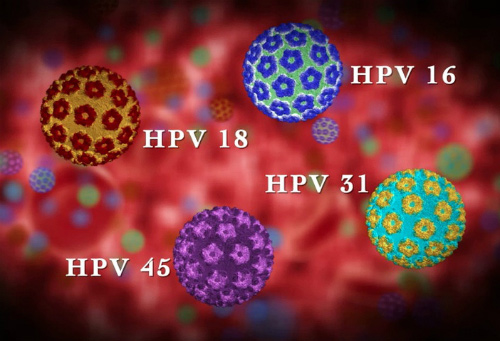
95% of cervical cancers are caused by HPV. Women who smoke are twice as likely to become ill. Taking birth control pills for a long time increases your risk.