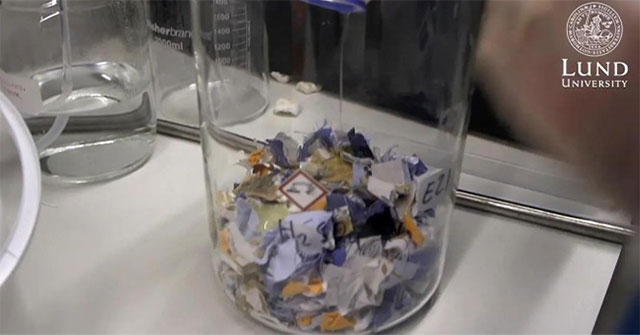
Science invention
New invention recycles cotton waste into new high-value fabrics
The new method converts waste cotton fabric into sugar, which can be used to make spandex, nylon or ethanol.
Browse ScienceInfo articles and explainers related to Waste.
1,012 published items.
The new method converts waste cotton fabric into sugar, which can be used to make spandex, nylon or ethanol.
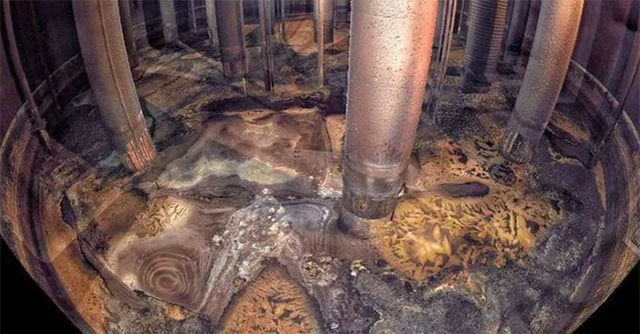
Scientists have spent nearly three decades cleaning up 177 huge radioactive waste storage tanks at the Hanford Site in Washington state, USA. And they are just getting s…

The coating, developed by the Rutgers School of Public Health, can be sprayed on food, washed before eating, and takes just three days to break down in the soil.

Scientists have just announced a special fish robot design, programmed to remove microplastics in the ocean. True to its name, the tiny device can swim in water, absorbi…
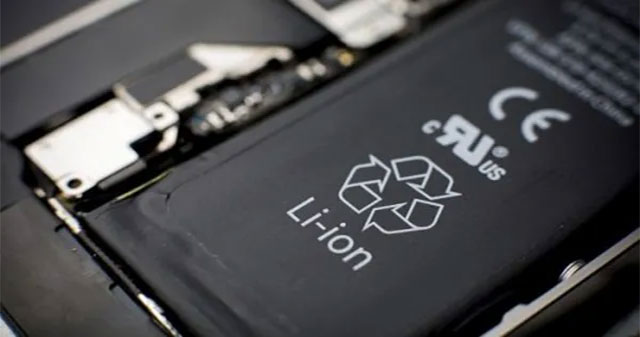
We need safer ways to recycle electric car batteries and cell phones. Therefore, it is not feasible to recycle lithium batteries for car cell phones.

With plastic waste on the rise around the world, Buthelezi is using her work to bring attention to and combat the problem.
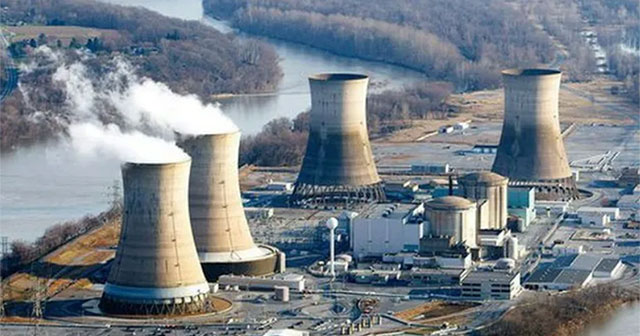
No matter how powerful one might think about nuclear energy, it is undeniable that creating nuclear power means releasing tons of radioactive waste.

Scientists in Australia have found a solution that can contribute to the treatment of about one million tons of plastic waste each year in this country.
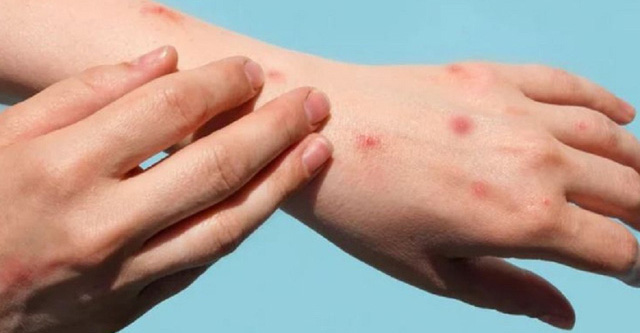
The monkeypox virus is spread through direct contact, and medical experts fear medical waste could be the cause of the virus being transmitted to humans.
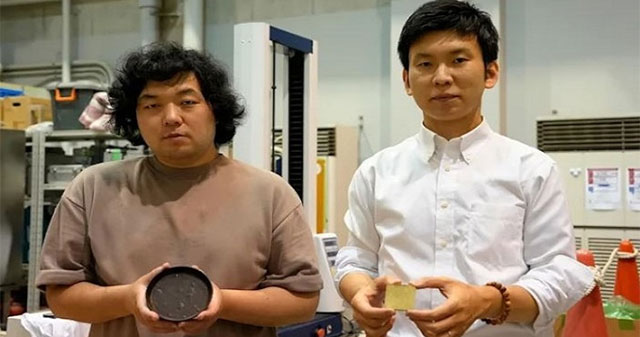
Research group Kota Machida and Yuya Sakai at the University of Tokyo have developed technology to convert food waste into edible cement for construction purposes.
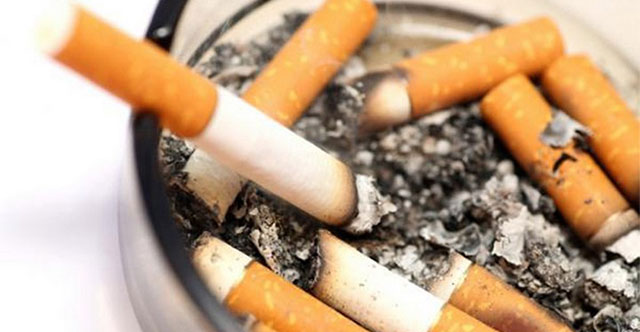
The most common source of plastic pollution in our environment is not plastic bottles, plastic bags or food wrappers but tobacco waste.
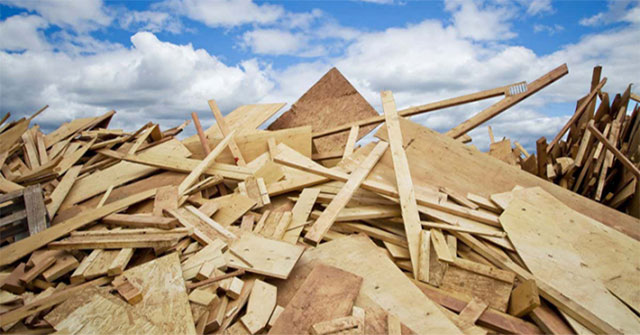
A team at the University of British Columbia has developed a new technique that turns waste wood into a material that is five times stronger than natural wood.
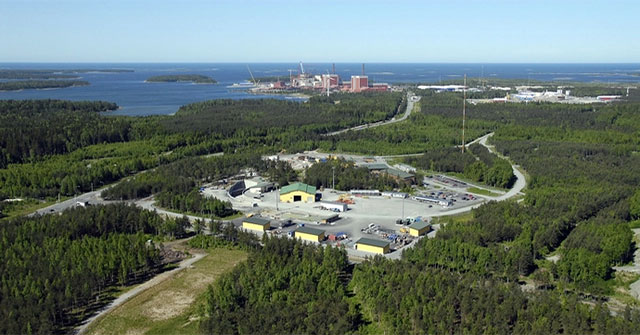
The foundation beneath Onkalo has been stable for at least the past 1 billion years. Geologists say the area won't experience any more earthquakes until the next ice age.
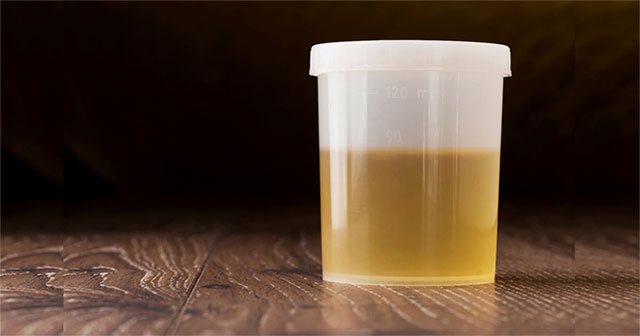
While today we view urine as a type of waste, in ancient times it was considered a valuable commodity.
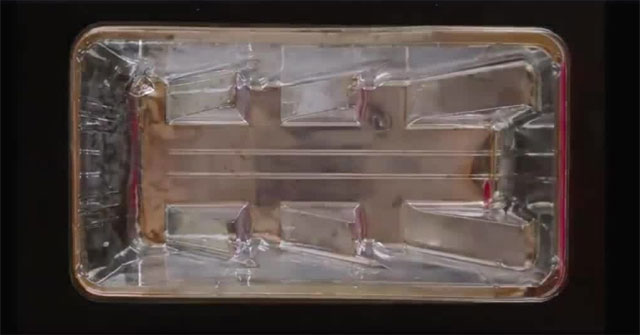
The team at the University of Texas developed an enzyme that effectively degrades PET plastic at temperatures of 30 - 50 degrees Celsius and a variety of pH levels.