
Science story
Causing large wounds like craters, how do supersonic bullets threaten people?
Supersonic bullets leave wounds as large as craters, but do not penetrate skin and flesh as solids like traditional shots.
Browse ScienceInfo articles and explainers related to Weapon.
721 published items.
Supersonic bullets leave wounds as large as craters, but do not penetrate skin and flesh as solids like traditional shots.
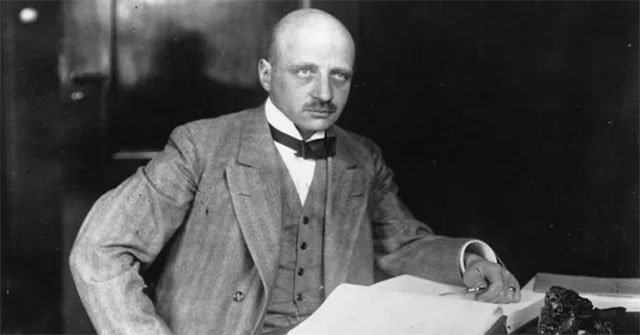
Fritz Haber is a special phenomenon in history when it has both great contributions to the survival of billions of people around the world, but at the same time, it also…

Right! Einstein was obsessed with a woman ten years younger than him, he even revealed the secret of developing the atomic bomb in the Soviet Union.
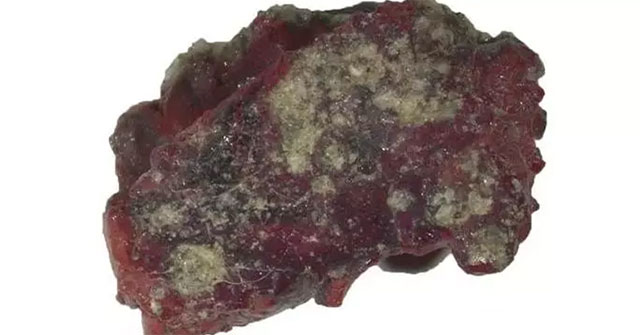
This material is believed to have been created from the first nuclear weapons test in human history...
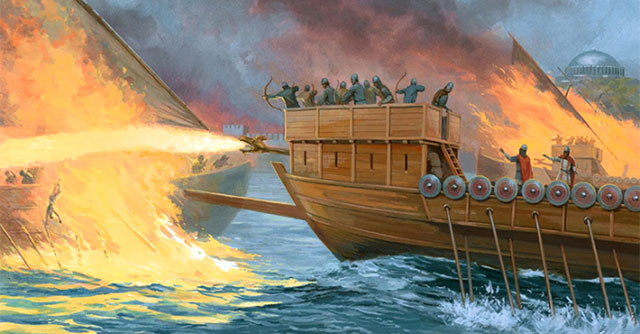
Greek fire is one of history's most influential military inventions, but its formula remains a mystery to this day.

The National Interest magazine has listed 5 US weapon systems that they consider 'the most powerful of all time'.
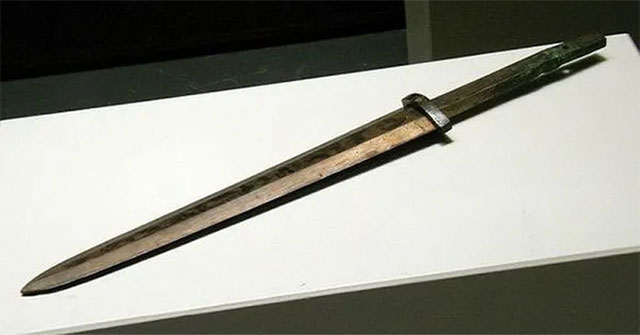
What is the reason why the weapons of the terracotta army in the tomb of Qin Shi Huang are so perfectly preserved, shiny and sharp after being buried for more than two m…
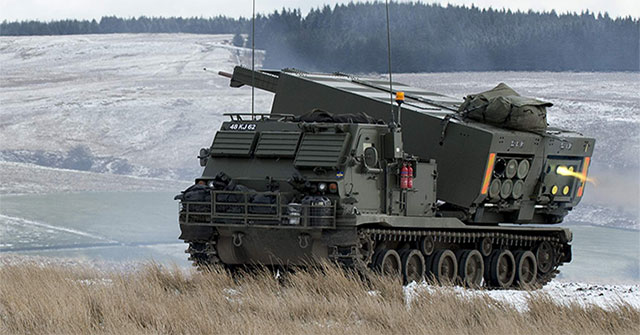
HIMARS or M142 HIMARS is a highly mobile rocket artillery system that can fire a variety of missiles with a range of up to 500km.

President Putin boasts that Poseidon's speed and ability to operate in the deep sea will make the opponent unstoppable.

The Kugelpanzer was a German tank design of World War II. It is one of the strangest armored vehicles ever designed.
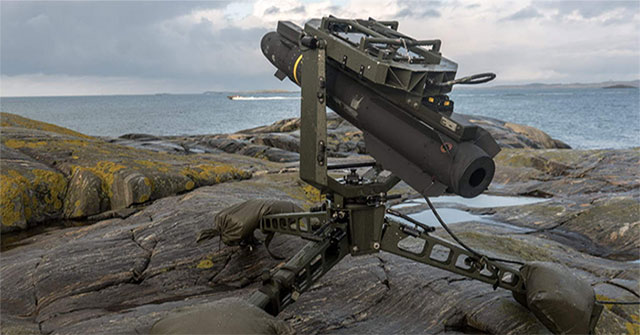
Robot 17 is a coastal defense missile system developed by Sweden based on the famous American AGM-114 Hellfire missile and was produced in the 80s.
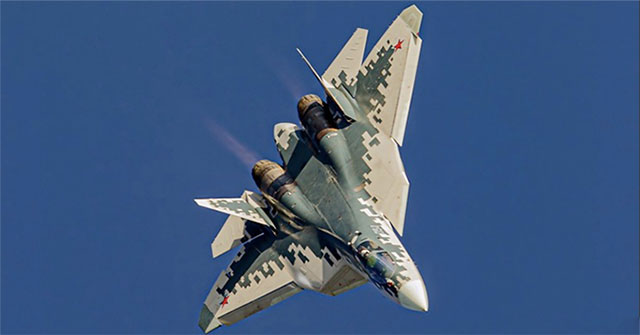
In the list, there are 3 representatives from China. They are strong competitors with Russian and American fighters in this field.
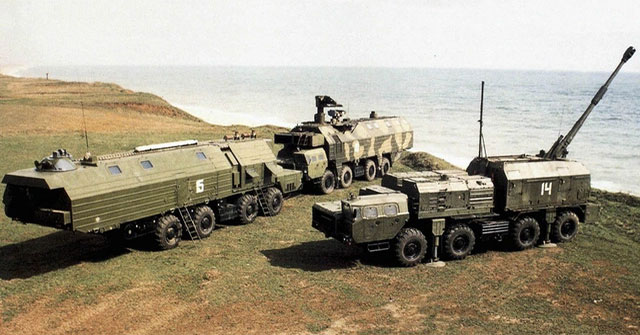
The Russian-made A-222 Bereg mobile coastal artillery complex is said to be unique, with no similar type in the world, possessing many outstanding advantages.
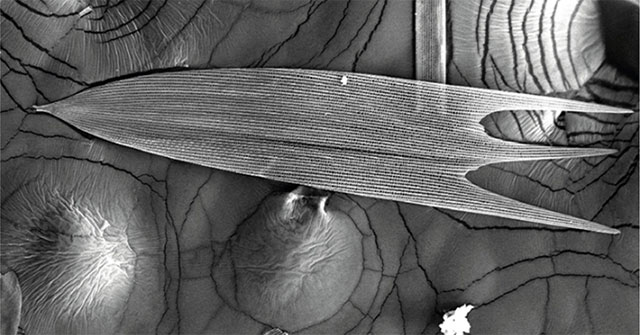
The scales on the wings help the moths resist echolocation, inspiring experts to develop lightweight noise-reducing materials.
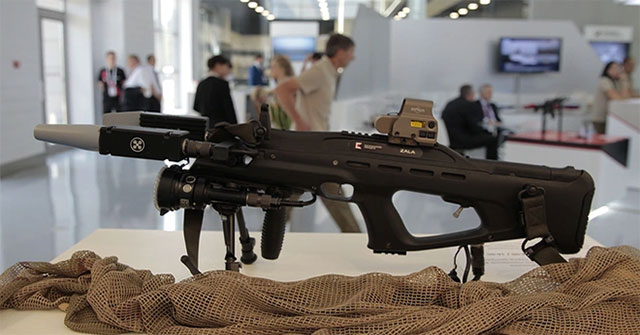
The gun has a 'range of fire' up to 2 km and targets can be robot-drones operating in the air, on water or on the ground.