Oceanography
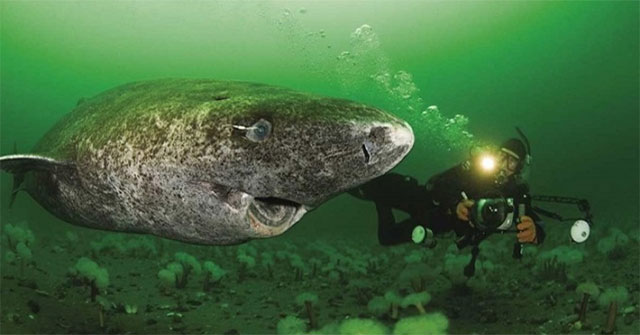
Why are deep-sea animals often huge in size?
Many large deep-sea animals outnumber their relatives elsewhere, perhaps for environmental reasons or for survival purposes.
Browse ScienceInfo articles and explainers related to Animal.
5,291 published items.
Many large deep-sea animals outnumber their relatives elsewhere, perhaps for environmental reasons or for survival purposes.
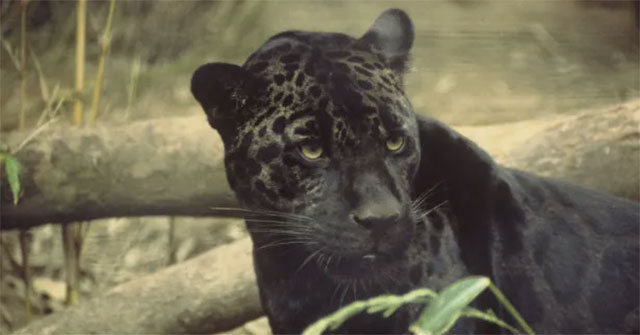
Imagine you are walking through the jungle in Southwest China when suddenly you come across a large dark patch, like a shadow, standing still.

Experts recorded the strange encounter between two dolphins and giant pythons on the Tijamuchi River, Bolivia
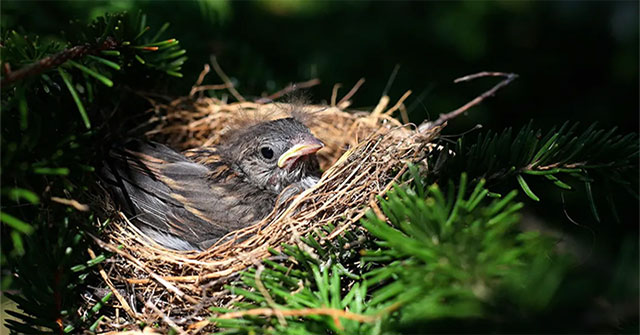
Some birds have elaborate dome-building habits, although many ecologists have long argued that dome-shaped nests better protect birds from threats such as predators or t…

Aggressively attacking the giant python right in the water, the belligerent monkey had to pay a very heavy price.
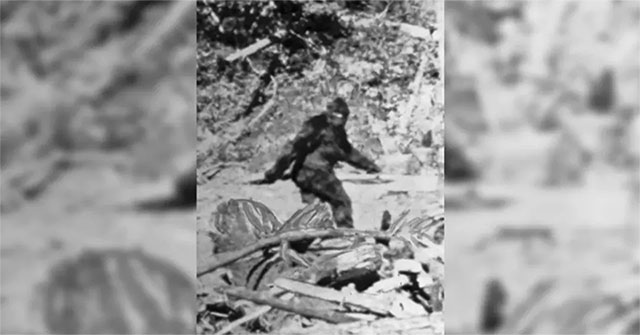
We still circulate stories about the encounters between humans and strange creatures, fictional animals like Bigfoot, Leviathans (mythical sea creatures),... Fantasy rum…
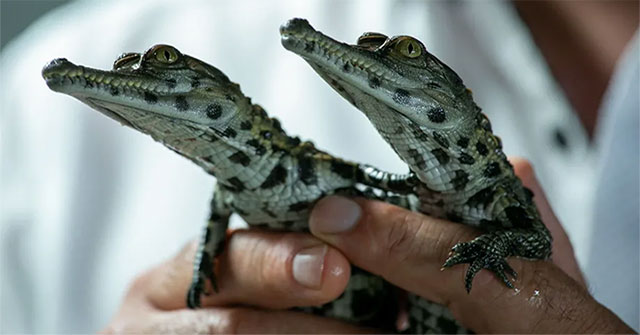
In a new study published in the journal Nature, an international team of wildlife conservationists warns of a worrying reality in their work.
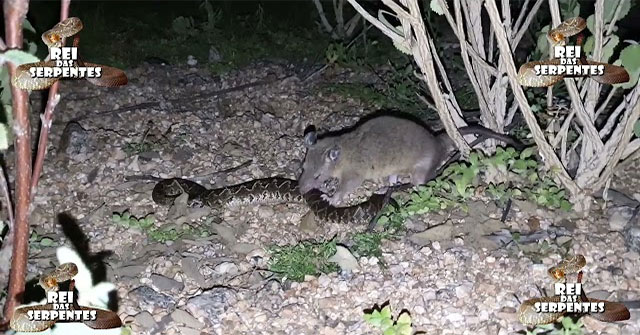
An extremely venomous South American rattlesnake (Scientific name: Crotalus Durissus) encountered a hungry animal in the dark. The surprising thing is that the person wh…
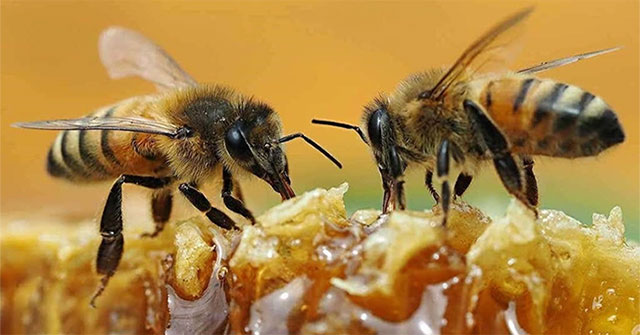
A published study shows that honey bees can learn to calculate even and odd numbers just like humans.
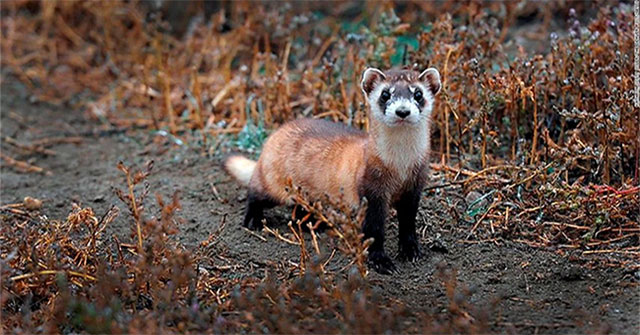
When Kurt Benirschke first collected skin samples from endangered species in 1972, he had no firm plan for what to do with them.
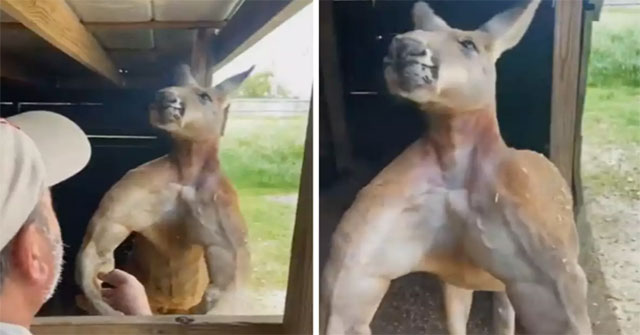
The kangaroo has a muscular body like a professional bodybuilder, making netizens stunned.
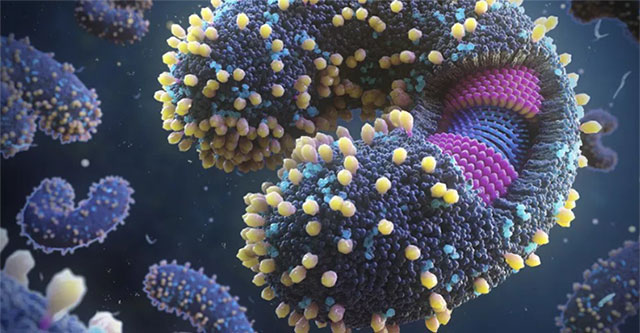
Thousands of new viruses have been discovered, they appear in the air, animals, oceans, even falling from the sky.
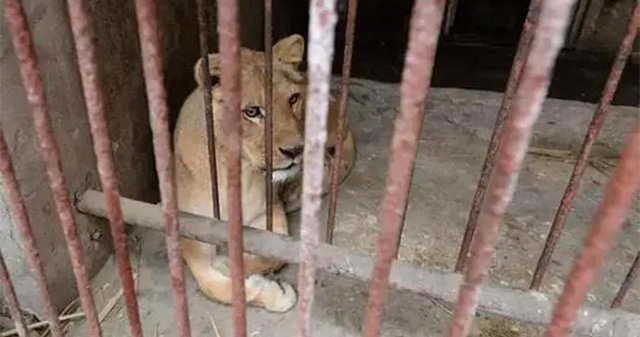
Is depression unique to humans? Of course not! Because many animals in captivity also suffer from 'depression'.

One study explains why humans usually die around the age of 80, while other mammals live much shorter or longer lives.
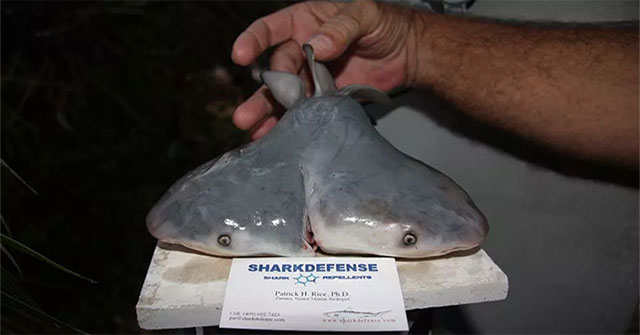
Two-headed animals are usually individuals that have been mutated in the womb and often do not live too long after birth.