
1001 mystery
Mothman: Urban Legend or Unknown Creature?
The animals and plants we know about may only be a small fraction, and there may be other mysterious creatures living in many places we don't know about and have never s…
Browse ScienceInfo articles and explainers related to Animal.
5,291 published items.
The animals and plants we know about may only be a small fraction, and there may be other mysterious creatures living in many places we don't know about and have never s…
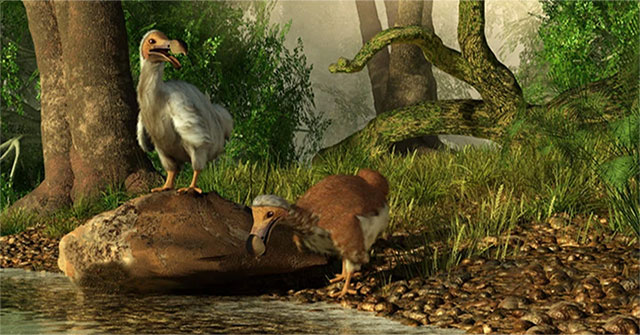
The dodo, one of the largest birds on Earth, faced extinction in the late 17th century and was officially considered extinct by humans in 1662.
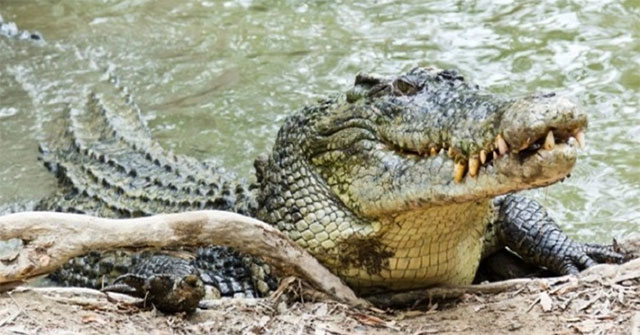
The saltwater crocodile is considered to have the strongest bite of any animal currently living on Earth.
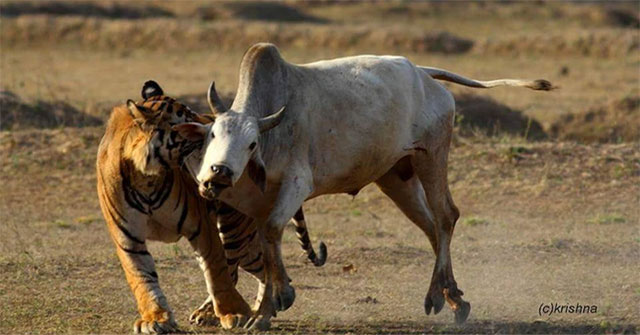
Cattle are common domestic animals and have played an important role in human history, especially during the farming period where cattle played an important role.

Crows are highly intelligent animals with the ability to learn and remember. New research has shown that crows have the same cognitive abilities and sense of the world a…
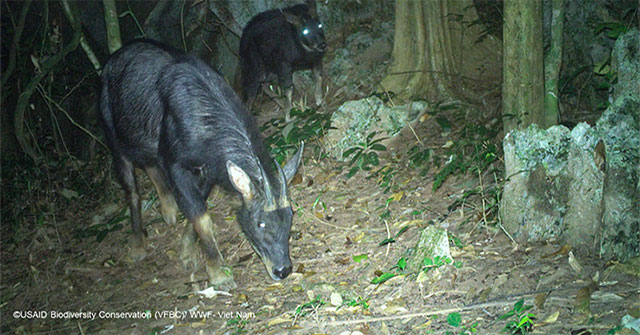
The largest ever camera trap campaign conducted by conservation organizations in 21 forests in Vietnam has recorded images of a number of rare and mysterious animal spec…

A newly published study has provided further evidence that Covid-19 originated from the Huanan market in China.
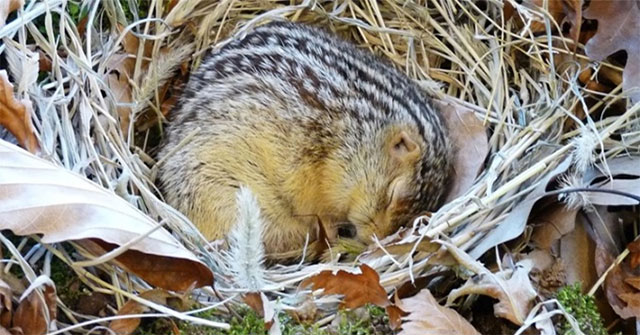
For six to eight months each year, striped ground squirrels do not leave their small underground burrows and do not need to eat or drink at all.

A new scientific study has revealed evidence of the diet of prehistoric people who lived in North America during the last Ice Age.
Killer whales, bonobos, African savannah elephants and leaf-cutter ants have one thing in common - they all rely on their offspring to survive and thrive.
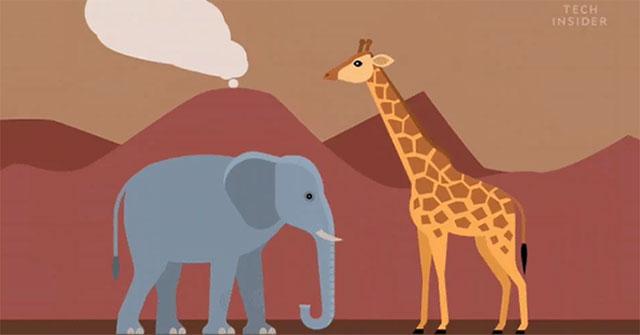
By conventional reckoning, the giraffe is the tallest animal still living on Earth.
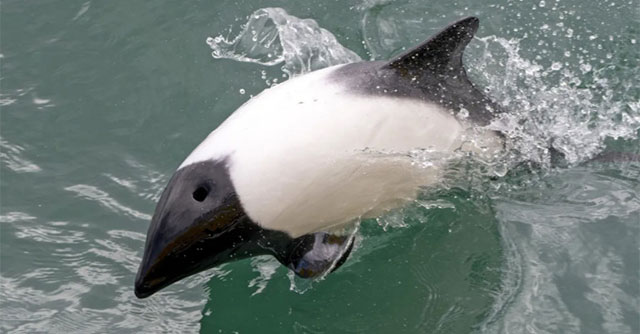
The black and white markings of Commerson's dolphins may be a form of camouflage that enhances their ability to hunt prey.
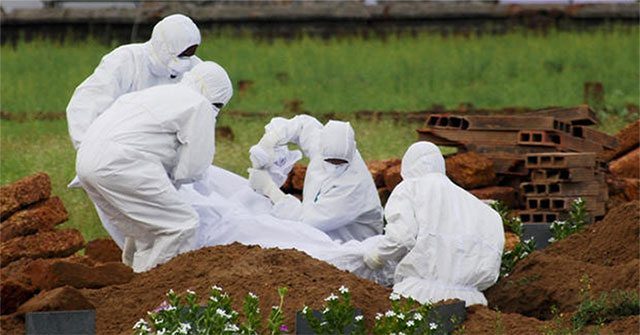
To date, there is no vaccine to prevent or cure Nipah virus infection. The disease has a mortality rate of about 70%.
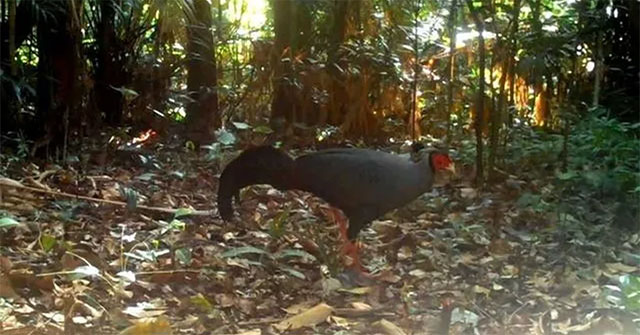
During the process of setting camera traps to monitor biodiversity, Ke Go Nature Reserve recorded many rare and precious wildlife species.
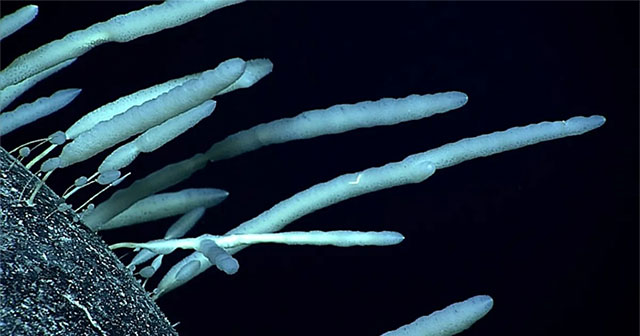
One of the most astonishing examples is the Antarctic sponge Monorhaphis chuni, with one specimen estimated to be over 11,000 years old.