
Medicine - Health
Drinking too much soda water can cause arrhythmias
Dr. Naima Zarqane, of Princess Grace Medical Center in Monaco, studied the case of a 31-year-old woman with heart problems, and fainted after years of drinking soda wate…
Browse ScienceInfo articles and explainers related to Arrhythmia.
28 published items.
Dr. Naima Zarqane, of Princess Grace Medical Center in Monaco, studied the case of a 31-year-old woman with heart problems, and fainted after years of drinking soda wate…

Energy drinks can increase blood pressure and lead to abnormal heart rhythms, according to a new study. This may be the reason why energy drinks have been linked to many…
The human heart is made up of billions of cells and at least 10,000 cells are responsible for controlling the beat.
The new technique, called cryoablation, has yielded promising results in stabilizing heart rate after being tested at Baylor Jack and Jane Hamilton (US).

If people inhale carbon monoxide in dirty air, arrhythmia can occur. CO is produced in the operation of burning cigarettes and burning fuel in car engines. If people inh…

Researchers at the University of Adelaide in Australia for the first time found a direct link between obesity and abnormal signs of electrical current in the heart.

According to a recent study, Digitalis (which belongs to the group of glucoside-supporting heart) has long been considered effective in treating heart failure, but now i…

A recent study by British scientists showed that stress actually caused coronary artery-related diseases such as arrhythmias.

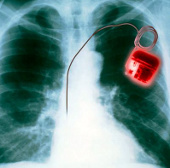
On 21 June, ICD transplantation took place in Thong Nhat HCMC Hospital (Implantable Cardioverter Defibrillator - Implantable cardioverter defibrillator) for Dang Thanh V…
The team at the Heart Institute of Montreal (Canada) has succeeded in first using cooling techniques for heart surgery for a woman with atrial fibrillation. This is a co…
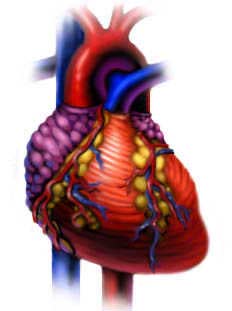
The normal functioning of the heart will be affected when one of the three components: heart muscle, heart valve, or nervous system is damaged. Injury to the cardiac ner…

One study found a link between diuretics and a reduction in sodium and potassium levels - two basic electrolytes. Low electrolytes can cause hypotension and arrhythmias.
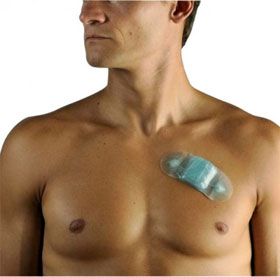
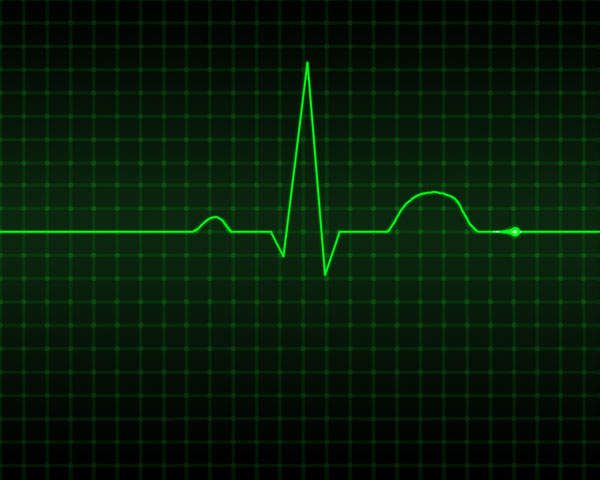
To monitor cardiac arrhythmias, a monitor and electrodes should be attached to the person through the conductor and should not be attached more than 24 hours.