Environment
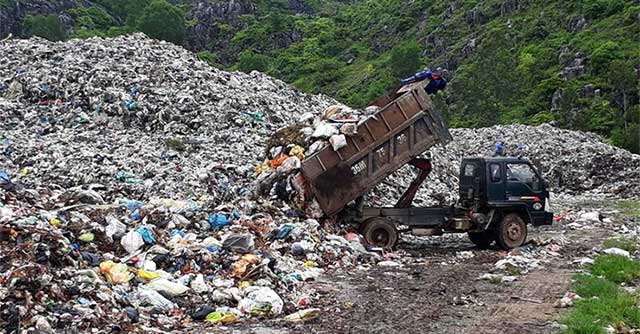
Landfills are destroying the Earth
Research shows that landfills are a much bigger contributor to climate change than we thought.
Browse ScienceInfo articles and explainers related to Atmosphere.
902 published items.
Research shows that landfills are a much bigger contributor to climate change than we thought.

The difference between waterproof and waterproof watches.

Japanese scientists have figured out how life on Mars could have emerged parallel to life on Earth.
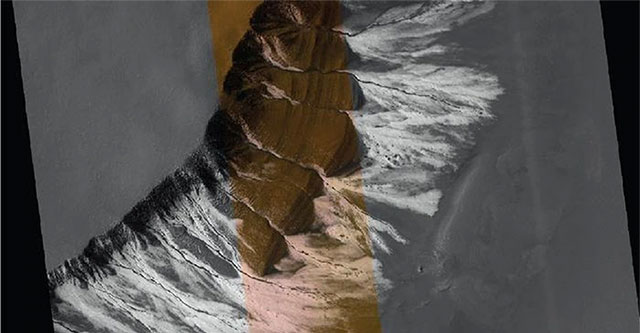
Mars today is just a dry desert. However, much geological evidence shows that water flowed across the surface of the Red Planet billions of years ago.
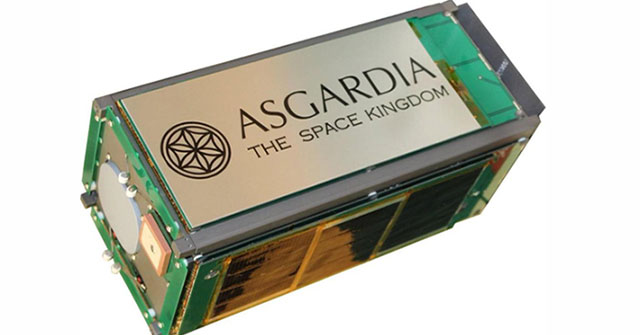
The Asgardia-1 satellite of the Asgardia space national project is gradually decreasing in altitude, possibly falling into the atmosphere and burning up around mid-Septe…
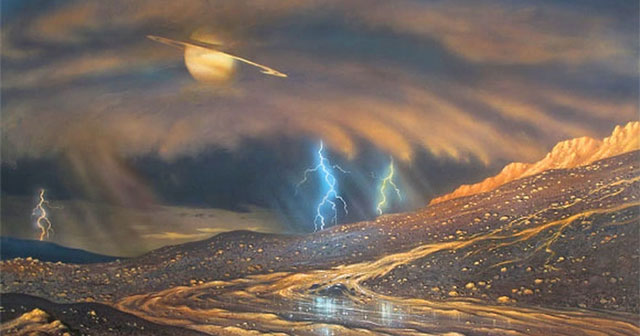
How does rain occur and what is the shape of the planets in the Solar System? Let's find out in the article below.
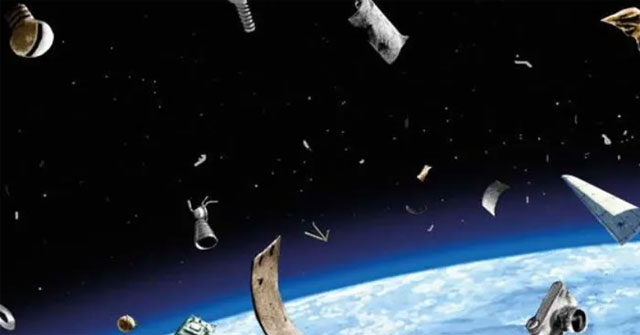
Although the possibility of bird droppings hitting your head is higher than the risk of space junk falling, it's not impossible, there have even been cases of injuries a…

Eunice Foote was the first to discover that carbon dioxide traps heat in the atmosphere.
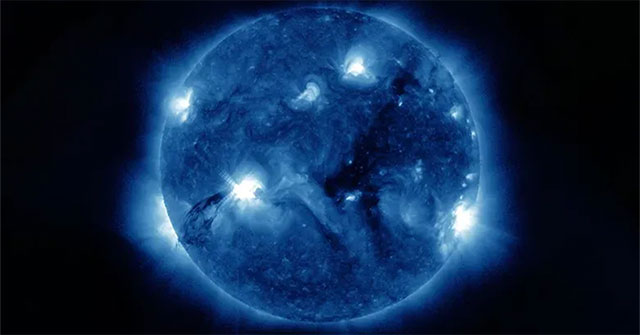
In theory, foreign matter is produced after a star dies. So what happens when a star dies?
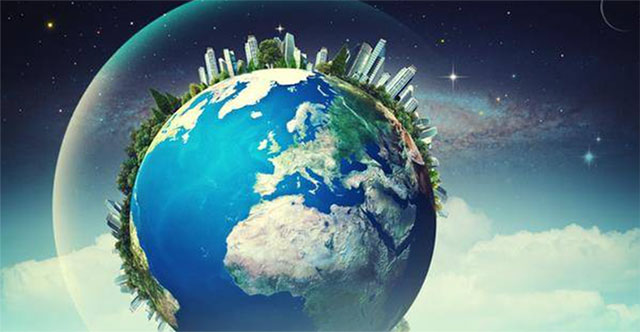
Humans and many other creatures are used to living in an atmosphere with an oxygen content of 20.9-21%. So what happens if oxygen levels rise or fall suddenly?
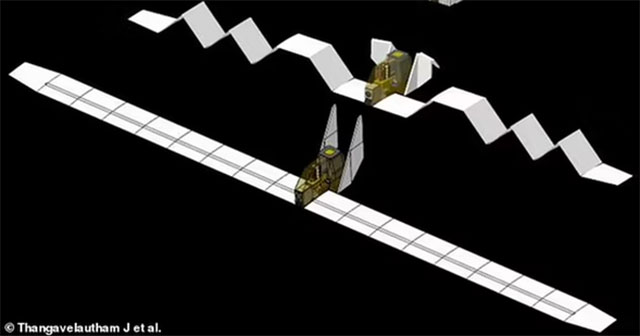
With a wingspan of 3.35 meters, this glider can operate continuously for days on the Red Planet.
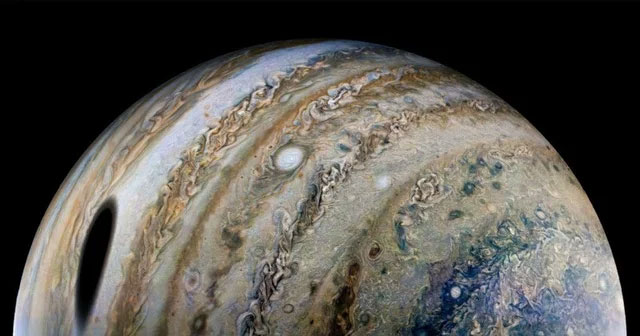
The team said that now they are in dire need of help from the public, because otherwise it would take them many years to be able to analyze all these images.

The Carrington Event of 1859 gave us a foretaste of just how dire the Sun was to humanity. But it could turn out to be worse than we imagined.
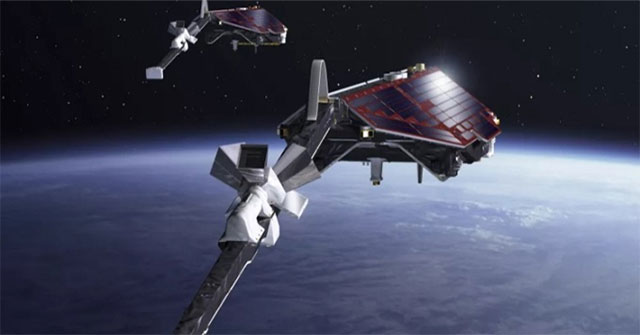
Experts fear the new solar cycle will cause satellites flying in low orbit around the Earth to run out of fuel and fall through the atmosphere faster.
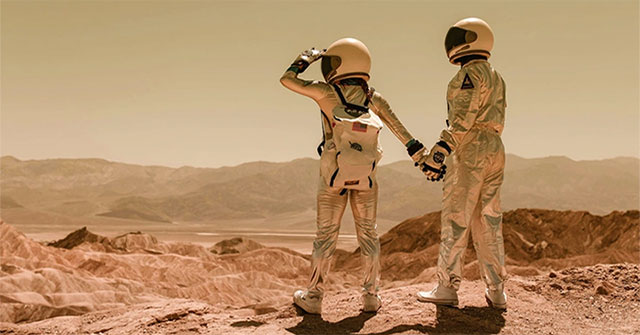
Humans would die of asphyxiation if they breathed on Mars without a spacesuit, but that could change in the future thanks to NASA's oxygen-making device.