Space science
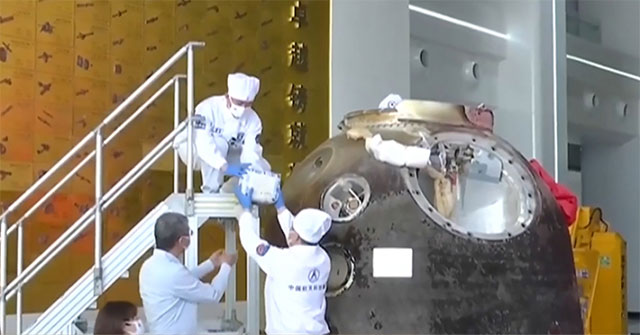
China is about to plant hybrid seeds in space
About 12,000 seeds brought back to Earth by the Shenzhou spacecraft from the Tiangong space station will be planted for research and breeding purposes.
Browse ScienceInfo articles and explainers related to Back.
1,228 published items.
About 12,000 seeds brought back to Earth by the Shenzhou spacecraft from the Tiangong space station will be planted for research and breeding purposes.
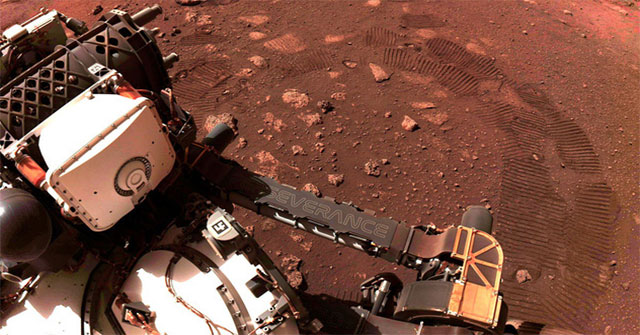
NASA is planning to bring rocks from Mars to Earth.
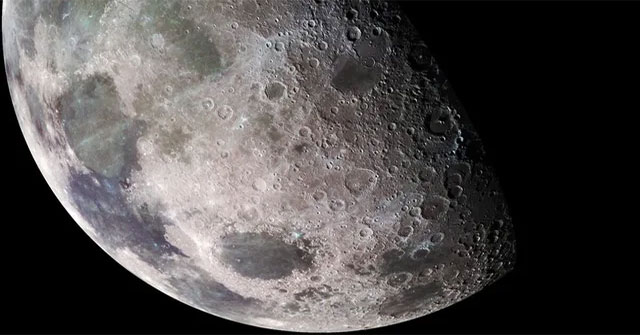
Over the past billions of years, Earth may have dumped about 3,500 cubic kilometers of water onto the Moon's poles.
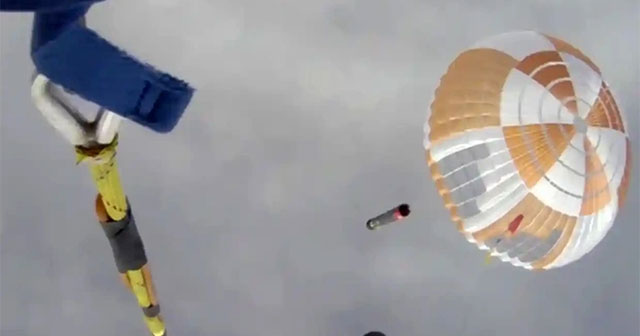
After launching the satellite into orbit, the first stage of the Electron rocket was captured by Rocket Lab - the US space company - using a helicopter when it was falli…

The origins of ice hockey can be traced back to the ball and stick games played in the Middle Ages or even Ancient Greece and Egypt.

The 33 precious zircon crystals, which look like extremely dark rubies, are time capsules that help reveal what happened on Earth 3.3 to 4.15 billion years ago.
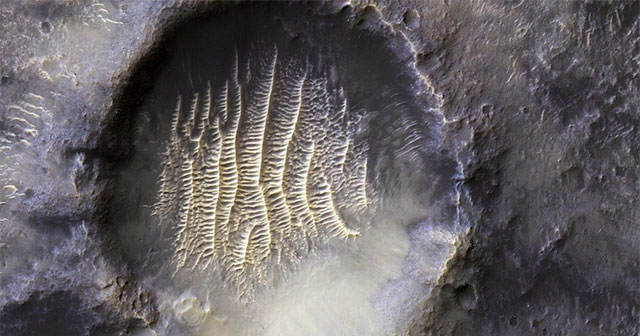
The image from another planet sent back by the Mars Reconnaissance orbiter looks exactly like a human fingerprint but is up to 0.5 km in diameter.

Chinese scientists have transformed human somatic cells back into pluripotent stem cells using chemical molecules.
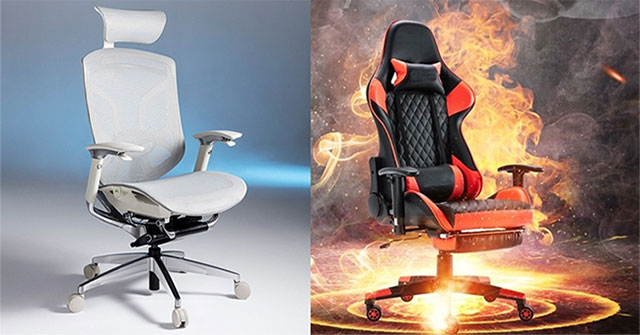
Society is increasingly developing and modern, so people need more and more items, tools and equipment to support all activities in daily life.
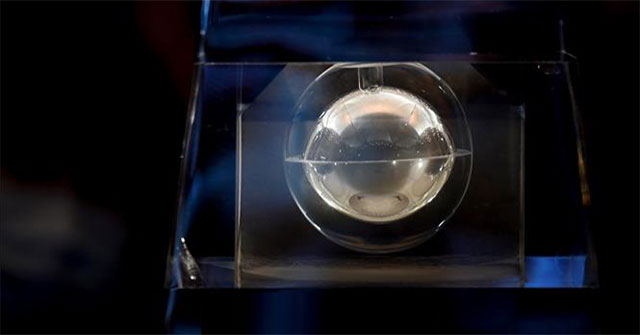
Samples from the Moon brought back by China's Chang'e-5 probe have helped researchers better understand the impact of latitude on space weather.
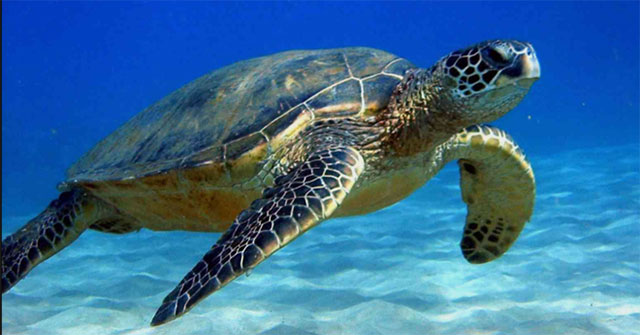
Turtles are a very strange reptile compared to other reptiles, especially in the carapace, so why do they have shells? How do they evolve?
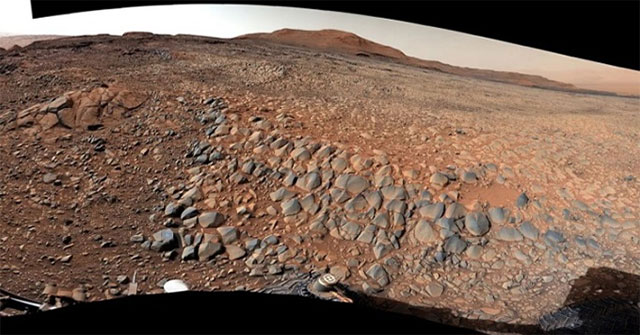
The rough rock with knife-sharp rocks on the red planet could threaten the Curiosity robot's wheels, forcing the vehicle to find another path.
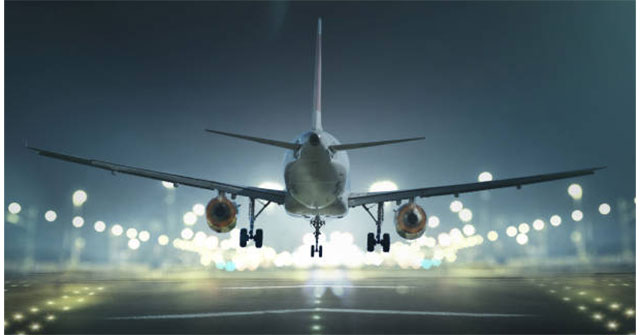
Vehicles are on the ground so we can brake it by borrowing the force of friction. However, to brake an airplane is a different story

China's Mars rover sends back to Earth a new selfie, showing a dusty surface and long rear wheel tracks.
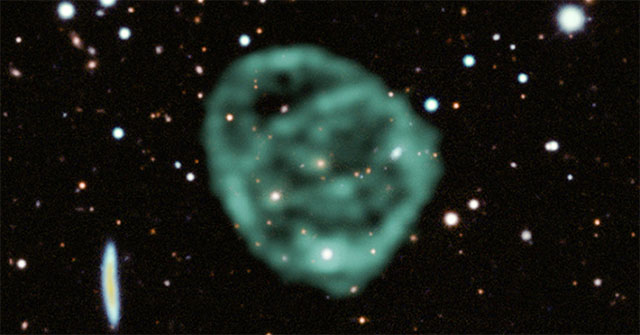
The MeerKAT Radio Telescope has sent back to Earth a stunning update of the mysterious radio circle known as ORC1.