
Discover science
New evidence of the benefits of breast milk
Swiss and Australian researchers have discovered breast milk proteins - not found in cow's milk - that are resistant to disease by eliminating bacteria, viruses and othe…
Browse ScienceInfo articles and explainers related to Bacteria.
1,661 published items.
Swiss and Australian researchers have discovered breast milk proteins - not found in cow's milk - that are resistant to disease by eliminating bacteria, viruses and othe…
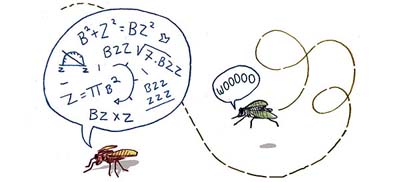
'Why are people so smart?' - this is a question that always appeals to scientists and evolutionary biologist Tadeusz Kawecki of the University of Friborg.

Some computer keyboards contain more harmful bacteria than a toilet seat. These beetles on these electronic devices can cause food poisoning.
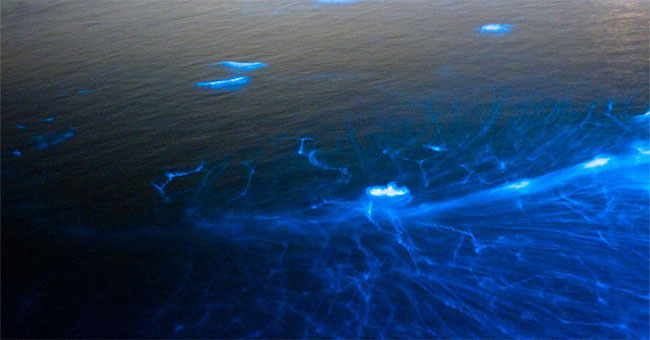
Many ancient sailors felt terrified when they saw the light of the title
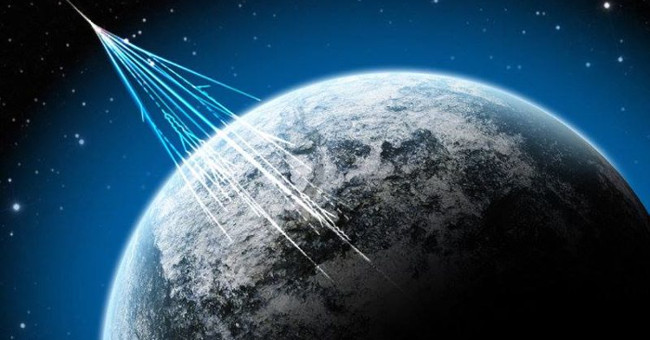
New research by the US scientist points out if there exist in planets like Mars, aliens can live by energy from cosmic rays.

If one day you accidentally come across this strange mucus, don't touch it and touch it. The reason why, just read it will know!

Using a laser device at the Gale crater on Mars, Curiosity autonomous robots discovered rocks containing manganese oxide, a compound that requires oxygen to be formed.
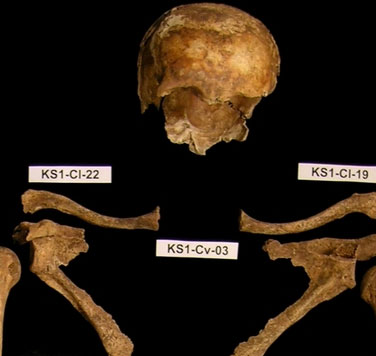
The mass grave of about 60 people discovered during the construction of a German university still contains many mysteries when there is little evidence of their identity…

Although the Egyptian Pyramid over 4,000 years of historical years still encompasses a mysterious veil, filled with mystical nuances.
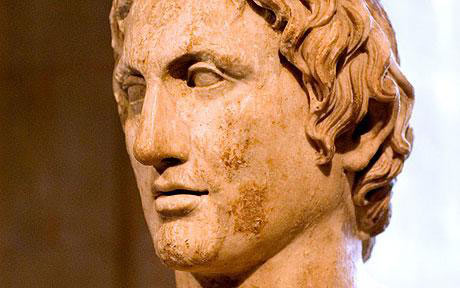
Recently, scientists have speculated that Alexander the Great was killed by a deadly bacterium in the Styx river.

Transparent like glass, tiny like bacteria are hypotheses about the shape of an extraterrestrial creature that the scientific community offers.
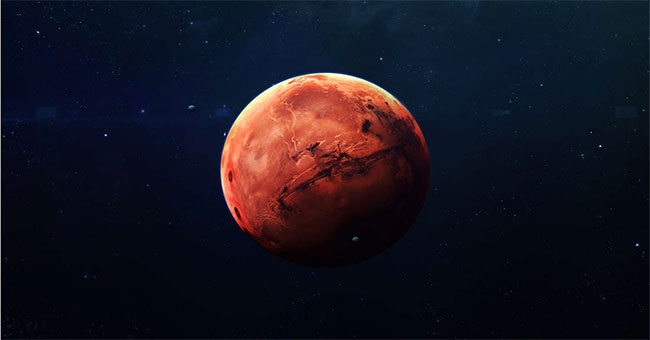
In some locations, oxygen is sufficient for multicellular organisms such as sponges to live. The study was published in the October issue of Nature Geosciences.
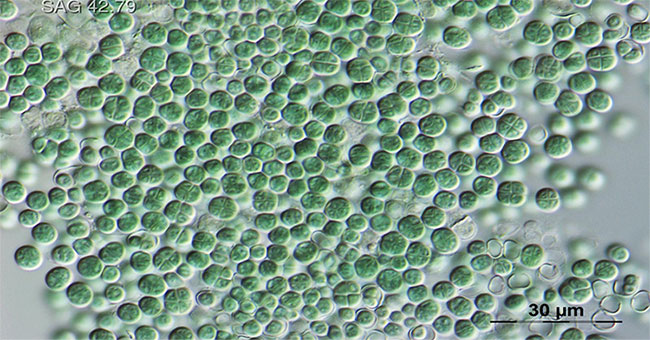
The new work shows at least one exotic bacterium called Chroococcidiopsis thermalis. They live in some of the harshest environments in the world.
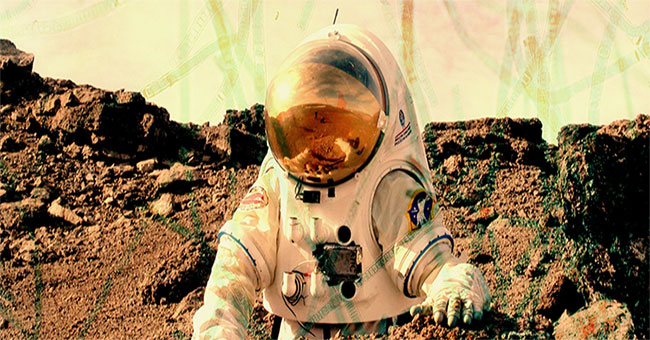
This bacterium has the ability to absorb carbon dioxide (CO2) and release oxygen in living environments
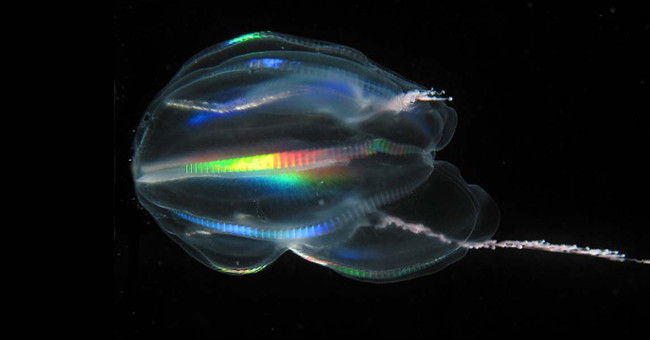
Bacteria are the first signs of life that appear on the green planet. But bacteria are not animals! So where is the first animal to appear?