Biology
Study how the bacteria communicate
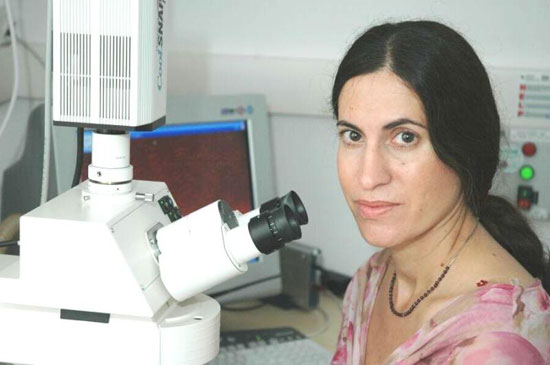
Researchers at the Hebrew University in Jerusalem, Israel, have discovered a way in which bacteria can communicate with each other through nanotubes.
Browse ScienceInfo articles and explainers related to Bacteria.
1,661 published items.
Researchers at the Hebrew University in Jerusalem, Israel, have discovered a way in which bacteria can communicate with each other through nanotubes.

The Center for Bioenergy (BESC) of the US Department of Energy has announced a new technological process in gasoline production to reduce dependence on imported oil.

US scientists have searched in the cow's gut that enzymes that make enzymes can break down hay into absorbable products.

Over the past 12 years, biologists from the University of Liverpool (UK) have studied a strange round worm that can discolor its host parasite into red to alert the enem…

Scientists from the Institute of Biotechnology have just completed the production process and the use of biological biocide nisin and enterocin P for application in pres…

Recently, US scientists have discovered a new method to expand the pharmaceutical features of some crops through genetic modification.
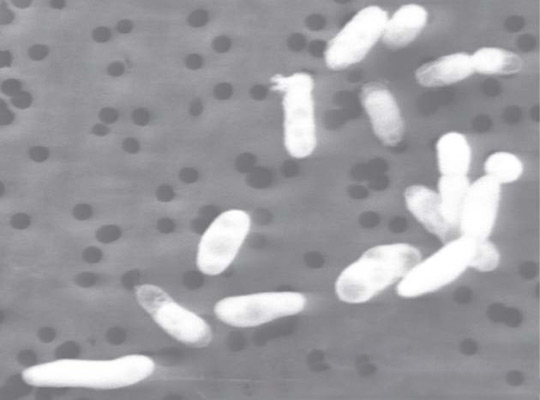
NASA scientists found that bacteria can live and thrive in arsenic - the most toxic substance on Earth.

A bacterium never seen before was discovered in the wreck of the Titanic deep in the ocean.

The most prestigious scientists in the world said that the strange bacterial culture experiment of the US Aerospace Agency (NASA) has made serious mistakes.
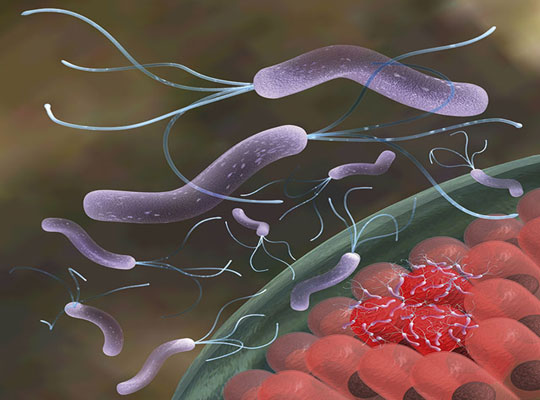
Japanese scientists have discovered that Helicobacter Pylori may play an important role in preventing bronchial asthma.

Scientists from Canada and Denmark have deciphered the bacterial immune system, helping to solve the problem of drug-resistant bacteria.
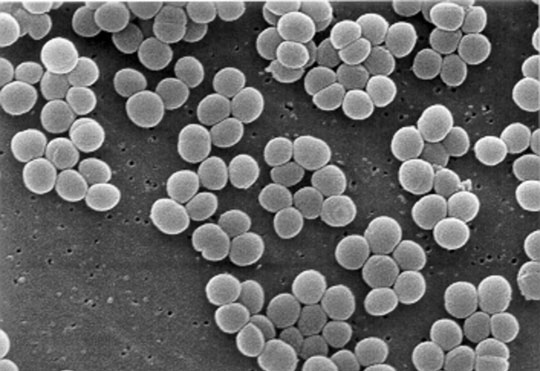
British scientists have just studied the new harmless toxic technology that can be carried out in disease rooms and 24/24 isolation rooms.
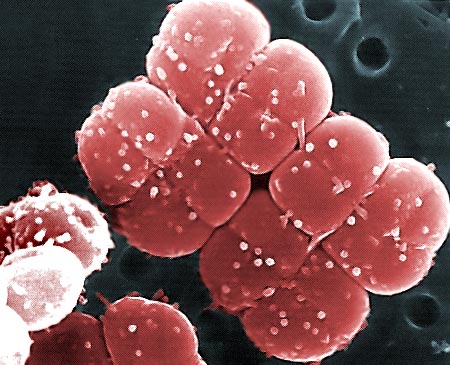
The species of radiation resistant bacteria has a nickname
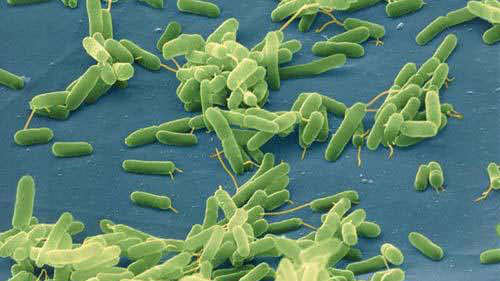
The thermophilic bacteria on the ocean floor of the Arctic Ocean may have slept for 100 million years to wait for

Japanese scientists have for the first time captured photographs of