
New technology
Smart device to help you reduce stress
These devices integrate with mobile phones, help detect and warn high levels of stress based on heart rate, respiratory, mood, posture and body temperature.
Browse ScienceInfo articles and explainers related to Breath.
413 published items.
These devices integrate with mobile phones, help detect and warn high levels of stress based on heart rate, respiratory, mood, posture and body temperature.
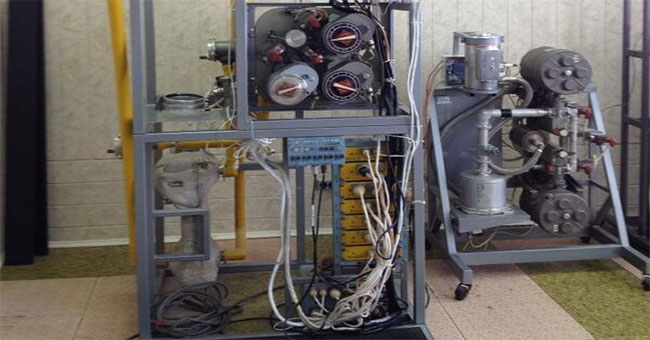
The new system made by Russian researchers can turn CO2 in space stations or spacecraft into methane and water.
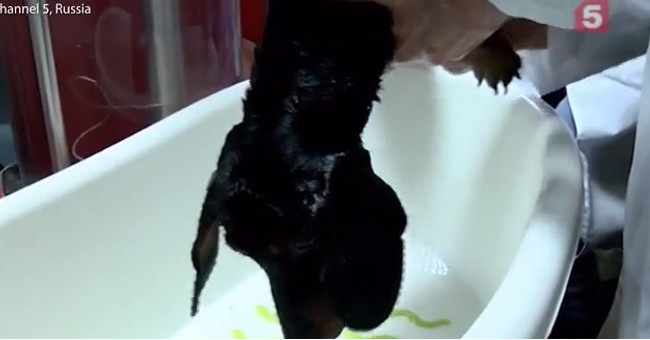
Humans and other airborne organisms often drown when there is too much water in the lungs, but Russian scientists have demonstrated that a dog can survive underwater.
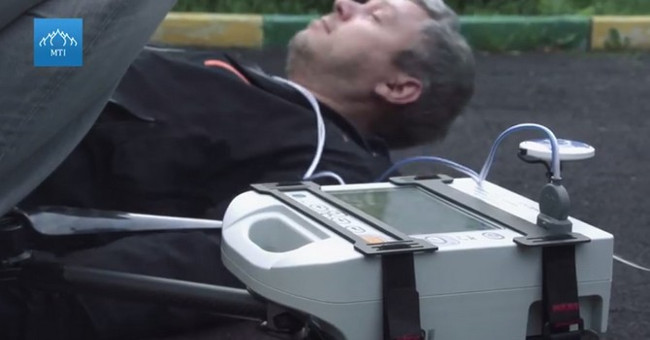
Drone is not just a video recording or transport device, it can also be an effective emergency device for users in many emergencies.
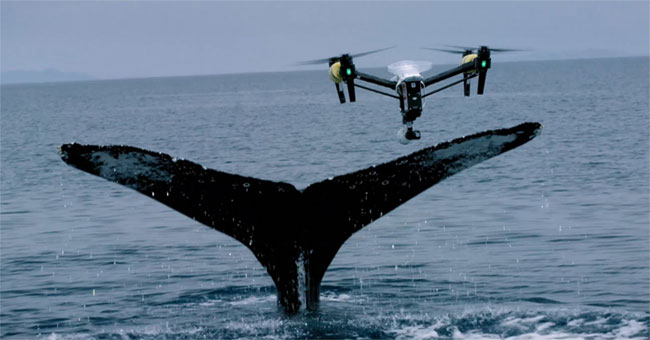
The scientists will use unmanned aerial vehicles to study whales from afar to limit their activity disturbed.
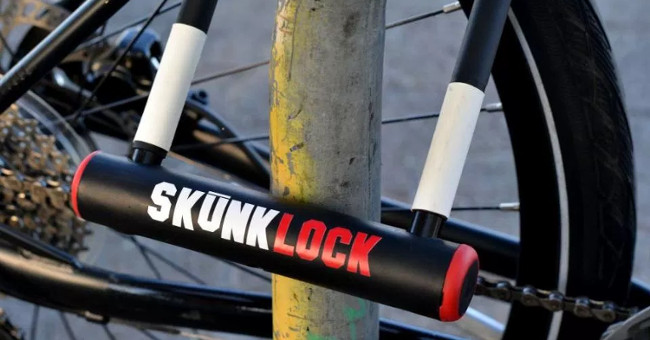
SkunkLock locks if dropped can spray the inside air into the thief, causing the object to have difficulty breathing and vomiting immediately.
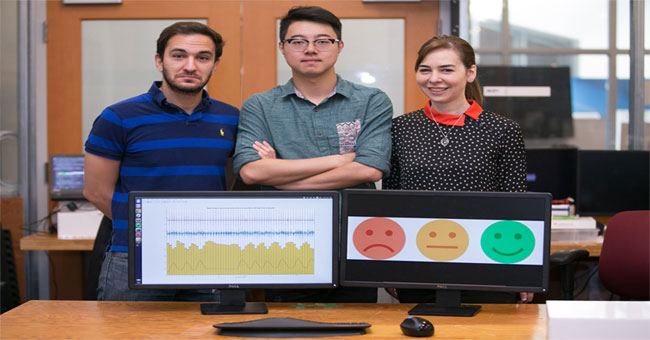
EQ-Radio can be based on heart rate and breathing to predict human emotions, opening up possibilities in many areas.
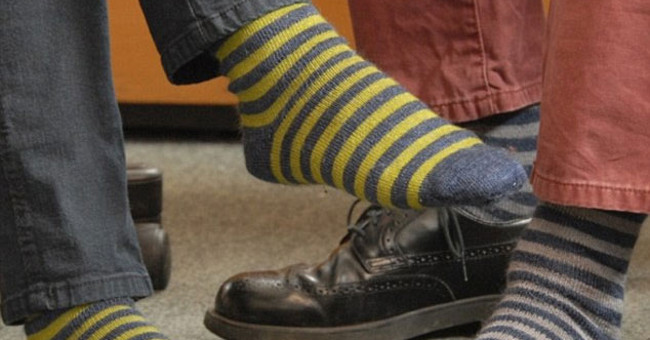
Hot sunshine is a nightmare for people who often wear shoes or have bad breath (bromodosis).
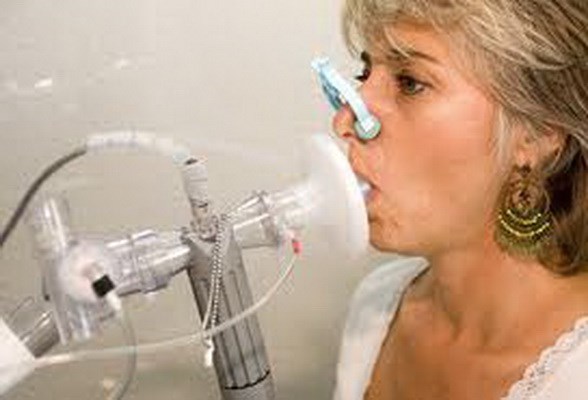
A type of nanotube designed to detect stomach cancer molecules through the breath also identifies lesions that can develop into this common disease.
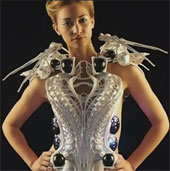
The sensor system on the smart shirt can measure breathing and protect the privacy of the wearer.

Astrakhan scientists propose a unique way to deal with snoring and sleep apnea.
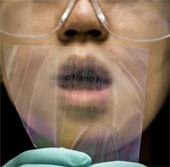
Anti-counterfeiting security technologies such as 3-dimensional virtual images are currently being used on money and product stamps can still be copied.
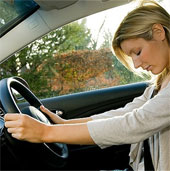
Spanish engineers designed seat belts to help regulate the driver's heart rate and signal them to wake up if the driver is in danger because of a drowsiness behind the s…
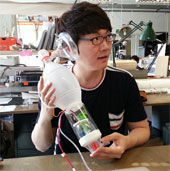
Today's technology is focusing on high definition, such as the Retina Display, the Ultra HD (or 4K) TV, and Hi-Fi audio systems.
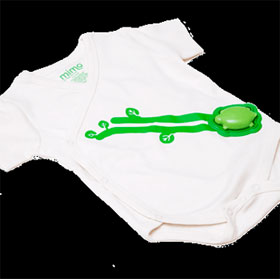
Couples without pedigree experience will be able to use a cell phone to learn about the health of their newborn.