
Flu epidemic
New study: More people are getting Covid-19 at home
South Korean epidemiologists have found that people are more likely to get Covid-19 from family members than from outsiders.
Browse ScienceInfo articles and explainers related to Case.
1,259 published items.
South Korean epidemiologists have found that people are more likely to get Covid-19 from family members than from outsiders.

Recovering relics from historical tragedies is not always easy, and such was the case with the salvage of the legendary Titanic.

A group of experts in Italy said that some genes may be factors that help special cases not get infected with nCoV even though they are in close contact with F0.

The Delta variant replicates rapidly in cells, infected people have a short incubation period, the virus is concentrated in the upper respiratory tract so it is easily s…

To date, there is no vaccine to prevent or cure Nipah virus infection. The disease has a mortality rate of about 70%.

The General Department of Preventive Medicine said it will coordinate with international organizations to assess the risk of disease outbreaks in Congo to propose approp…

None of us can say we are unaffected, in one way or another.

In 1994, the Tião dolphin, which frequently interacts with humans, attacked beachgoers in Brazil, killing one victim.

Recently, there have been many cases of poisoning related to Botulinum. However, many people still do not know how dangerous this toxin is and what foods it is often fou…

The HIV/AIDS epidemic is becoming more complicated, with the transmission pattern changing from blood-borne transmission in drug addicts to sexual transmission.

Statistically, most murders are quickly solved; 90% of missing people found alive or dead are found after some time.
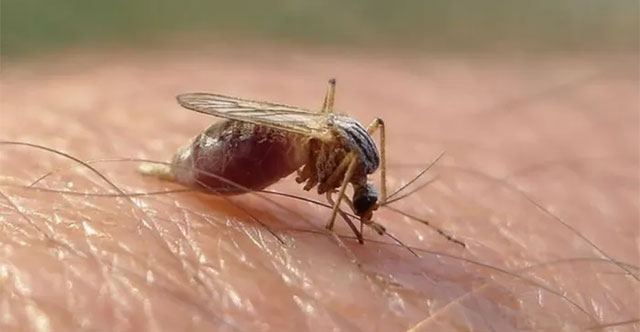
A seemingly harmless mosquito became an important witness, helping Finnish police track down the suspect in a mysterious car theft.

After the appearance of a case of avian influenza A(H5) after 8 years, this disease is receiving much attention and concern from the community.

Seasonal influenza caused by the A/H1N1 strain is an acute infectious disease that often develops more dangerously in people with chronic diseases.

Botulinum poisoning is usually diagnosed through analysis of stool and vomit samples and treated with antitoxin, antibiotics, or a ventilator.