World Heritage
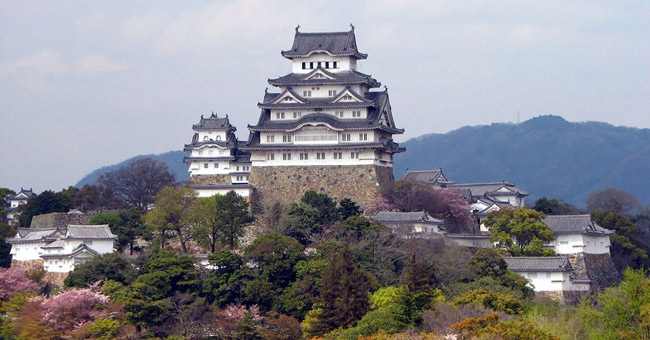
Himeji Castle - World Cultural Heritage in Japan
Unesco's Science, Education and Cultural Organization has recognized Japan's Himeji Castle as a World Cultural Heritage in 1993.
Browse ScienceInfo articles and explainers related to Castle.
140 published items.
Unesco's Science, Education and Cultural Organization has recognized Japan's Himeji Castle as a World Cultural Heritage in 1993.
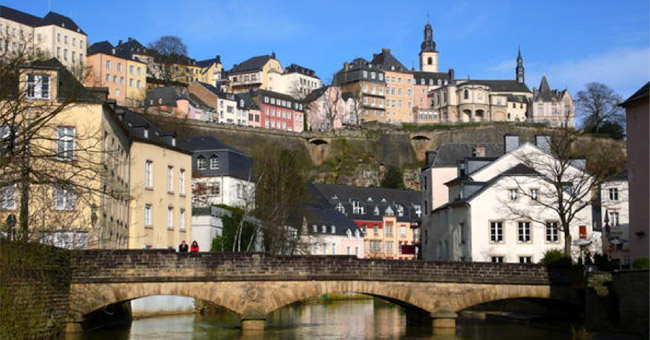
Unesco's Scientific, Educational and Cultural Organization has recognized Luxembourg City, Luxembourg's old and fortified towns, as a World Cultural Heritage in 1994.
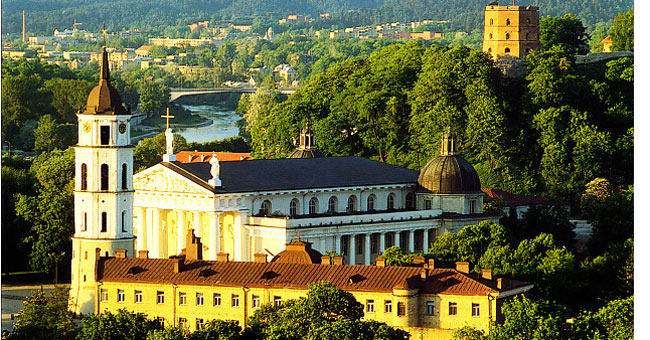
The Unesco Scientific, Educational and Cultural Organization has recognized Lithuania's Vilnius Calendar Center as a World Cultural Heritage in 1994.
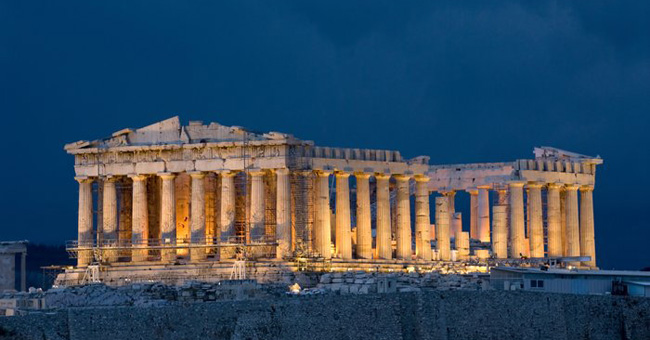
Unesco Scientific, Educational and Cultural Organization has recognized Acropolis Castle in Athens of Greece as a World Cultural Heritage in 1987.

Unesco's Scientific, Educational and Cultural Organization recognized the French Fontainebleau Castle as a World Cultural Heritage in 1981.

Unesco Scientific, Educational and Cultural Organization has recognized - Augustusburg Castle and Falkenlust Castle in Bruhl of Germany is the World Cultural Heritage in…
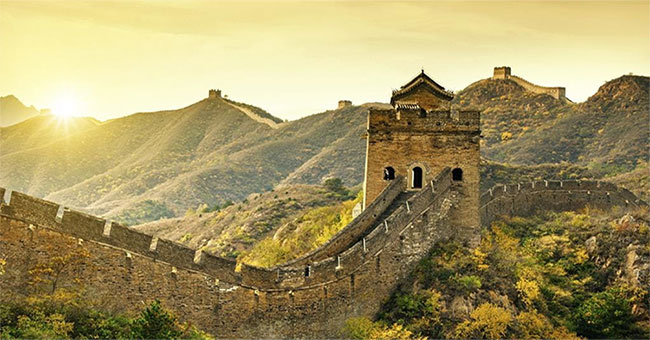
Unesco's Science, Education and Culture Organization has recognized China's Great Wall as a World Cultural Heritage in 1987.

The male fish of the cichlid species living in East Africa often build sand castles with many different shapes, to attract females and drive away those who intend to att…

Nine generals chessboards were found in the underground room connecting the castle on the Russian island to the nearby city of Vyborg.
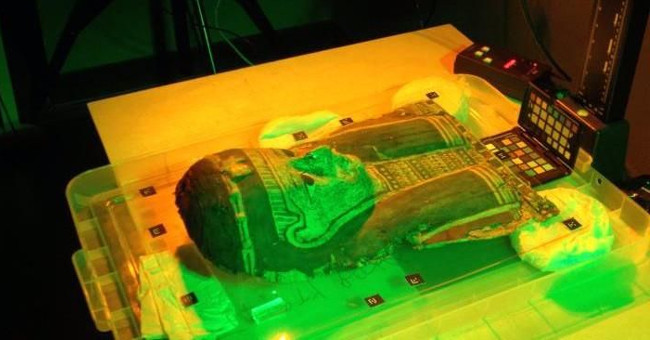
According to Daily Mail, researchers at the University of London (UCL) use a new scanning technique to identify Egyptian mummies, which are on display at Chiddington Cas…
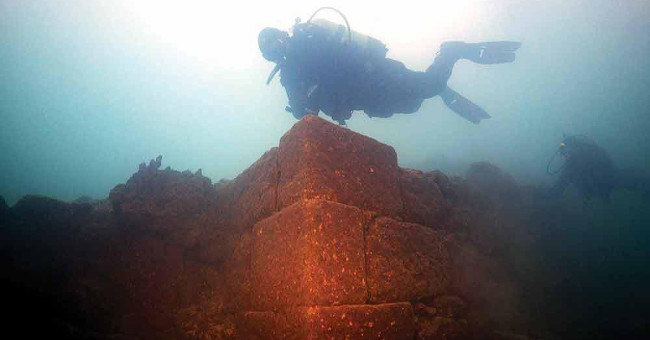
Divers discover the ruins of a 3,000-year-old castle hidden deep in the bottom of Lake Van, the largest lake in Turkey.
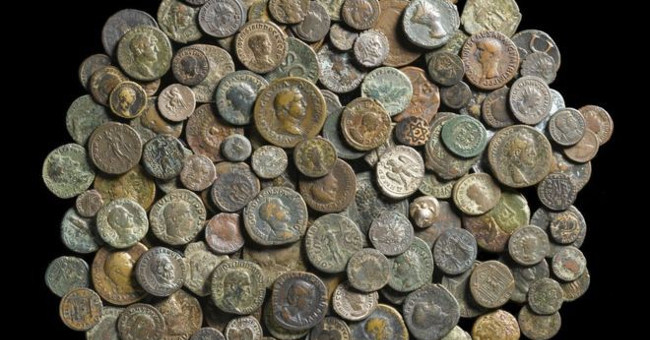
Accordingly, the treasure consists of nearly 200 ancient Roman and Greek coins dating back to 2,500 years found in a desk drawer at the ancient Scotney castle (England).
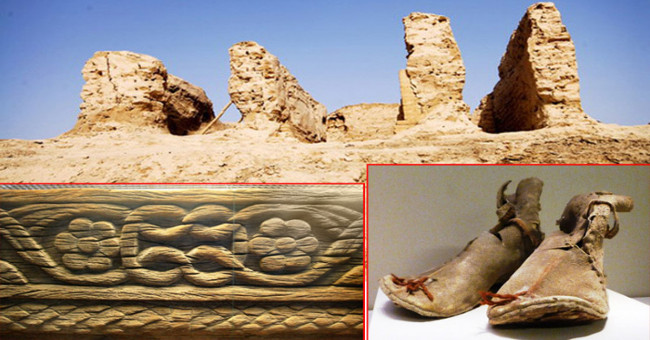
Archaeologists have discovered part of the ruins of the castle walls of the Lama kingdom in the northeastern La Bo area of Xinjiang autonomous region (northwest China).
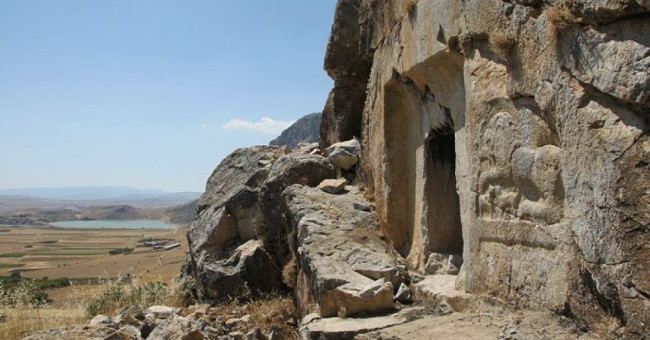
The nearly 2,000-year-old summer castle of the Roman emperor Marcus Aurelius left many traces on the mountains of Turkey.

On September 28, Japanese archaeologists said they first found ancient Roman coins in the ancient castle ruins on the southern island of Okinawa.