Science invention
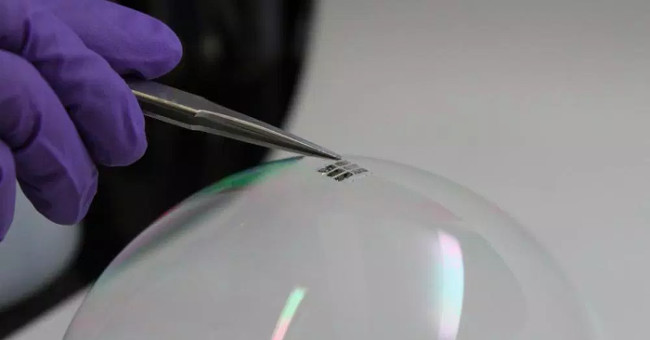
Solar cells are as light as soap bubbles
US scientists invented ultra-thin and ultra-light photovoltaic batteries, which can be placed on top of soap bubbles without breaking them.
Browse ScienceInfo articles and explainers related to Catalyst.
47 published items.
US scientists invented ultra-thin and ultra-light photovoltaic batteries, which can be placed on top of soap bubbles without breaking them.
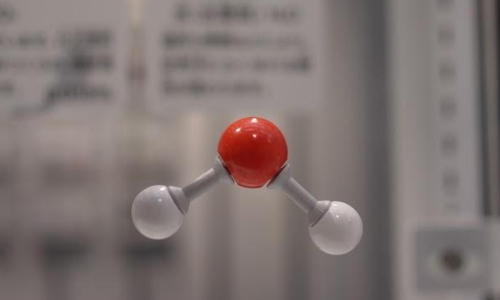
US scientists have successfully built a device capable of splitting water into oxygen and hydrogen continuously for 200 hours with just a cheap catalyst.
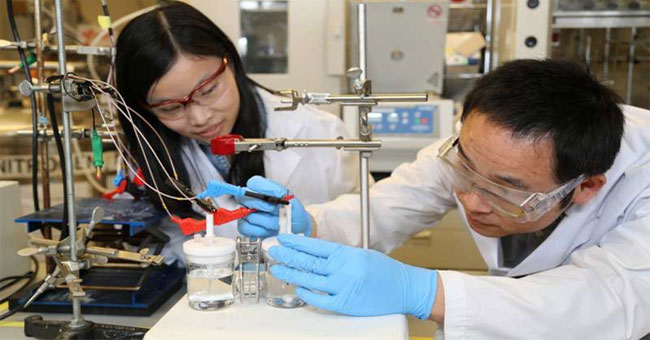
Researchers at U of T Engineering have taken a step closer to artificial photosynthesis when creating a new catalyst.
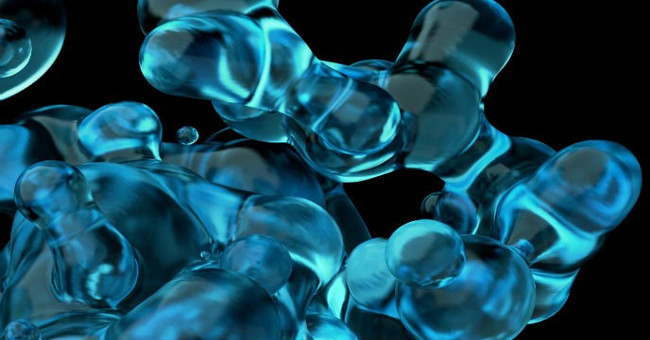
Scientists have found a new way to separate cheap and extremely efficient hydrogen and oxygen from water.
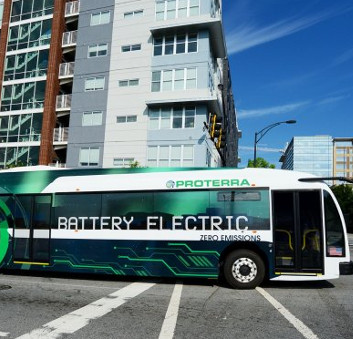
The Proterra Catalyst XR is the electric bus model, with 250 miles (402km) of travel time with only one charge.
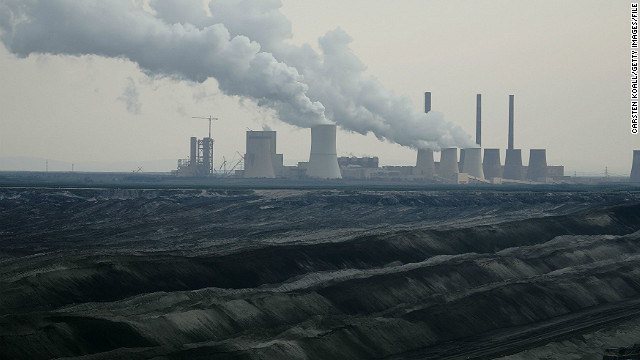
This is a great idea of a 'win-win' model because this process can both reduce the amount of CO2 in the atmosphere and produce environmentally friendly biofuels.
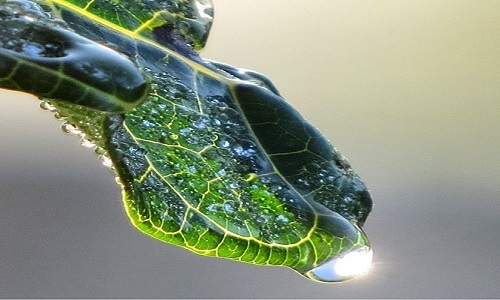
Australian scientists have successfully developed the technique
Researchers at the University of Wisconsin-Madison are developing techniques that use molecules as a catalyst for energy cells.
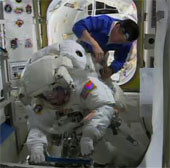
The goal of this research project is to create a fresh and pleasant atmosphere for astronauts.

Japanese inventors have announced a new technology to produce self-cleaning and scratch-free glass.
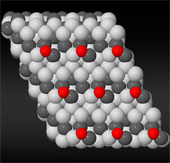
Recently scientists have discovered a new catalyst that can help produce clean methanol from carbon dioxide (CO2) at a low cost.
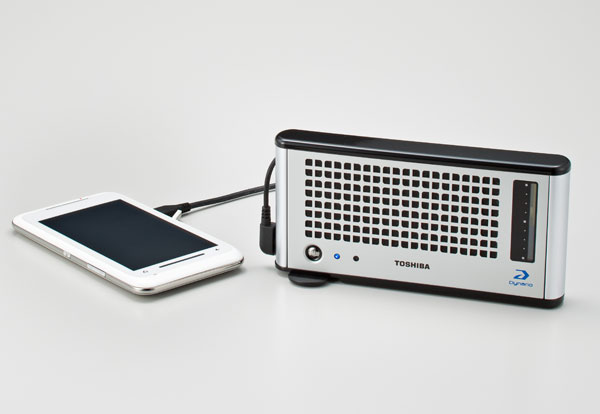
Researchers Singapore's Institute of Biotechnology and Nanotechnology (IBN) used a mixture of gold nanoparticles, copper and platinum to develop a high-energy and fuel c…
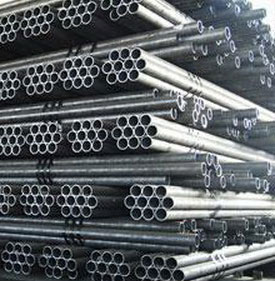
According to a team of Prof. Moshe Kol (Department of Chemistry at the University of Tel Aviv), they have uncovered unprecedented industrial plastics by using a new poly…
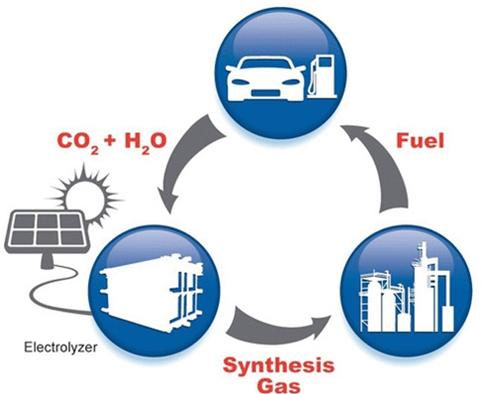
The team of scientists led by Paul Kenis, a professor of chemical and biological engineering at the University of Illinois, USA, teamed up with Dioxide Materials researc…

An engineer at Duke University has found a way to convert sunlight into electricity more efficiently than current technology.