
Scientific works
Build a factory to produce 13,700 tons of artificial meat per year
Good Meat Company will build a factory with 10 of the largest bioreactors in the world to grow meat, each with a capacity of 250,000 liters.
Browse ScienceInfo articles and explainers related to Cell.
3,353 published items.
Good Meat Company will build a factory with 10 of the largest bioreactors in the world to grow meat, each with a capacity of 250,000 liters.

MIT researchers have developed a new technique that will one day be able to 3D print wood from plants.
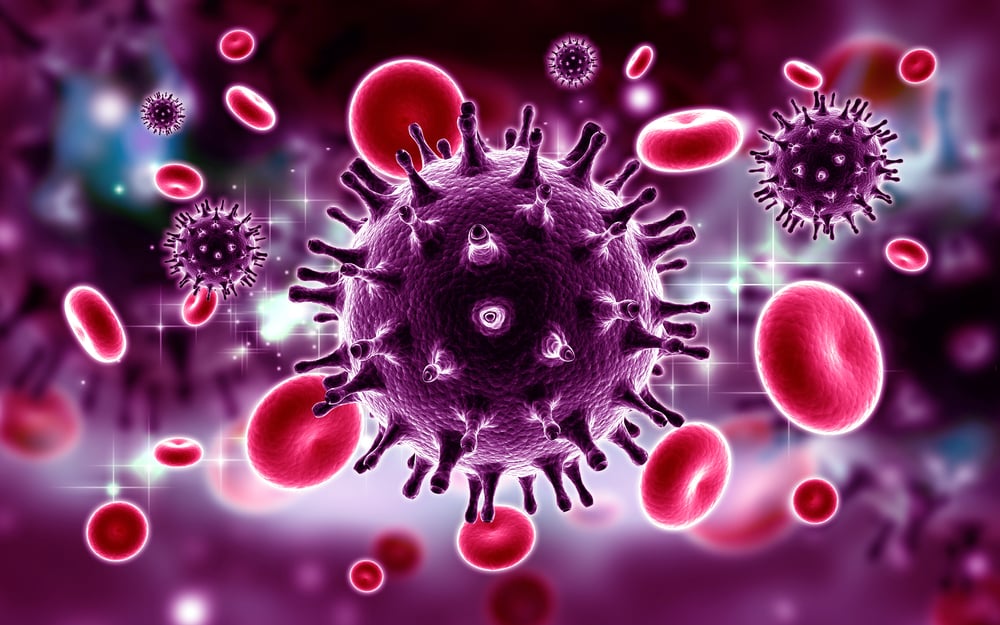
Recently, a team of experts from City of Hope Hospital in Los Angeles, California, one of the largest cancer research centers, injected the first patient with the CF33-h…
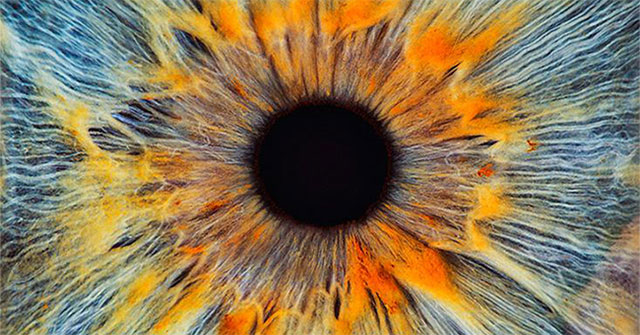
This will shake the definition of death, especially the process of brain death in the absence of oxygen that is thought to be irreversible.
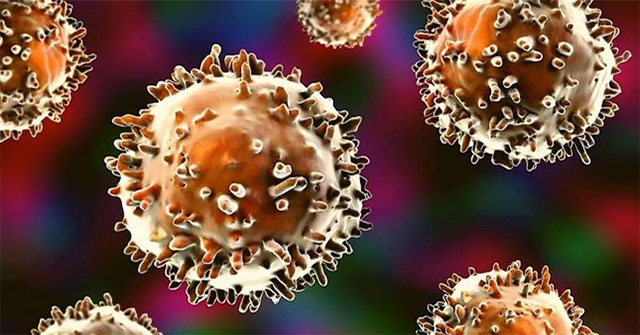
While working to map every cell in the human body, scientists discovered an elusive type of immune cell that first appeared in the womb.
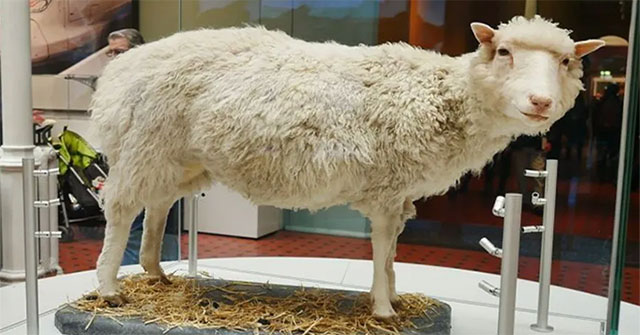
In 1996, Dolly the sheep caused a stir around the world after becoming the first mammal to be successfully cloned from an adult cell.

Gray hair is unsightly and a nuisance to many people. Therefore, many people, when they see gray hair, immediately pull it out. But will this damage your scalp?
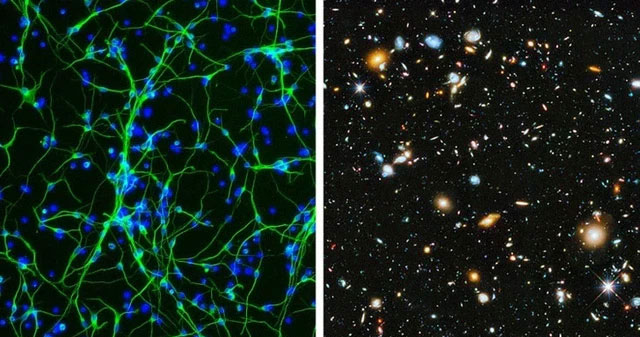
This picture of the tiny cells inside our bodies looks like a view of distant galaxies when viewed through a telescope.
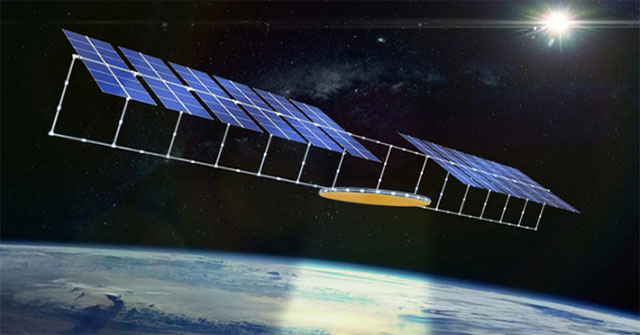
Solar power stations in space receive light continuously 24 hours a day but require high costs and high risk of failure.
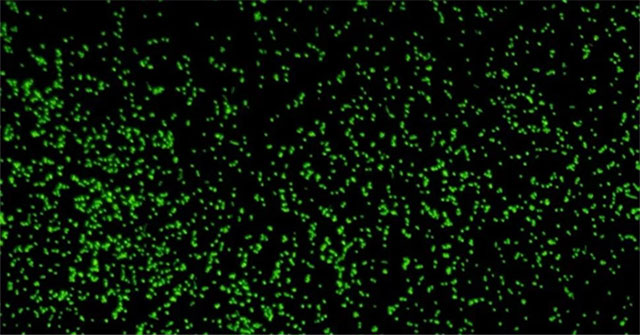
No one knew this single-celled organism could live so long. Despite the unimaginable living conditions, they still exist.
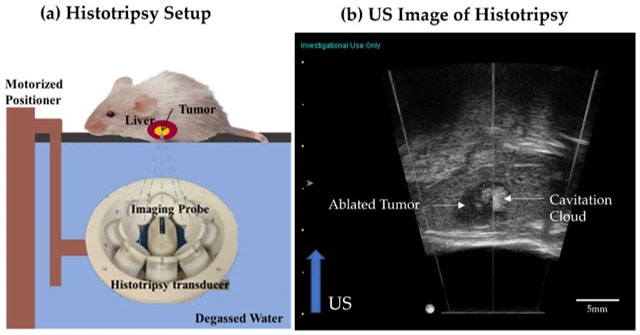
Sound waves will break down solid tumors into liquid form, so that immune cells can clean up and eliminate them.
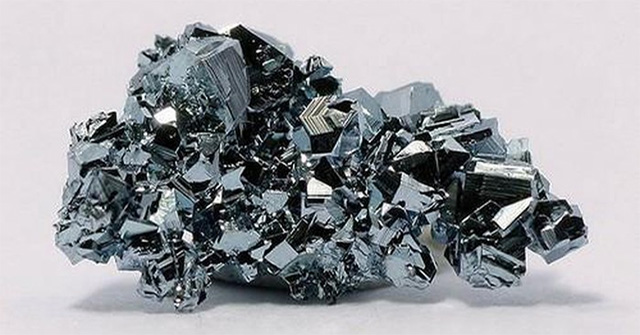
To create this unprecedented alloy, the researchers created an ionic-carrying solution of all eight metals in equal amounts and subjected the solution to a reducing agen…
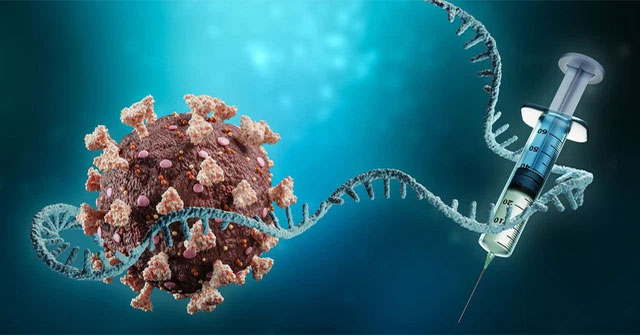
Genetic engineering similar to Pfizer-BioNTech and Moderna's COVID-19 vaccine could help treat heart attack patients.

One study explains why humans usually die around the age of 80, while other mammals live much shorter or longer lives.
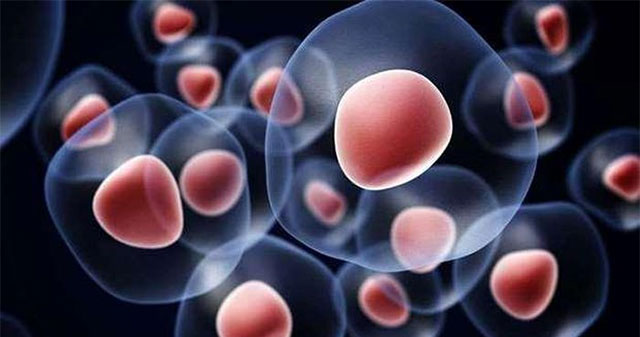
Chinese scientists have transformed human somatic cells back into pluripotent stem cells using chemical molecules.