
New technology
Socks create electricity from urine, used in emergency situations
A pair of socks (socks) uses microorganisms to produce urine from the urine that has been successfully produced by British scientists.
Browse ScienceInfo articles and explainers related to Cell.
3,353 published items.
A pair of socks (socks) uses microorganisms to produce urine from the urine that has been successfully produced by British scientists.
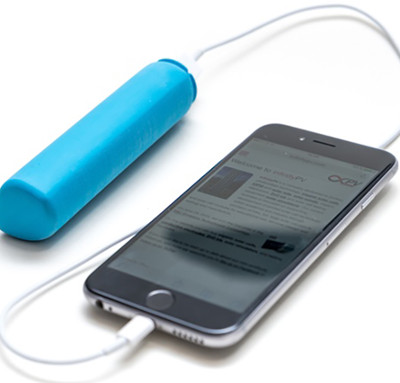
The HeLi-on is a compact cell battery (2,600mAh), and the most distinctive feature is that it comes with a rechargeable solar cell for self-charging.
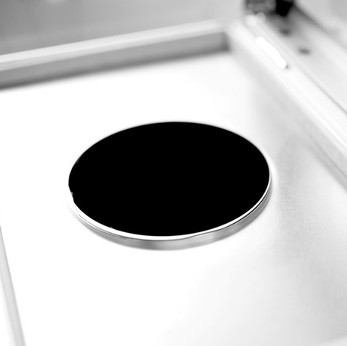
A team of scientists has created the darkest material ever, which can absorb most of the light and contribute to the improvement of solar cell technology.

Chinese scientists are developing a wall paint that can change color by weather or through an application on the phone.
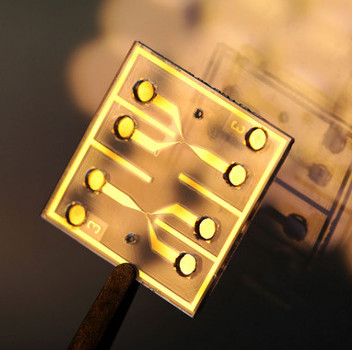
A team of students from the Technical University of Denmark has announced that they have successfully created a type of sensor that can detect bacteria in water almost i…
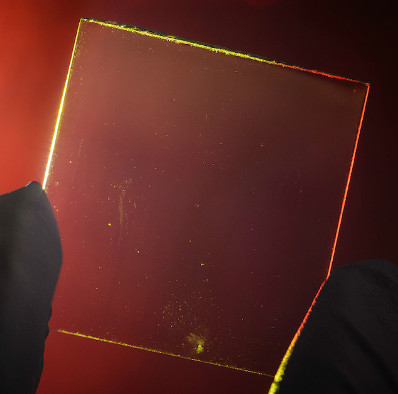
A team of researchers from the University of Michigan has successfully developed transparent photovoltaic panels.
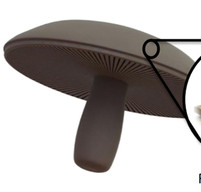
US scientists have discovered the new use of fungus in making super-durable batteries.
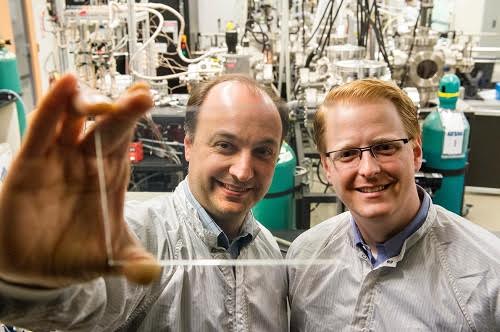
Ubiquitous Energy, based in Silicon Valley, is planning to produce a new type of transparent solar cell, covering the phone screen and windows in the future.
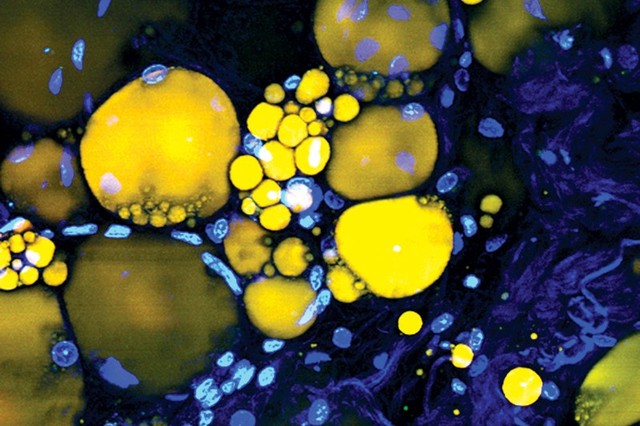
A team of researchers at Harvard Medical School has developed three different ways to turn individual cells into lasers that can emit light when stimulated.

With this particular design of the jeans, the owner of the phone will never have to worry about running out of battery.
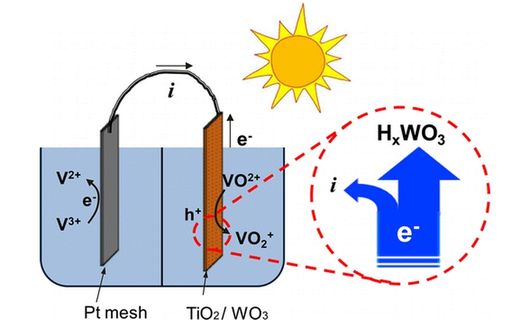
This will become an important source of clean energy in the future.
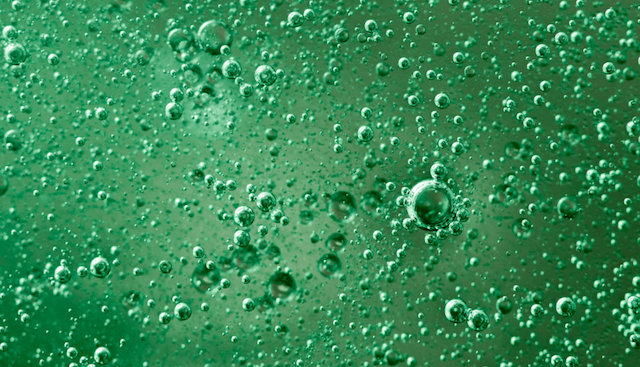
Researchers at the University of Wisconsin-Madison are developing techniques that use molecules as a catalyst for energy cells.
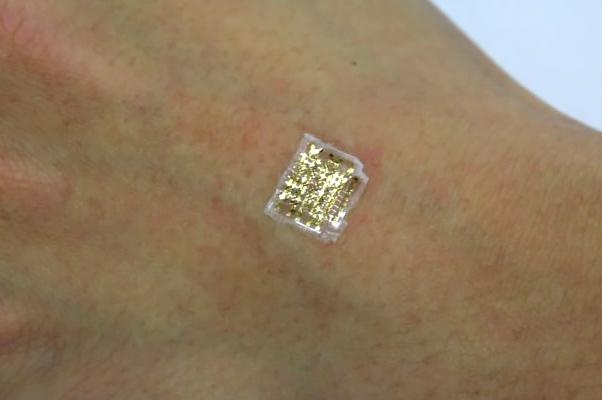
South Korean researchers are developing 3D printing technology that allows them to print smaller, cellular details.
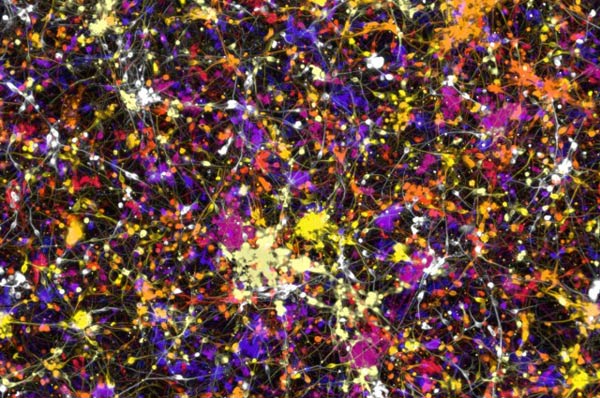
For the first time in medical history, McMaster University scientists can use adult blood cells and convert it into neurons (both central and peripheral).

The world has just had a good news when human sperm has been successfully cultured in a laboratory environment.