Oceanography
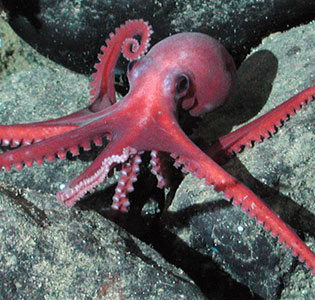
The strange anti-cold way of Antarctic octopus
A new study by scientists shows that in order to adapt to the glacial waters of Antarctica, the squid used a special way to change RNAs.
Browse ScienceInfo articles and explainers related to Cell.
3,353 published items.
A new study by scientists shows that in order to adapt to the glacial waters of Antarctica, the squid used a special way to change RNAs.
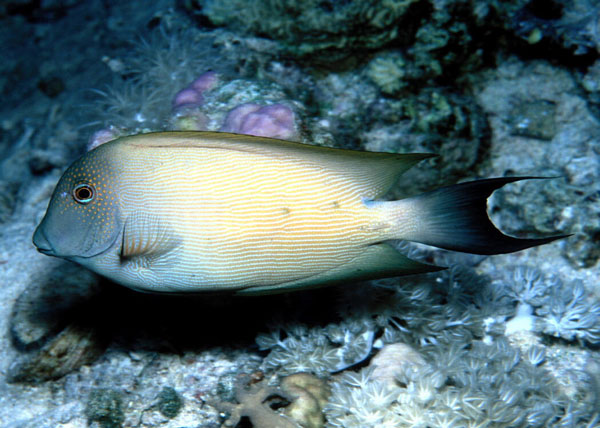
Life under the sea is also very pressure. Lucky dendritic fish when they have 'staff' massage helps them relieve nervous stress.
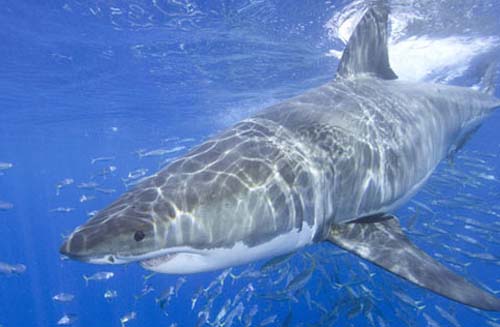
According to the latest research published in the German journal Naturwissenschaften, scientists found that sharks are unable to distinguish between colors.

American scientists have discovered the strange life cycle of a jellyfish whose scientific name is turritopsis nutricula.
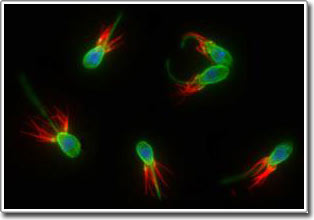
The newly established genome of a plankton, which consists of only one living sea cell, was published on Feb. 14 in Nature. This genome informs scientists about the evol…
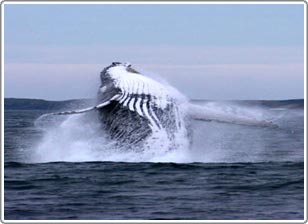
The hump on the whale's back has an amazingly complex brain, which raises questions about how these marine mammals have evolved. According to US researchers, the whale's…
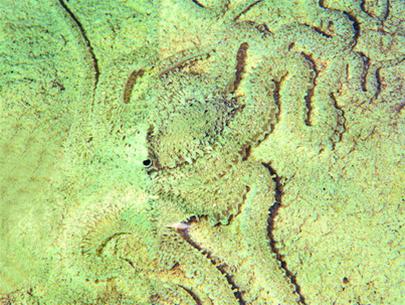
The ink changes color by shrinking or expanding colored cells, called Chromatophores. This species of squid has not been known to scientists yet.
Recently, scientists have caught the SNX 111, a carnivorous mollusk that has a poisonous stinger that paralyzes the prey. This toxin can be prepared into a pain reliever…
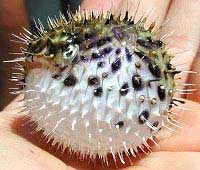
Research done at the Institute of Molecular, Cell Biology and National University of Singapore has shown how well this pufferfish can live despite the amount of dangerou…
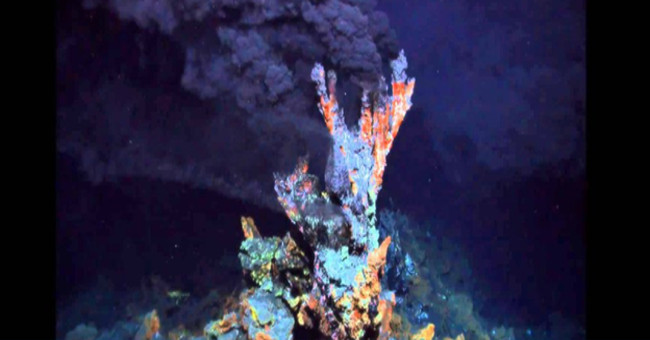
Since ancient times, there is only one form of life on earth - that is the most common common ancestor of all cells, or LUCA.
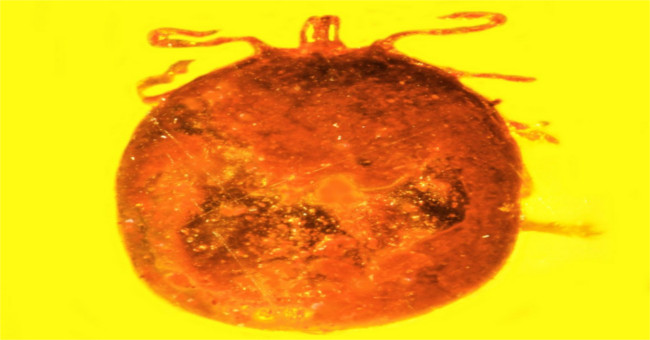
Fossils of a perfectly preserved monkey monkey round flea inside newly discovered amber in the Dominican Republic.
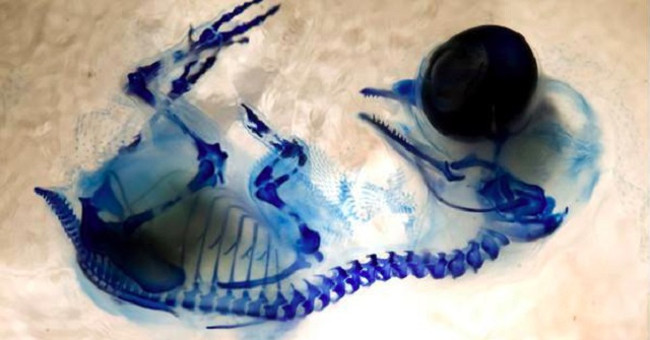
Finding embryos inside dinosaur eggs is a faster step with the creation of hybrid embryos between dinosaurs and chickens.

The nodules on a woman's skeleton contain

This embryo is not entirely a dinosaur but is actually a hybrid between T-Rex and chicken.
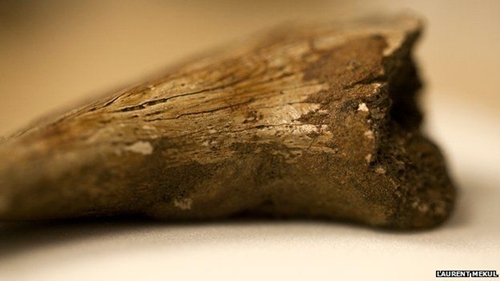
The scientists discovered residual traces of red blood cells and connective tissue in dinosaur fossil foundations of 75 million years old.