
Archeology
400-million-year-old fossil changes thinking about Fibonacci spiral
Plant fossils from more than 400 million years ago have irregular structures, unlike most plants today which follow the Fibonacci spiral.
Browse ScienceInfo articles and explainers related to Change.
3,238 published items.
Plant fossils from more than 400 million years ago have irregular structures, unlike most plants today which follow the Fibonacci spiral.
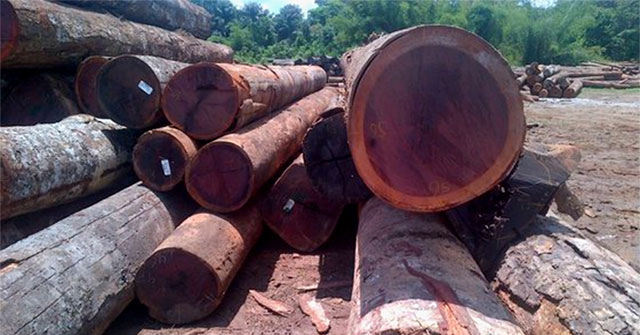
Thanks to its special properties, this type of wood is sold at a quite expensive price.

Climate change is accelerating the retreat of glaciers, forcing countries with glacier borders such as those in the Alps to adjust their maps.

New analysis of a green fireball from the Oort Cloud that landed in Canada in February 2021 could change a host of understandings about the formation of Earth and the en…

Scientists have compared the cooking method using an air fryer with traditional methods such as stir-frying, frying, boiling... and come to a surprising conclusion.

Scientists have just made a surprising new discovery: The Earth's inner core is not only changing its rotation speed, but may also be deforming.
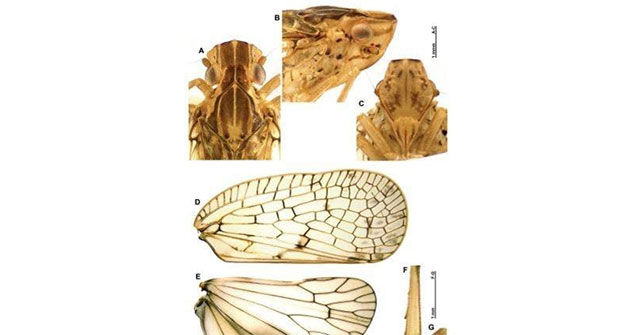
Recently, scientists at the Central Institute for Scientific Research under the Vietnam Museum of Nature discovered and recorded two new species of cicadas.

300,000 rats suddenly jumped off a cliff to commit mass suicide. This was a rare event that happened in 1994. So, what was the cause?

Climate change is making the Philippines more vulnerable to tropical storms, with rising temperatures making the country twice as likely to be hit by deadly storms.

China's artificial river project offers new hope for drought problems in developing countries.

A new method using real hailstones and CT scans has revealed how they grow.
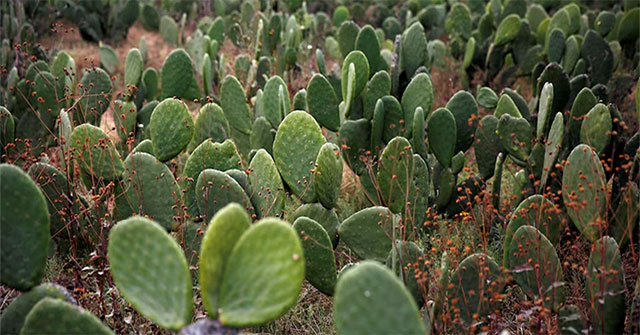
The story of the prickly pear cactus begins in the arid south of Italy, where agriculture is facing unprecedented challenges.
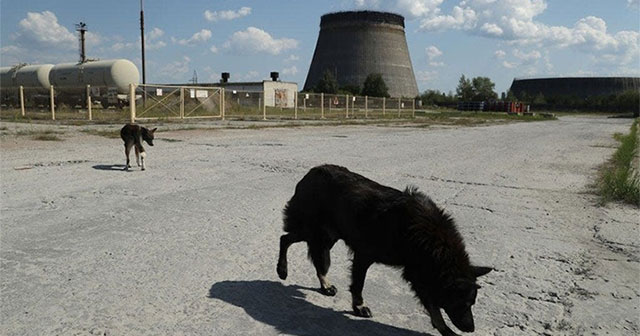
The 1986 Chernobyl nuclear disaster not only left serious consequences for the environment and human health but also became a

According to scientists, reindeer
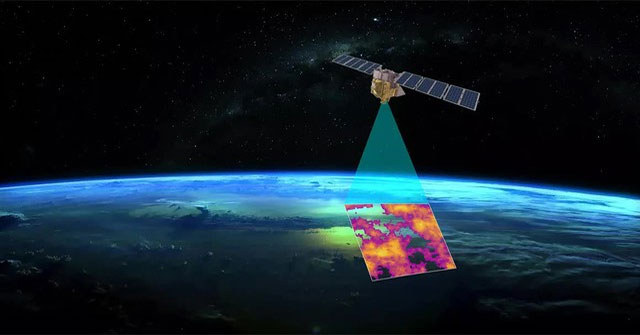
High above Earth, a satellite orbits the planet every day. It hunts for leaks of methane—an invisible, superpolluting gas that is dramatically warming the planet.