
Biology
Research on antidote for deadly cyanide poison
Scientists at the University of Minnesota are studying a drug that detoxifies cyanide. Experiments on mice have been successful and are expected to test humans within th…
Browse ScienceInfo articles and explainers related to Compound.
464 published items.
Scientists at the University of Minnesota are studying a drug that detoxifies cyanide. Experiments on mice have been successful and are expected to test humans within th…

Hydrogen sulphide, or H2S, is a rotten egg-smelling compound that has been successfully used by researchers at the Fred Hutchinson Center for Cancer Research to make the…
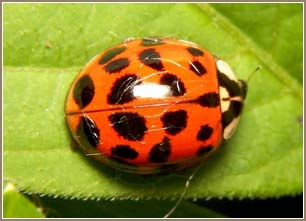
Ladybugs may look very beautiful but they also have 'dark' faces. In some places, these round-spotted insects are
A group of British scientists has developed a new group of molecules that can be joined together by a tight mechanical connection instead of being connected by chemical…

Plant hormones (hormones) such as ethylene, gibberelline, auxine, brassinosteroid, abscisic acid, cytokinine ... act at the molecular level and interfere with the regula…

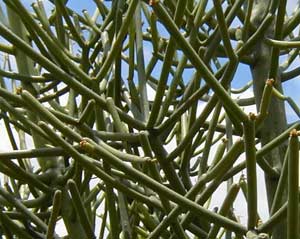
Shoots are a fancy tree, without leaves. In fact, it is not true that there are no leaves because the leaves are very small, they grow out immediately, rarely seen. Bran…
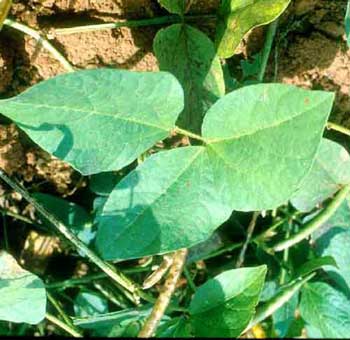
Scientists from the John Innes Center in the UK have succeeded in using the Vigna unguiculata virus to cause yellow and black spot disease in peas as a material in nanot…

Scientists discovered a tiny creature that could make real-life panic elephants, honey bees, according to Live Science.
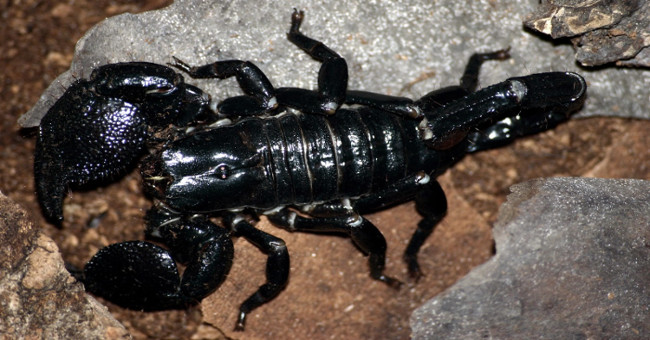
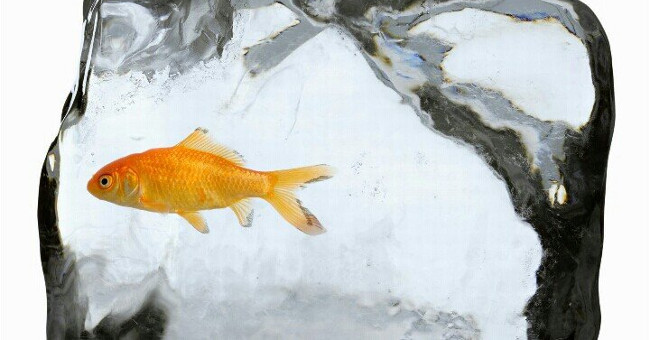
Scientists were amazed to discover that goldfish can survive in ice in natural conditions.
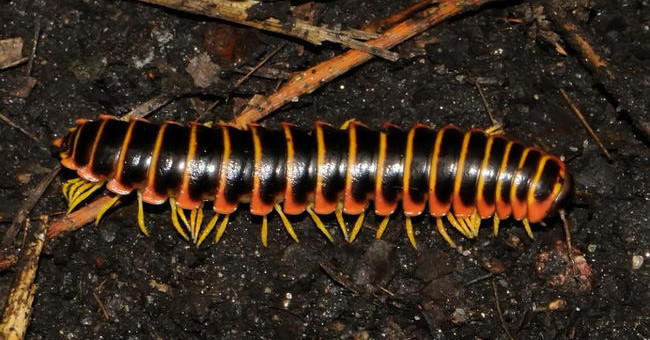
The scent released from this creature is as sweet as a sweet candy, making it difficult for your nose to distinguish the difference.
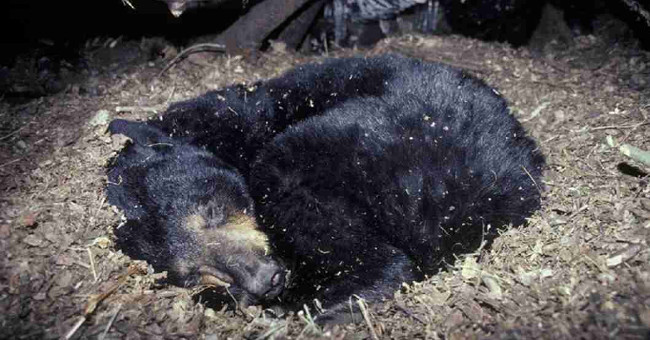
Some animals can still stumble into the road even when their body temperature is less than 0 degrees Celsius.

A recent study by a German science shows that pigeons rely on their ability to smell air to find their way to their whereabouts.
Any child knows not to eat the green part of a tomato, but to cut it off. The reason behind this is that those green parts contain secondary plant compounds that adverse…