Oceanography
How Does a Coral Reef Ecosystem Work?
A coral reef ecosystem is a network of corals, algae, fishes, invertebrates, microbes and physical processes that recycle energy and nutrients in nutrient-poor tropical…
Browse ScienceInfo articles and explainers related to Coral Reef.
80 published items.
A coral reef ecosystem is a network of corals, algae, fishes, invertebrates, microbes and physical processes that recycle energy and nutrients in nutrient-poor tropical…
Coral reefs matter because their physical structure and biological productivity support diverse marine communities and provide services to people. Their value is ecologi…
Coral bleaching happens when stressed corals lose or expel much of the symbiotic algae living in their tissues. Because those algae provide color and a major share of th…
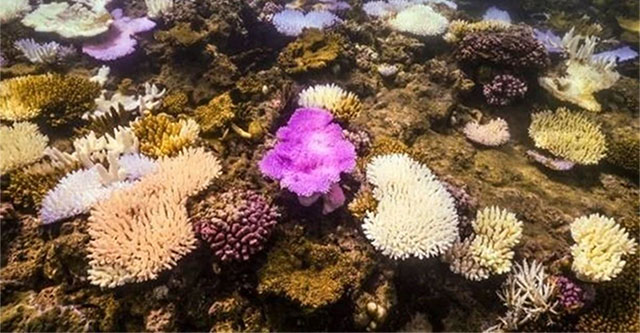
At 34m wide and 32m long, the newly discovered coral reef in the Pacific Ocean is three times larger than the previous record holder, Big Momma Reef in American Samoa.
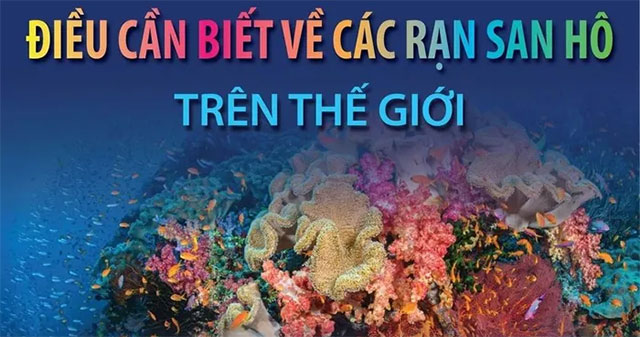
Coral reefs are biological structures built mainly by colonies of tiny coral animals that secrete calcium carbonate skeletons. Over many generations, those skeletons acc…
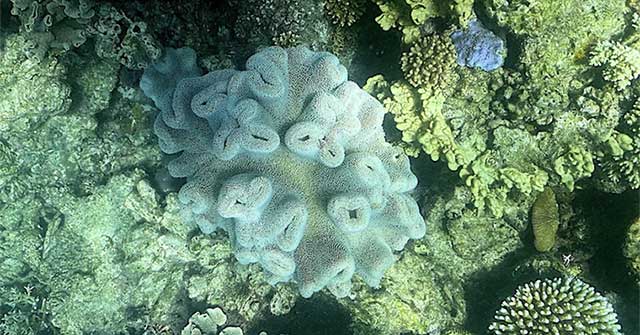
Scientists confirmed the new bleaching episode after conducting an aerial survey of 300 'shallow' coral reefs as sea temperatures threaten the habitat of thousands of ma…
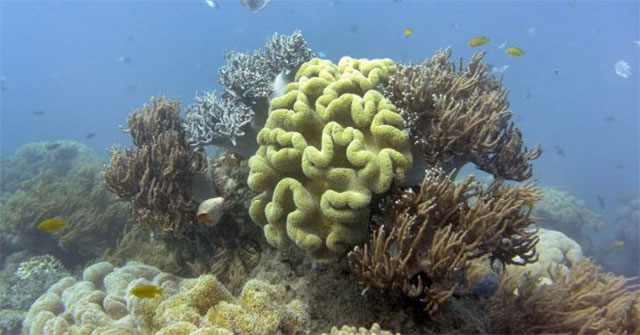
According to a new Australian Government monitoring report, a prolonged summer heatwave in Australia left 91% of the Great Barrier Reef (GBR) damaged by bleaching.
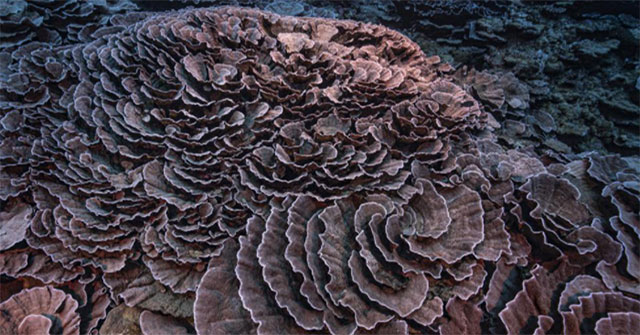
Scientists have discovered a rare, pristine coral reef shaped like a rose, and seemingly untouched by climate change or human activities.
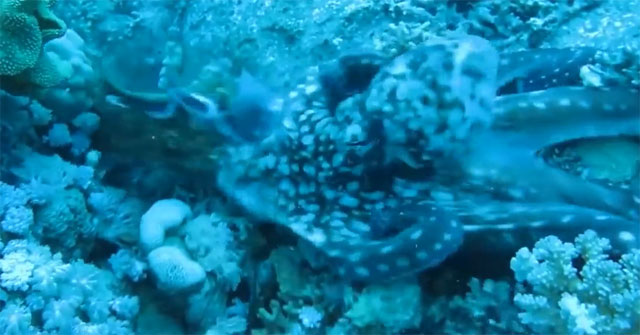
An octopus has discovered a hunter lurking under the rocks of the reef.
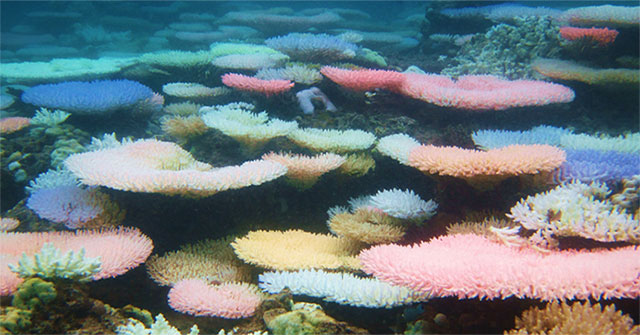
Instead of bleaching, some corals tend to change color as ocean temperatures fluctuate. This is a recent mystery that scientists have found out.
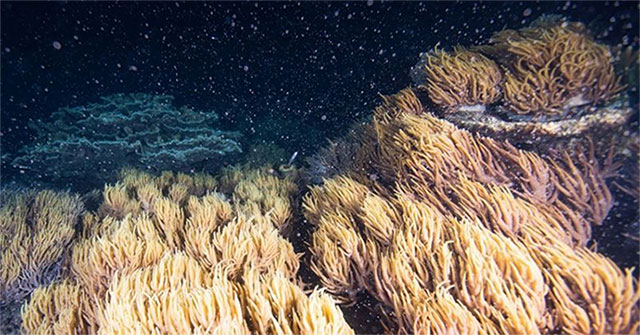
Finding ways to help coral reefs in the world recover from the devastating effects of climate change has created some recent radical solutions.
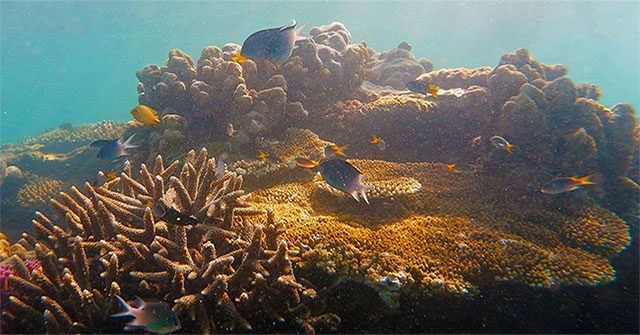
The Great Barrier Reef in Australia, the world's largest coral reef, has entered the breeding season in 2019.
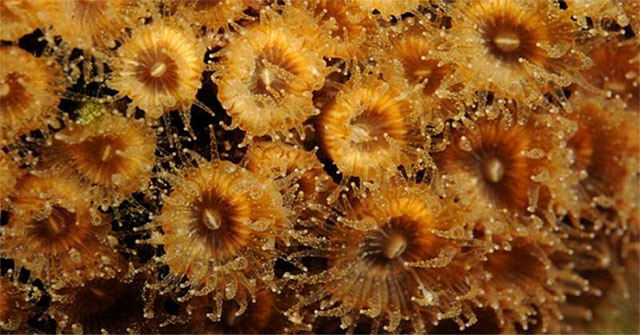
Dead corals have recovered, opening a glimmer of hope for marine species threatened by climate change in this world.
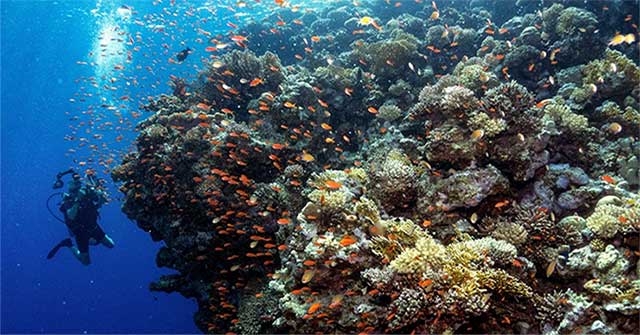
Australian scientists have discovered that undersea heat waves affect coral reefs more than humans have ever known.
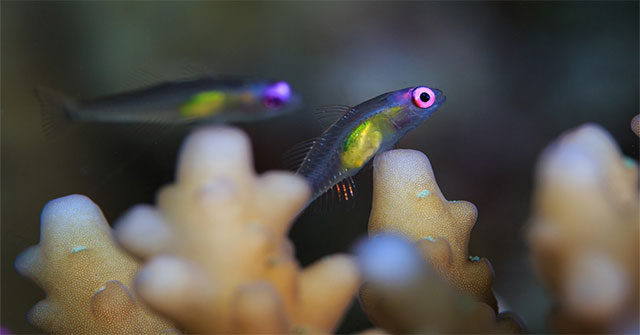
The smallest vertebrate aquatic species - cryptobenthic fish - though less than 2cm long but plays the most important role in the coral region's ecosystem.