
Scientific application
Ancient farming methods open up the potential for farming on Mars
An ancient farming method developed by farmers of the ancient Mayan civilization may have laid the foundations for agriculture on Mars.
Browse ScienceInfo articles and explainers related to Crop.
345 published items.
An ancient farming method developed by farmers of the ancient Mayan civilization may have laid the foundations for agriculture on Mars.

Research on plant growth is one of three experiments that Artemis 3 Program astronauts plan to deploy on the Moon.

Chinese researchers have revealed how plants assemble rhizosphere microorganisms through mechanisms
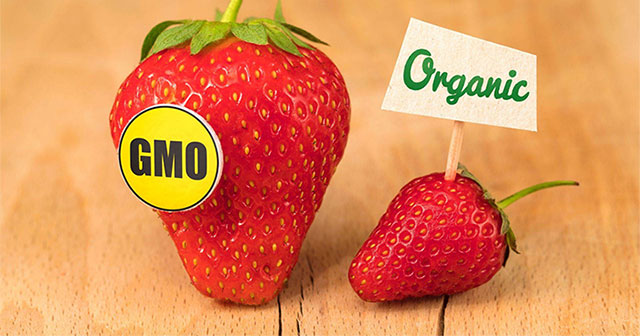
All over the world, people regularly produce genetically modified soybeans, corn, cotton, alfalfa, canola, apples, papayas, potatoes, summer squash, and sugar beets.

Biochar has been researched a lot on its mechanism of reducing heavy metal concentrations in water and soil.
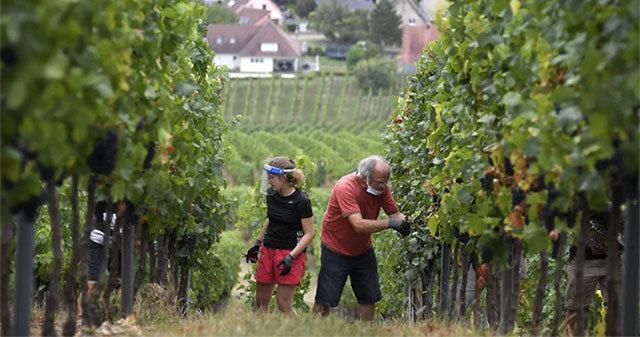
The expansion of organic farmland may lead to greater pesticide use on surrounding conventional fields, reducing some of the environmental benefits.

How will nuclear conflict affect humanity and the planet? If you survived a nuclear explosion, what would happen to you next?
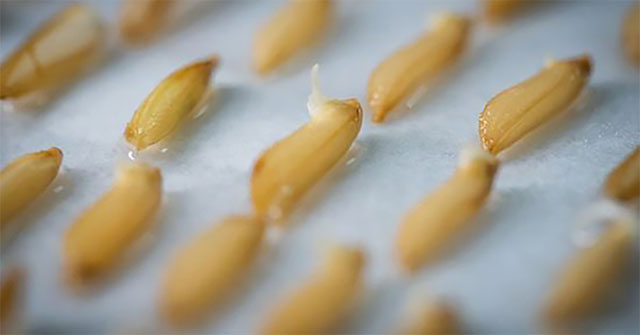
Many experiments on breeding plants and mutant microorganisms on the space station are carried out by China to create superior strains.
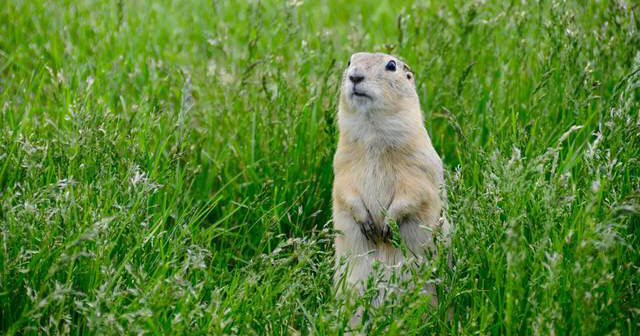
You may not know, many animals also know how to farm. This is proof that animals are evolving day by day.
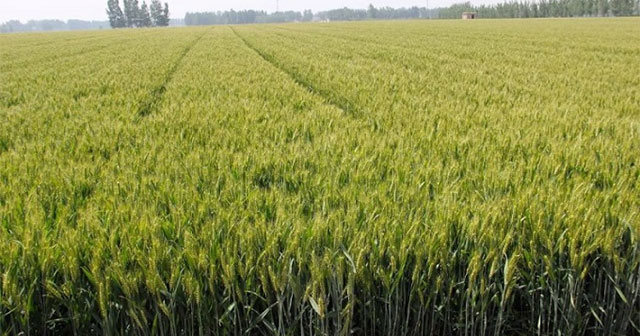
Wheat, rice, corn, soybeans... are sent into space in short flights to help scientists develop new high-yielding and disease-resistant varieties.
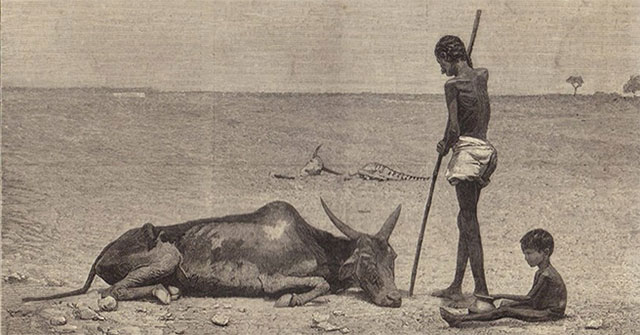
Throughout history, there have been many famines, many of which occurred in the 20th century, destroying the lives of communities across continents.
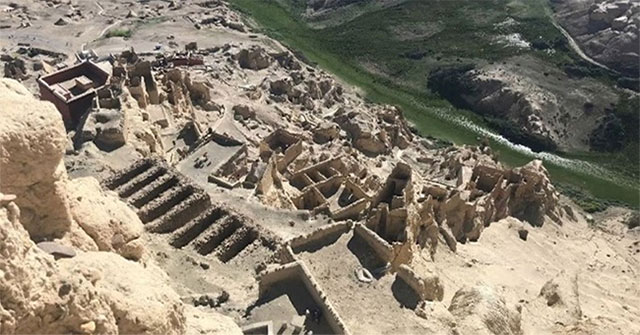
The researchers concluded that the collapse of the Kingdom of Gu Ge in the 17th century could have been caused by a drop in temperature.
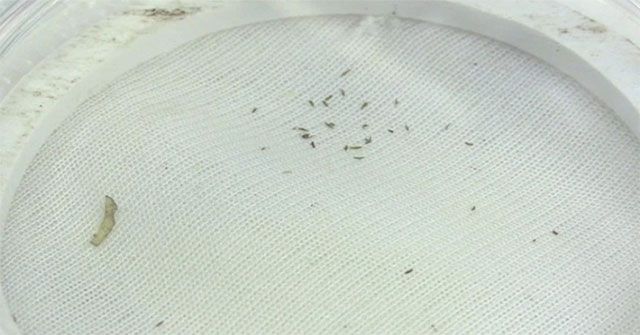
Researchers have developed a material with a maze-like structure that prevents small pests from getting close to plants.

By turning air into fresh water, the team successfully grew spinach in the Saudi Arabian desert in June when daytime temperatures hit 55 degrees Celsius.
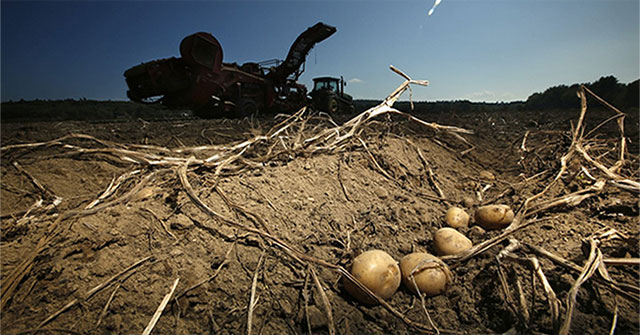
Researchers from the University of Maine (USA) are experimenting with breeding potatoes that are more resistant to increasing temperatures due to climate change.