
Biology
Secrets of jumping champion in nature
The dance is the champion of dance in the insect world. They can turn up to 100 times higher than body length.
Browse ScienceInfo articles and explainers related to Dance.
166 published items.
The dance is the champion of dance in the insect world. They can turn up to 100 times higher than body length.
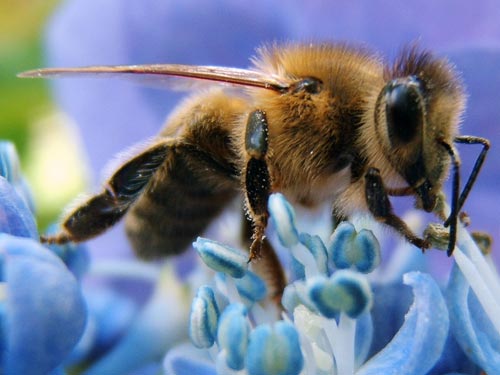
An international team of researchers has demonstrated for the first time that Asian and European honey bees can learn to understand each other's dance language despite e…
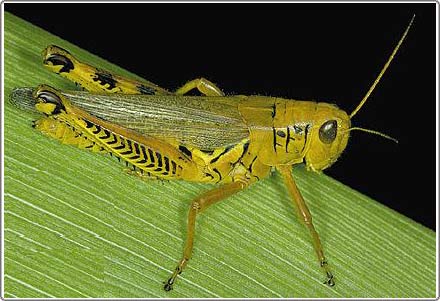
Armed with strong, long legs, and as strong as Lance Armstrong, grasshoppers were born to fly and dance. A scientist recently gave 20 species to a dance competition and…
The jumping spiders demanded that their partner dance and sing before
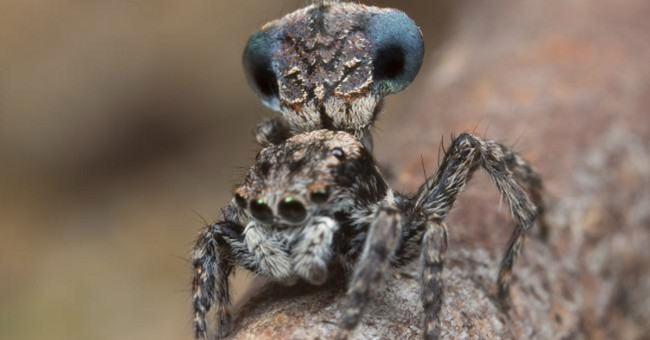
Scientists discovered two new public spiders that have an eye-catching appearance and specialize in flirting with their partners in a fun dance in New South Wales, Austr…
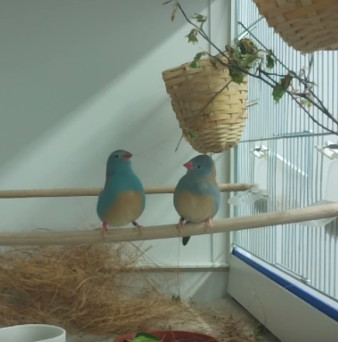
Bluebirds are the only species of tap-dance to attract mates, both in males and females.
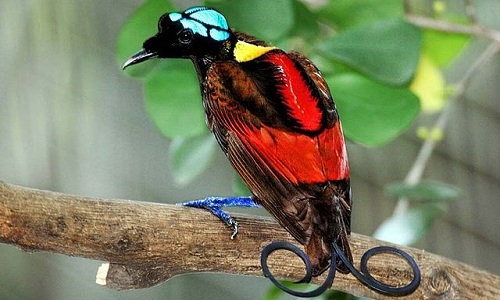
Wilson's paradise bird in Indonesia is dubbed the most beautiful bird in the world with impressive colorful feathers.
Scientists announced the discovery of 14 new species of frogs with exotic
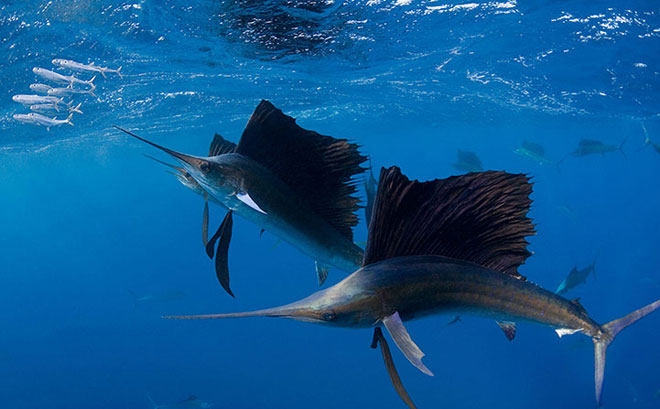
During the time when the London 2012 Olympic Games were exciting in subjects such as running, jumping and boxing, ... IUCN announced plants and animals also have amazing…
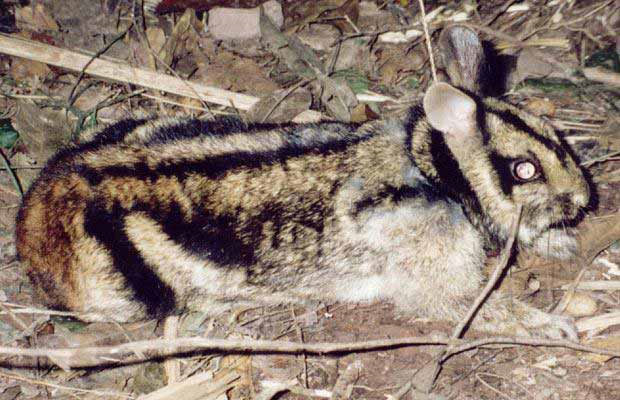
Zebra rabbits have only been discovered for about ten years. They are only available in Vietnam and Laos. According to conjecture, there are only 100-200 children left i…
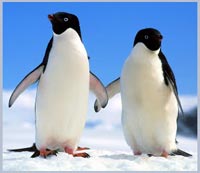
A study shows that if the Antarctic iceberg continues to melt at the current rate, the famous penguin - the emperor penguin - only existed for a century.
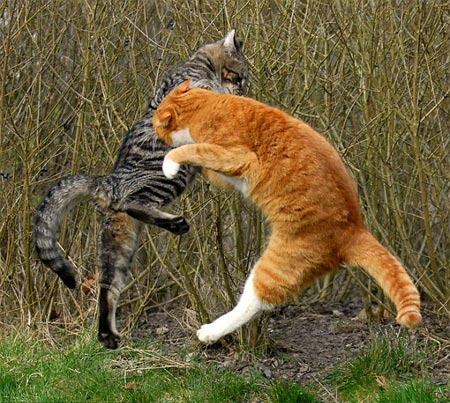
Leaping up and down in the air, raising its claws, cats are like participating in a deadly battle.

A recent study demonstrated that parrots also shook their heads, stamped their feet, moved and rotated their bodies to the rhythm.
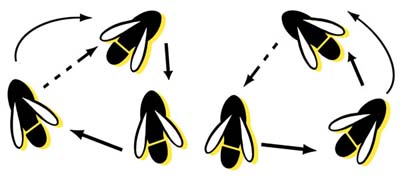
There are many things to say about the bees' flexible dance, a sly dance that helps honey bees to inform the same animals when they find a source of food.
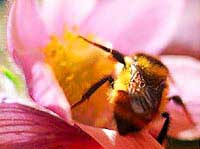
The bees' strange belly dance when they arrived at the nest was to alert other bees to the location of the food they had just arrived. The latest results of British rese…