Biology
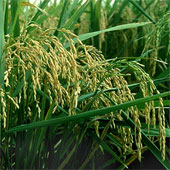
Japan finds a new rice variety that can withstand drought
According to Nature Genetics magazine on August 4, a group of Japanese biologists expertly created a new rice variety with deep roots that can maintain high yields even…
Browse ScienceInfo articles and explainers related to Deep.
1,016 published items.
According to Nature Genetics magazine on August 4, a group of Japanese biologists expertly created a new rice variety with deep roots that can maintain high yields even…

Through the study, the worm can regenerate the broken head, more specifically it retains the memory in the new brain.

Dozens of poisonous trees are caught in the eye and the sprout has a deep root to the ground. This is not a natural phenomenon but a creative result of Steve and Cindy B…

New research by Australian scientists has announced the termite flock capable of finding gold mines deep underground.
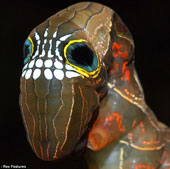
If awarded the most impressive Halloween costume for the natural world, this frightening moth will surely win the prize.
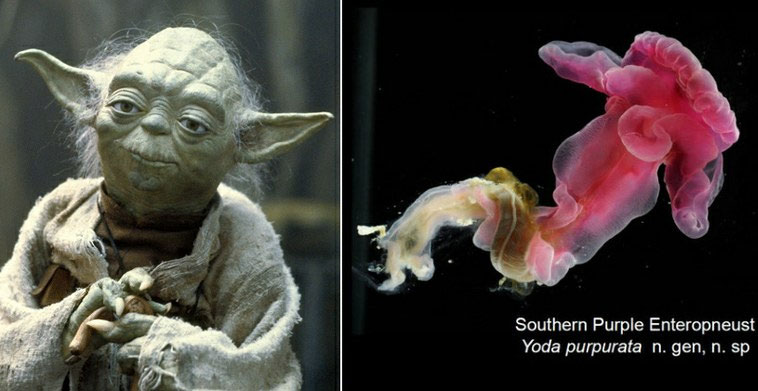
A worm joined the list of creatures named after famous figures, such as the horse fly named Beyoncé and the trio of viscous beetles named American politicians.
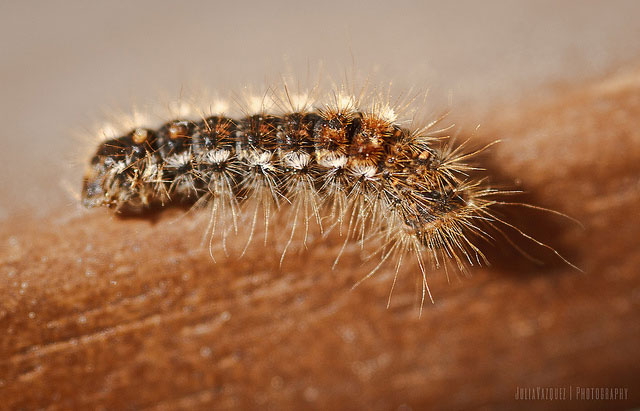
The parade of athletes and visitors to the Olympics is covered by oak trees, which on the oak canopy is where a worm is nesting and living. This is a worm, each with up…
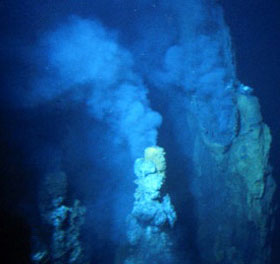
According to Science News, when these microorganisms 'cups' of toxic chemicals are sprayed from the bottom of the sea, they generate electric currents that run across th…

Genetically modified corn - a plant created to resist pests - may be losing its effectiveness when pests can adapt to new plants.
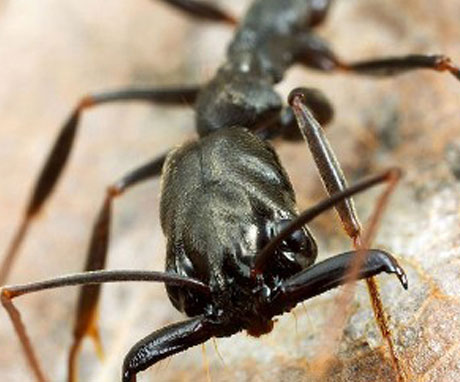
Recently, a BBC crew made a scene of two queens working together in a group. Usually, each ant nest only exists a single queen.

A bacterium never seen before was discovered in the wreck of the Titanic deep in the ocean.
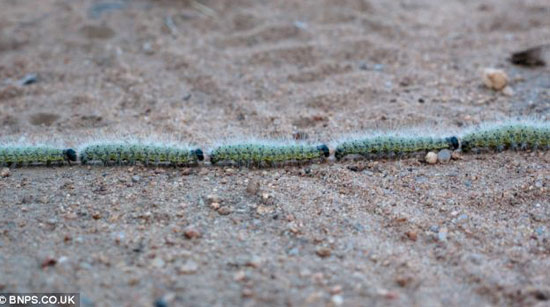
The news network Sina Hong Kong on September 6 reported that Jamie Rooney, an English tourist who was walking in South Africa Kruger National Park, captured the extremel…
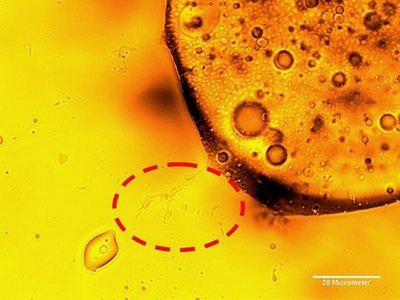
Scientists in the US have discovered a new strain of bacteria that eat oil rapidly growing in the Gulf of Mexico and helping to destroy oil particles.

The results of American biologists' research published on March 9 confirmed nearly 50% of the living things on Earth living in
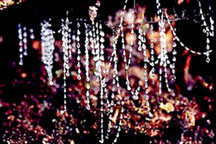
Dr. David Merritt of the University of Queensland (Australia) discovered daily biorhythms as a factor in the act of turning on and off 'lights' in glowing worms.