Biology
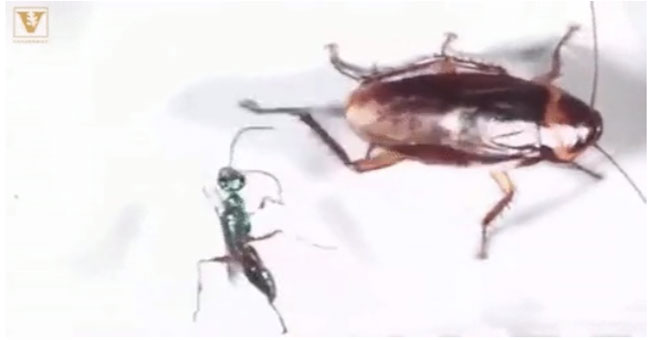
Watch the cockroach 'hit karate' on the bee's face to avoid being turned into 'zombie'
Cockroaches, if you leave out the vigorous survival and unconditional fertility, then it is just a weak bug.
Browse ScienceInfo articles and explainers related to Defense.
379 published items.
Cockroaches, if you leave out the vigorous survival and unconditional fertility, then it is just a weak bug.
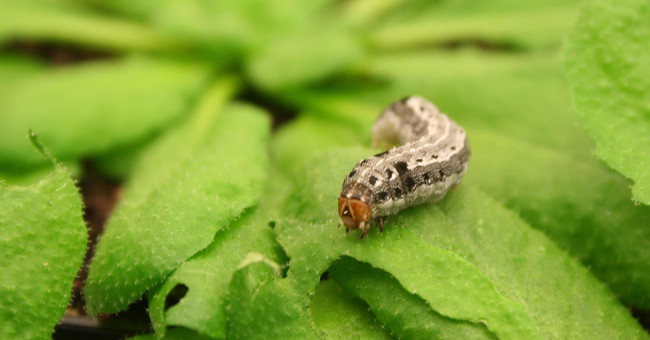
According to Science Advances magazine, the caterpillar Spodoptera littoralis, who specializes in eating corn leaves, has found a way to overcome plant protection system…
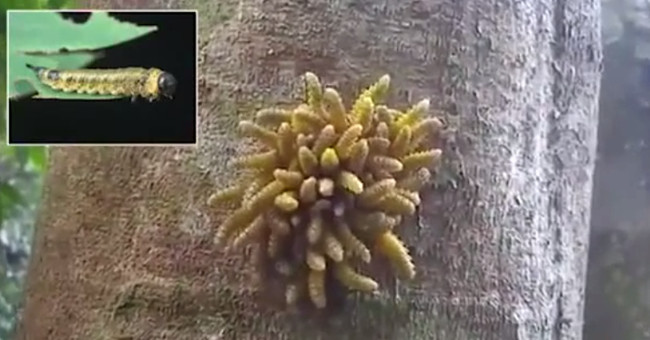
Bee larvae bite leaves clumping together, only revealing a wiggling head.
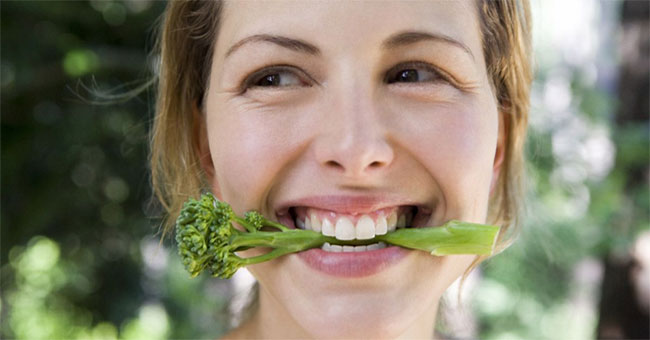
According to Business Insider, plants with intelligence to a certain extent are not too new knowledge.
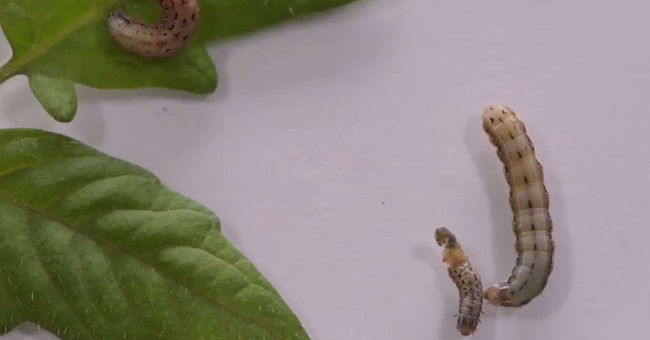
Scientists found that the common American moth named Spodoptera exigua, which eat cannibalism when the tomato leaves were no longer palatable, Science Daily reported on…
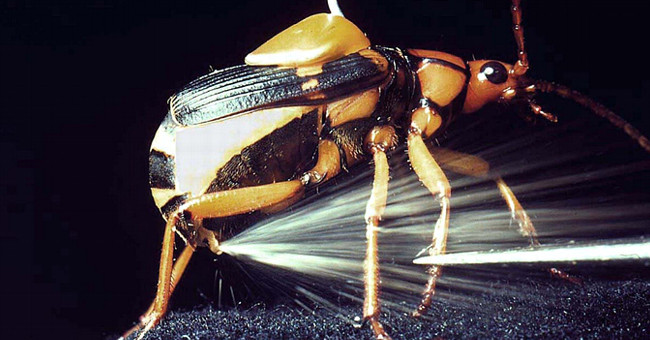
You probably know how fierce the natural world is. So to survive, animals have to equip themselves
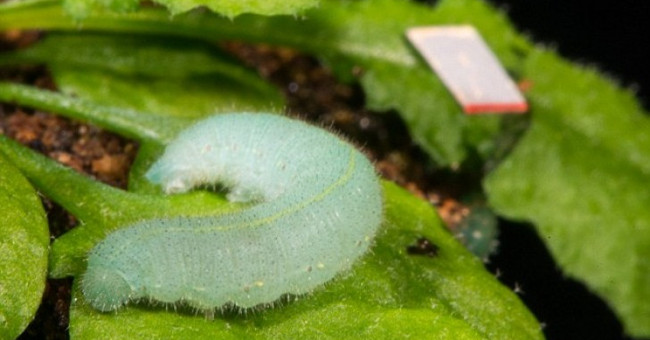
According to scientists from Missouri University, the United States can hear sounds when they are eaten by animals and humans. Since then, it formed its own defense mech…

Many rolling species possess secondary defense measures that secrete certain toxins or hydrogen cyanide gas, which can burn skin and eyes ...
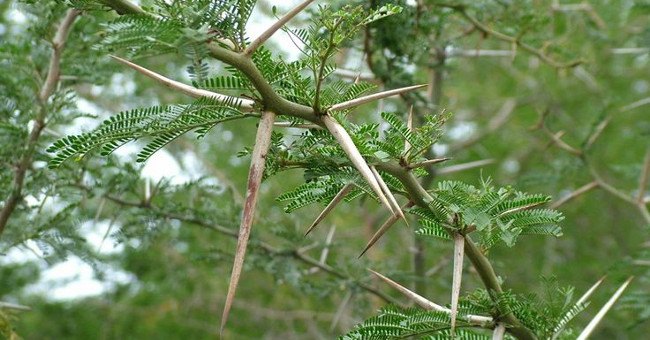
In the plant world, adaptive and self-defense mechanisms have created many rich plant species. Although they must always be tied to the soil, they cannot move but they a…
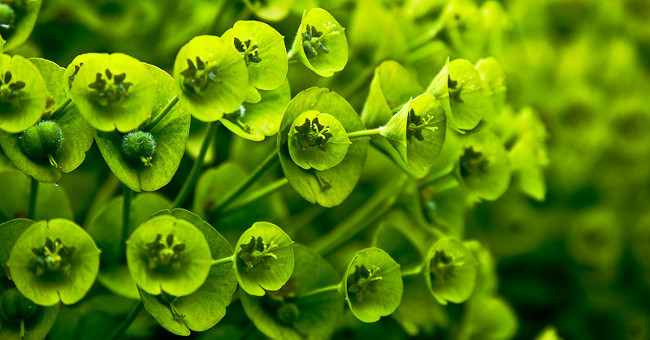
Sometimes, when you're sad or happy, you can say idly or play around with the trees around you. And miraculously, scientists have recently discovered that plants really…
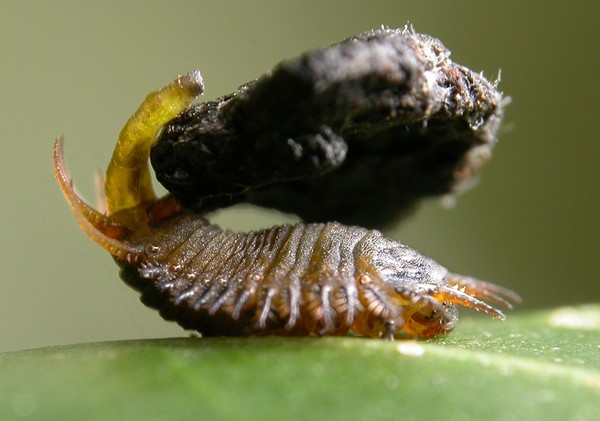
Self-defense is one of the instinctive actions of all living things. Each species has a different way of defending itself, ranging from staggering with parts of the body…

When the pregnant mother spider was attacked, the spider spiders abruptly escaped the fetal bag on its back at the same time.
Recent research by American scientists shows that some plants can be felt when they become food, and they don't like it.
A new study has found that plants are creating a calcium wave to be able to survive in increasingly salty soil.
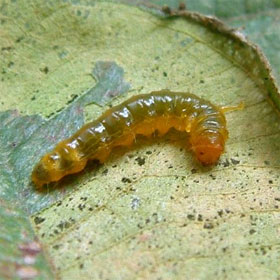
This is not the first time Mr. Darling licks a worm. But that was the first time the professor licked the taste of a caterpillar, a Calindoea trifascialis.