Environment
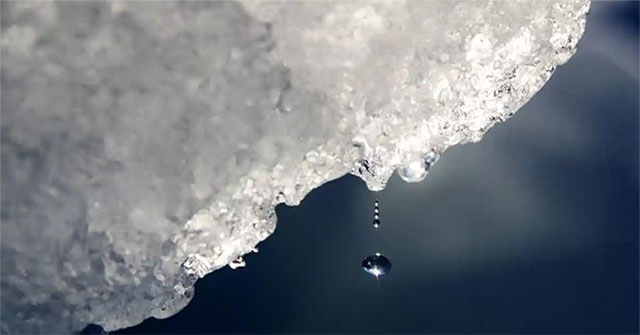
Record heat waves appear at both poles of the Earth
Parts of Antarctica have risen by 40 degrees Celsius above normal, and at the same time, the Arctic has risen by more than 30 degrees Celsius.
Browse ScienceInfo articles and explainers related to Degree.
1,249 published items.
Parts of Antarctica have risen by 40 degrees Celsius above normal, and at the same time, the Arctic has risen by more than 30 degrees Celsius.
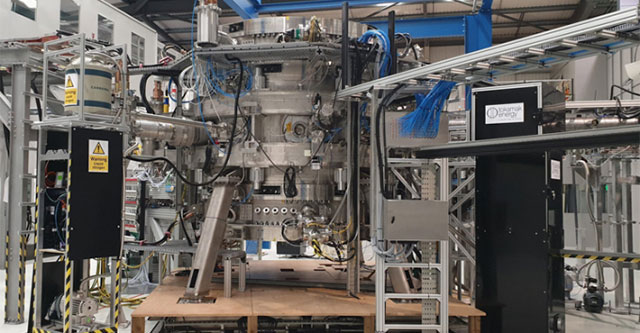
The British company's spherical tokamak reactor achieves new achievements, moving closer to the goal of efficient fusion energy extraction.
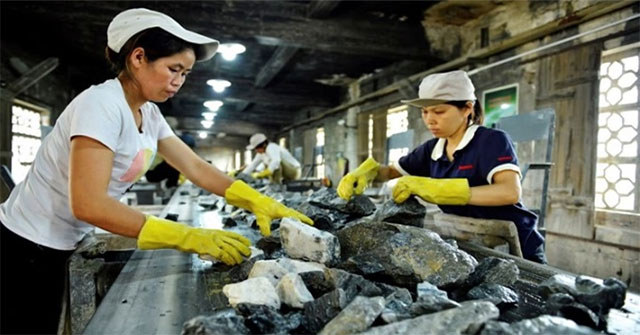
The team at the Chinese Academy of Sciences in Hefei, Anhui province, say they have developed the strongest tungsten material that can be used in a fusion furnace.
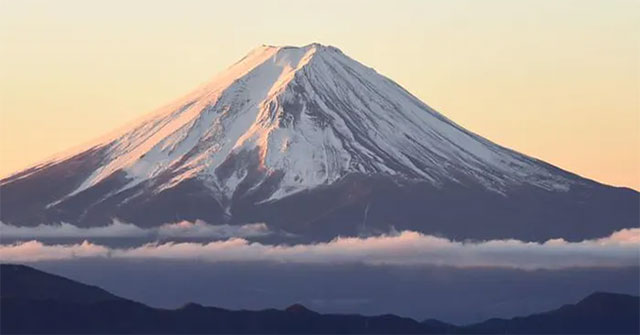
Experts have warned that 'Mt Fuji has entered the period of waiting for its first eruption in 300 years'. Therefore, many ideas have been proposed to solve the problem..…

Nuclear bombs are not only destructive on the ground, but also blow deadly radioactive dust tens of kilometers into the atmosphere.
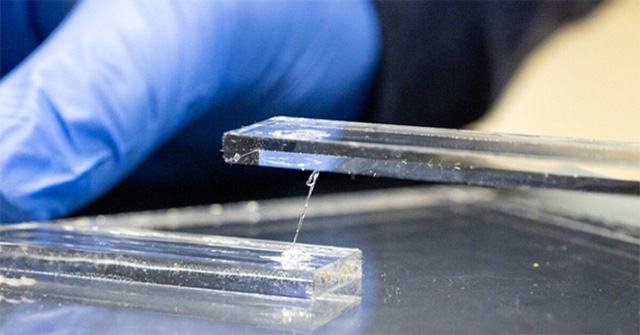
Scientists develop adhesives with high strength, one cm2 can hold objects weighing 136 kg.
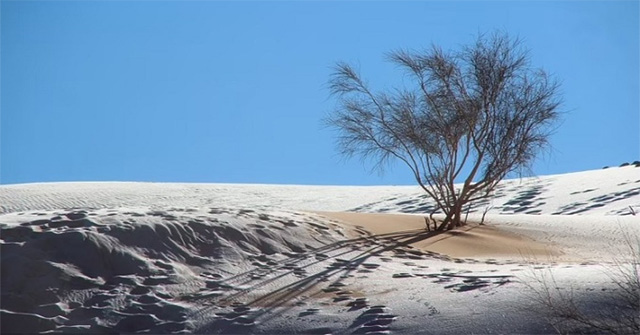
Snow and ice cover the sand in the Sahara Desert after the temperature here dropped to -2 degrees Celsius under the influence of a high-pressure cold air mass.

This method has been applied in China to neuter cats without castration.
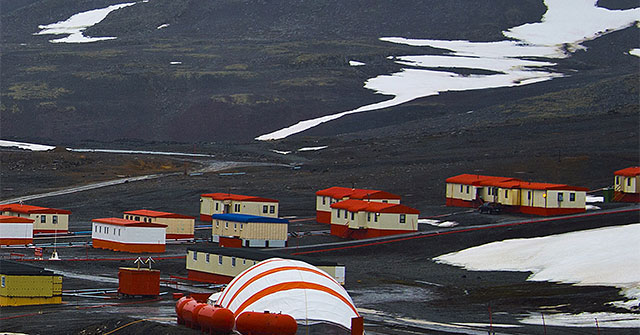
People can live with the appendix for life unless it becomes inflamed. However, one town in Antarctica has required prospective residents to have their appendix removed…

In addition to the unique airbags, Nuro's new autonomous cargo van runs on clean energy and can regulate the temperature in the cargo compartment.
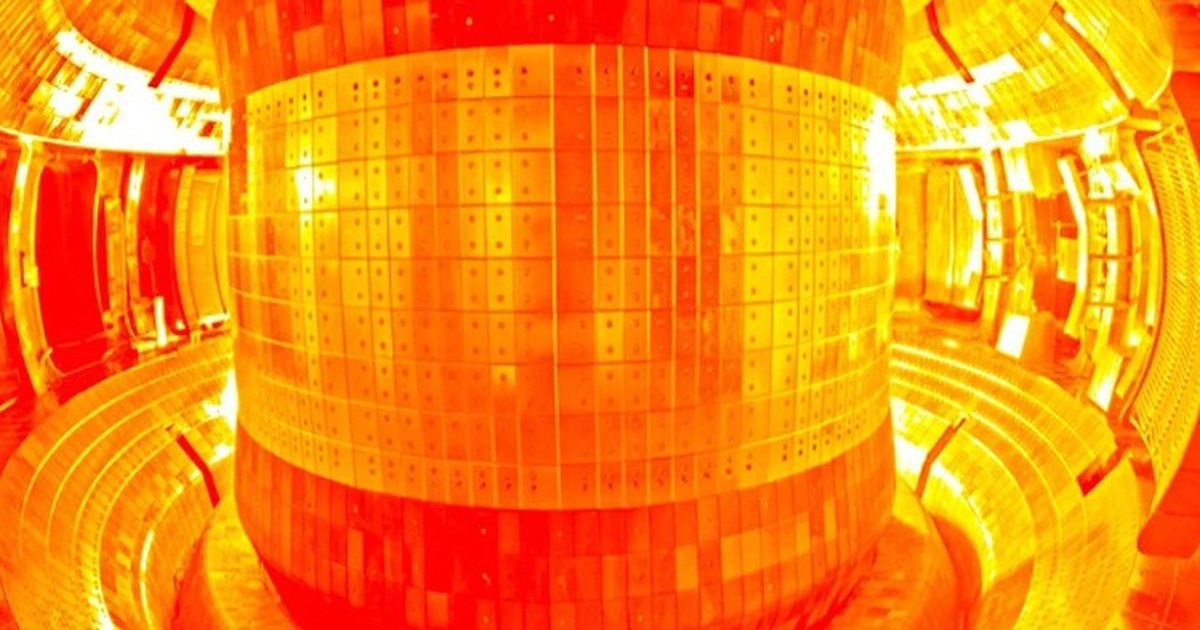
The model of a fusion reactor being tested could help harness virtually limitless clean energy, five times hotter than the sun.
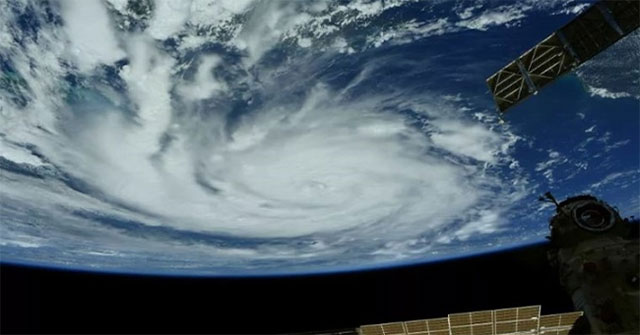
Bubble screens, the technology that keeps Norwegian bays ice-free in winter, could prevent future powerful storms in the Gulf of Mexico.
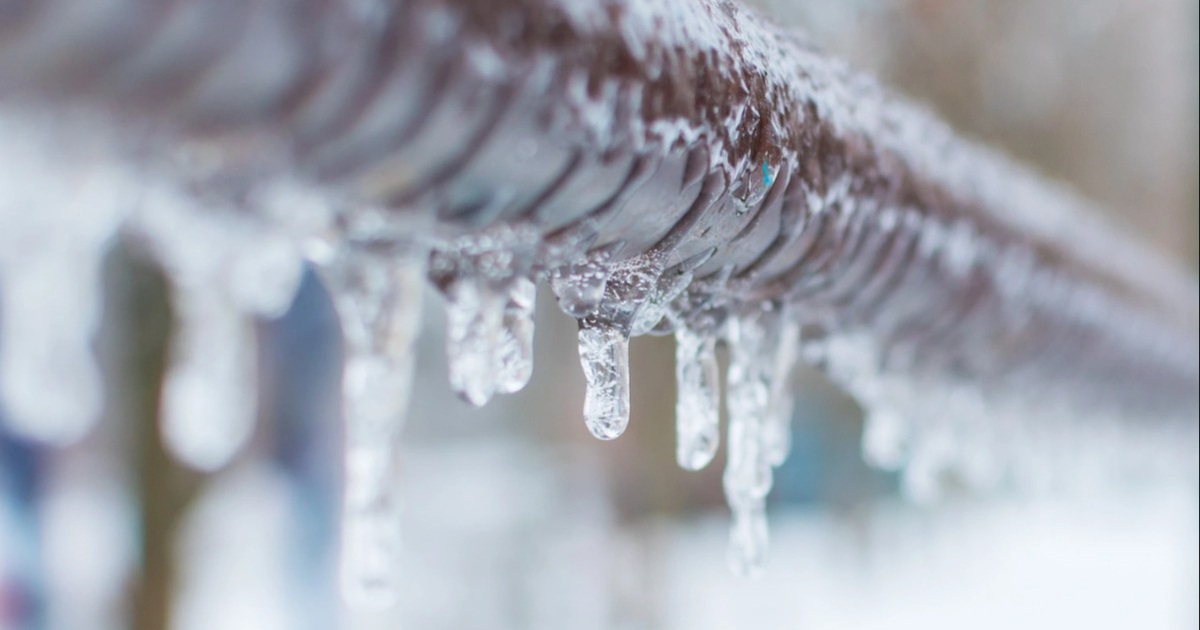
TipsMake - Scientists at the University of Houston have just broken the record for the freezing point of water, and discovered the huge implications of this in energy sy…
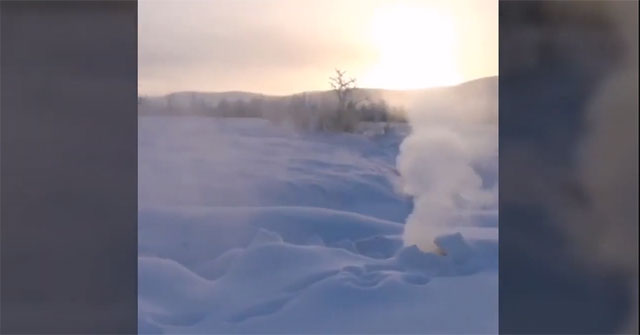
The photographer captured smoke rising from an underground fire fueled by peat and methane, while ice covered the ground.
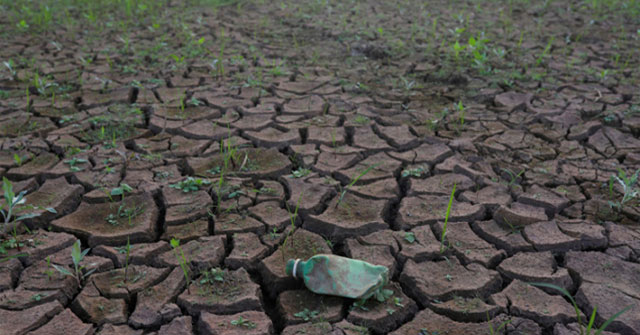
If the Earth warms by 2 degrees Celsius instead of 1.5 degrees Celsius, people, wildlife and ecosystems will all suffer severe consequences.