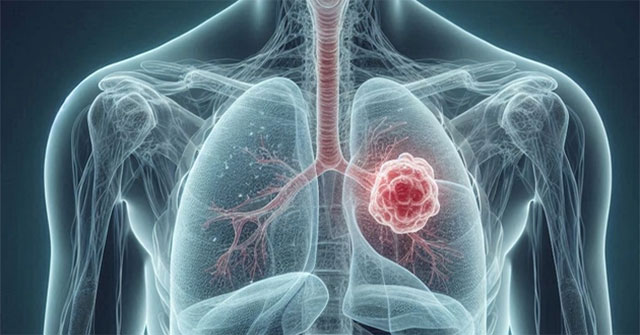
Cancer
New Breakthrough: 'Hack' Tumors, Turn Cancer Cells Into Pills
A new method by American scientists could help solve even cases of treatment-resistant cancer.
Browse ScienceInfo articles and explainers related to Develop.
3,054 published items.
A new method by American scientists could help solve even cases of treatment-resistant cancer.
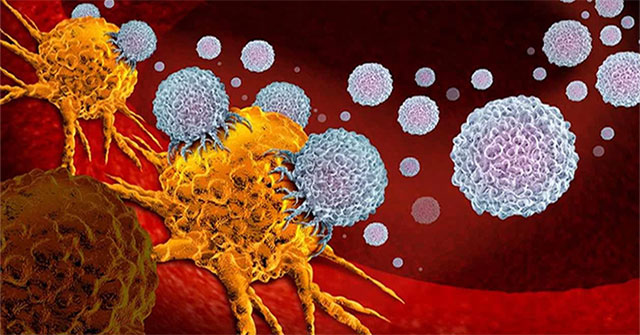
Scientists have made a major discovery about DNA that could provide more information about one of the most deadly cancers.

In order to increase the emotional interaction between robots and users, experts seek to increase the number of motors and expressions on the robot's face.

A team of ETH Zurich experts developed a heat trap that can absorb concentrated sunlight, creating extremely high levels of heat for production.

In the age of technology 4.0, everywhere people talk about AI and people even see AI as a 'monument' in computer technology rather than just a simple trend.

A group of experts at the University of Texas is developing technology that allows electric discharge to charge drones in mid-air based on electromagnetic waves.

A scientist at the private fission company Transmutex has developed a new method that can reduce the radioactivity of nuclear waste by up to 80%.
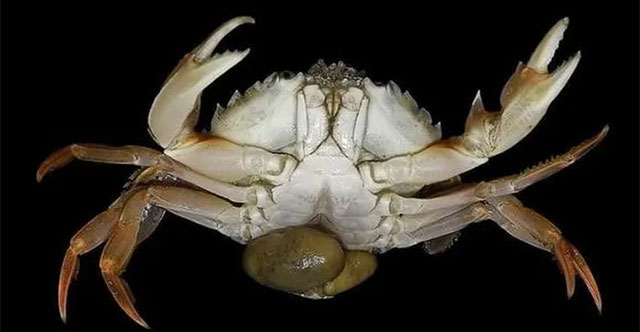
Male blue crabs lose their reproductive function and develop ovarian tissue due to a notoriously cruel parasite.

New electronic skins can wrap around the robot's hand, helping to accurately sense pressure and identify objects in conditions as cold as minus 78 degrees Celsius.

Researchers have developed a method that takes advantage of black holes to study seemingly elusive objects from the early universe.

New findings confirm that large, compassionate 'puppy dog eyes' did not just evolve in domesticated dogs to attract humans as scientists previously thought.

Grok, the AI chatbot developed by xAI - Elon Musk's company - is in the process of integrating multimedia information processing capabilities, allowing users to intera…

Chinese scientists have developed a 504-qubit quantum computing chip to make it available to researchers worldwide via a new cloud computing platform.
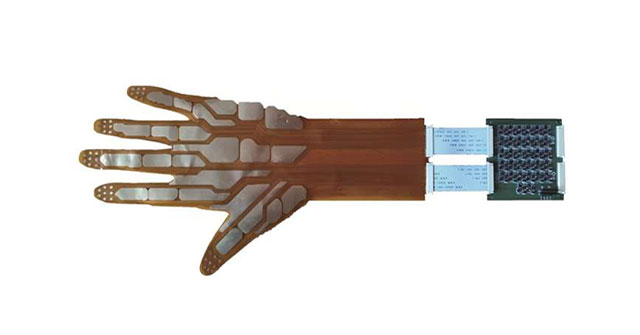
Scientists have successfully developed an artificial tactile system that can be used in creating prosthetic hands, helping robots have the ability to feel like humans.

Researchers from Carnegie Mellon University develop a non-invasive brain-computer interface that helps people move objects with their thoughts.