Animal world
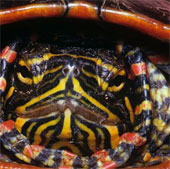
Research gene turtle to treat cardiovascular disease
Scientists have deciphered the genome of the colorful tortoise named
Browse ScienceInfo articles and explainers related to Disease.
4,796 published items.
Scientists have deciphered the genome of the colorful tortoise named
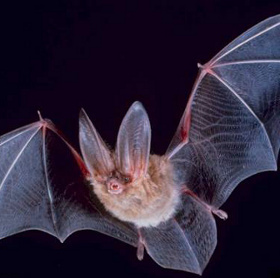
For centuries, bats have been vilified no more than a pathogen, sucking the blood of the night.

Gorillas have an extrovert personality that lasts 10 years longer than others.
Scientists have deciphered the genome of breeding pigs. This success has promoted the meat production industry and tested human medicines.

The primates' brains see the world through triangular grids, according to a new study published online October 28 in the journal Nature.

Healthy home sparrows tend to avoid contact with sick home sparrow, raising hopes to monitor the spread of diseases affecting humans such as bird flu, according to AFP.

Nature conservationists hope that Western advances can convince some people to stop using parts of rare animals to treat serious diseases.
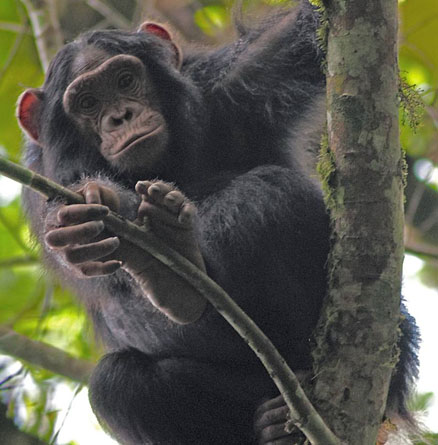
Chimpanzees who live near people often have to find ways to find their own cigarettes to cure their illnesses. These are the medicinal plants used to treat diseases caus…
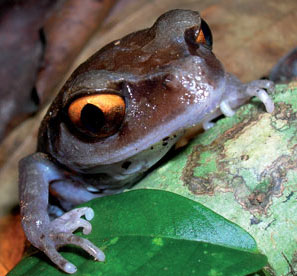
Frogs and other amphibians are being wiped out with a dizzying speed in Asia. Therefore, some species may become extinct before being discovered - Scientists warned at t…
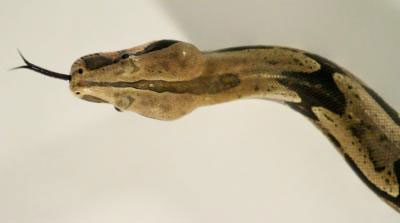
According to experts, the disease is called
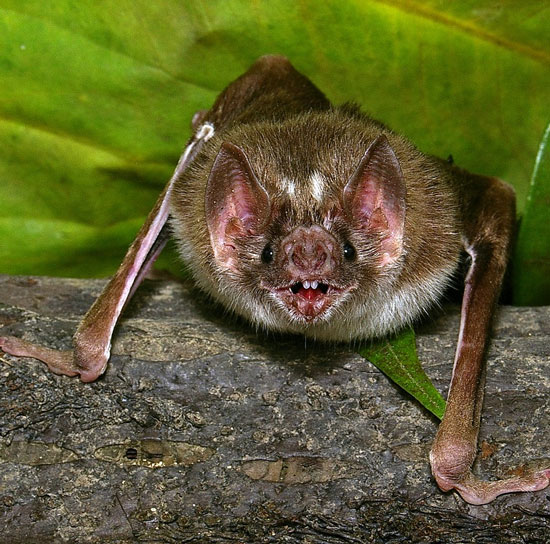
Researchers at the Centers for Disease Control and Prevention (CDC) found that the Amazon vampire bat could resist rabies virus that kills more than 55,000 people worldw…
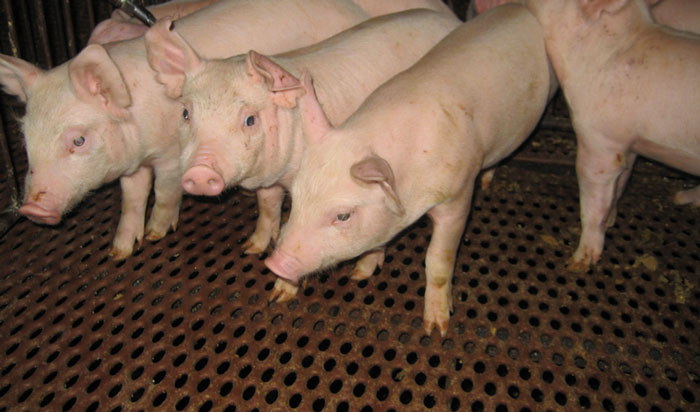
Blue ear disease in pigs (reproductive and respiratory disorders syndrome) caused by PRRS virus. The virus damages the US pork industry by more than $ 600 million a year…
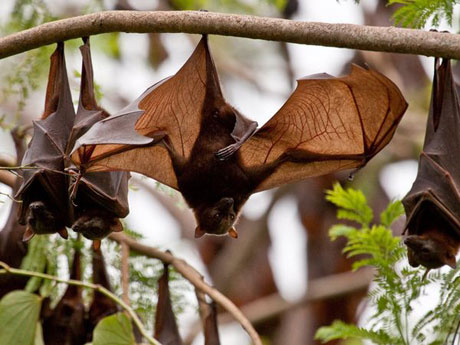
Hundreds of thousands of bats suddenly appeared in a city in northern Australia, causing officials to fear the risk of outbreaks.

At least 5.7 million bats across the 16 states of the United States and Canada have died from a strange disease called White-nose syndrome (White-nose syndrome).
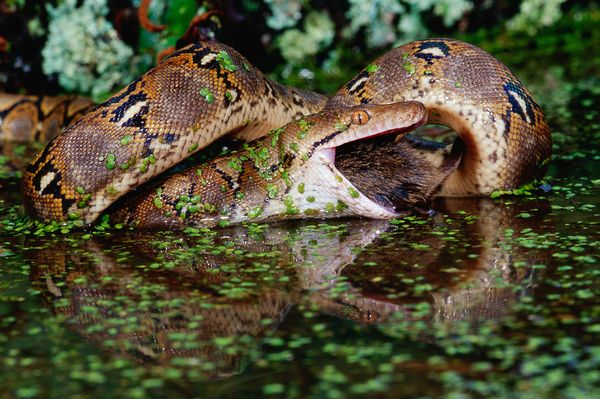
High levels of fatty acids, or lipids, in the blood of reptiles make their hearts and other organs nearly double after fracturing durable bonds, experiments show.