Archeology
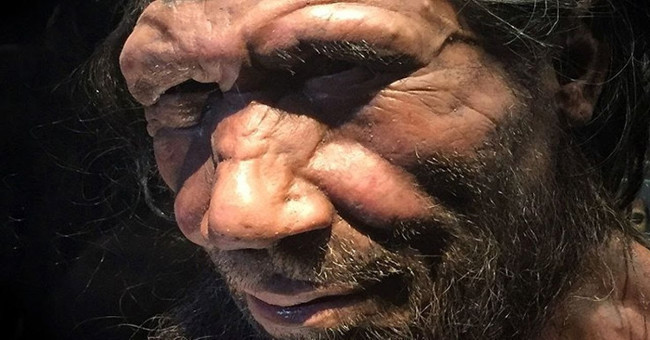
We have become more extinct with the Neanderthals than we thought
A newly excavated 52,000-year-old piece of bone in Croatia has revealed more about the origins of humanity.
Browse ScienceInfo articles and explainers related to Dna.
724 published items.
A newly excavated 52,000-year-old piece of bone in Croatia has revealed more about the origins of humanity.
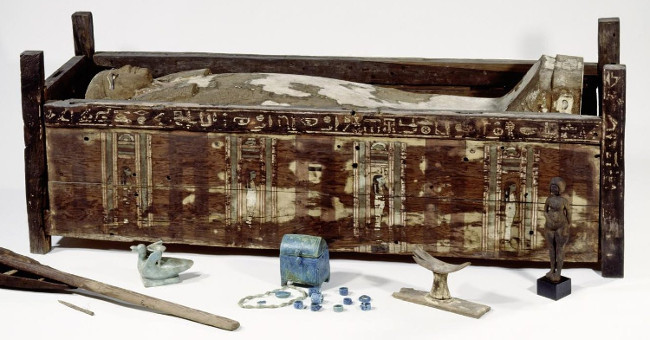
Scientists say this will be an important premise for their genetic research later.
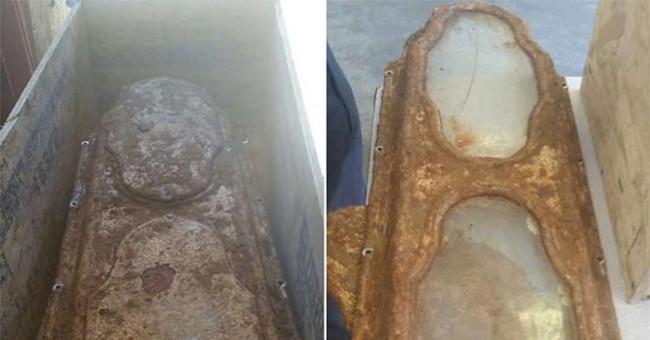
The girl's body was discovered in a 19th-century metal coffin beneath a house in San Francisco, USA, eventually identified nearly 141 years after she died.
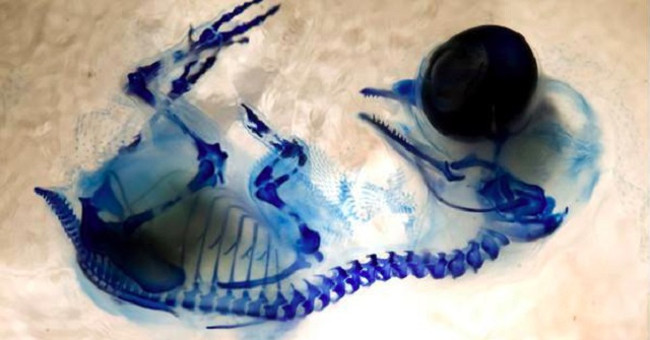
Finding embryos inside dinosaur eggs is a faster step with the creation of hybrid embryos between dinosaurs and chickens.
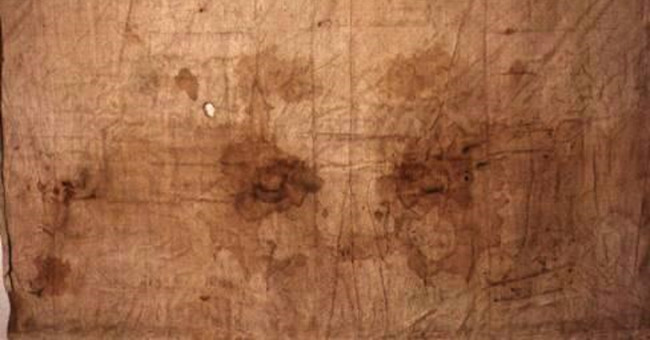
Experts in artifacts related to Jesus to find DNA samples could lead to his surviving descendants.
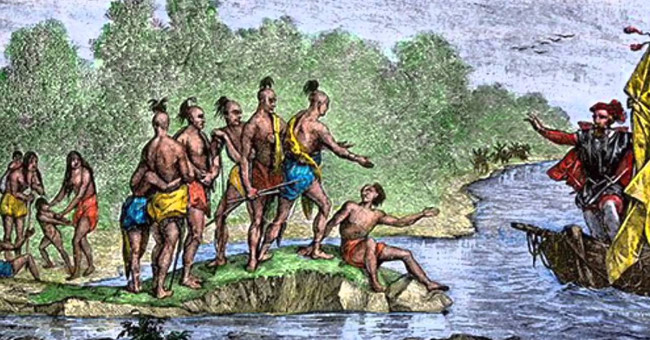
It is very rare to find people who live with DNA almost unchanged for 8000 years. The ancient world had crazy migrations and genome disturbances everywhere.

Scientists have thus asserted in a study just published, the DNA test results in ostrich eggs confirmed some aspects of continental drift theory.

The nodules on a woman's skeleton contain

This embryo is not entirely a dinosaur but is actually a hybrid between T-Rex and chicken.
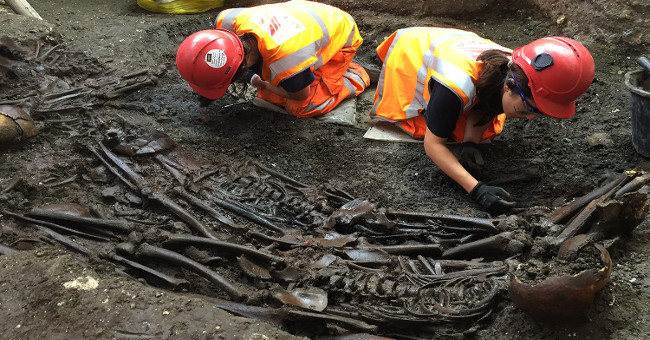
Researching DNA from human bones, scientists found the bacteria that caused the Plague to eradicate 1/4 of London's population in England in 1665.
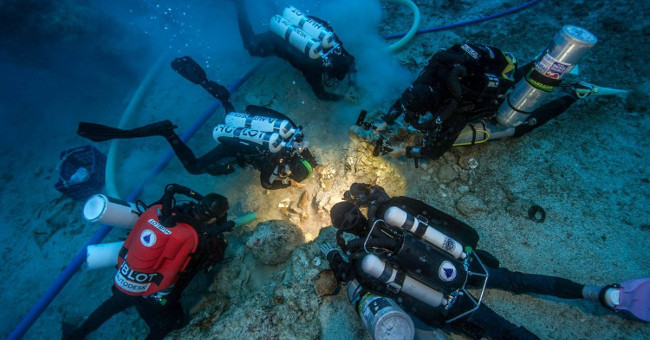
According to a report published in Nature on Sept. 19, an international archaeological group has discovered a 2,000-year-old remains in a shipwreck on the Mediterranean…

One of the most persuasive hypotheses is that prehistoric people traveled by road for 1,450km from Alaska to Montana.
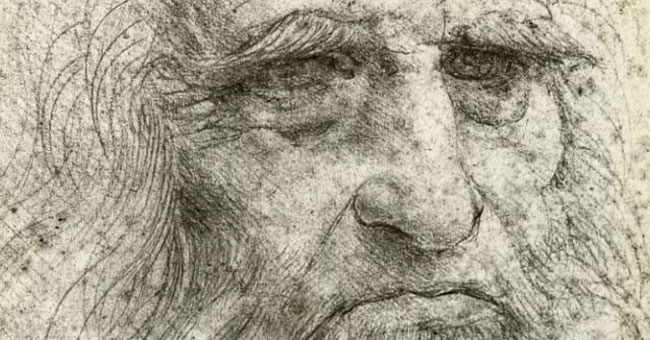
500 years ago, Leonardo da Vinci pioneered quite a number of research fields, from poetry to mathematics, engineering, anatomy, science, astronomy, geology and especiall…
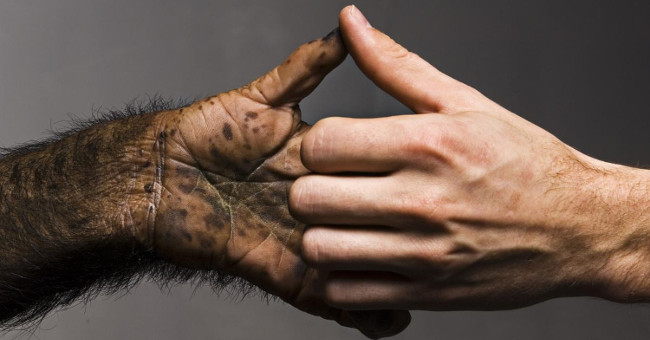
When the entire human genome was sequenced for the first time 13 years ago, scientists were stunned to discover that our DNA was so different from its relatives - monkey…
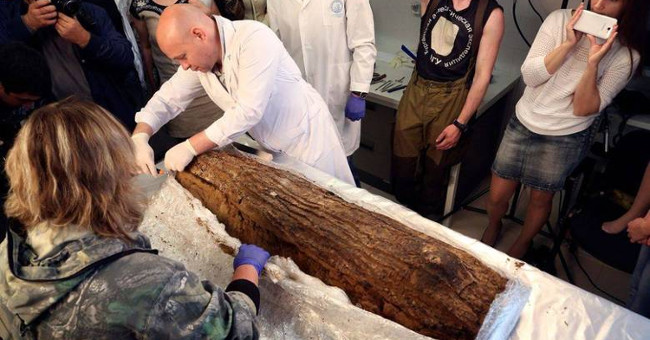
Russian scientists hope to identify blood relatives of a mummy of 800 years ago, found near the Arctic Circle.