
Medicine - Health
The mutant child shocked in England
Alfie Clamp, a 2-year-old boy who suffered a very severe form of disability that shocked even the top medical scientists in England.
Browse ScienceInfo articles and explainers related to Dna.
724 published items.
Alfie Clamp, a 2-year-old boy who suffered a very severe form of disability that shocked even the top medical scientists in England.
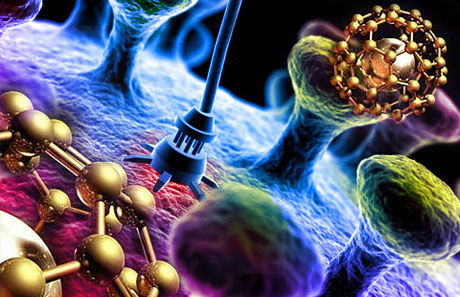
For years scientists have known that RNA, a relative of DNA, is a potential tool for nanotherapy - nanotherapy, whereby elements of therapy are introduced into the body…
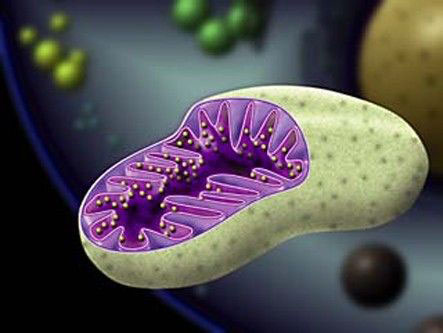
Researchers at the Massey Cancer Center at Virginia Commonwealth University have discovered an important mechanism in mitochondria that is involved in causing cancer and…

A simple DNA test with infant saliva may reveal whether a baby is infected with the virus can cause deafness in some cases.
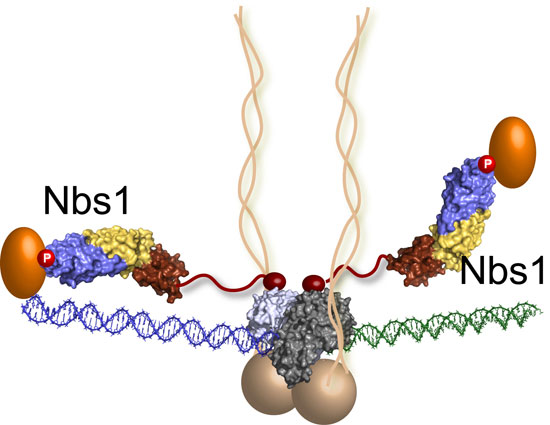
For the first time, researchers at Hebrew University in Jerusalem have shown that in the early stages of cancer development, cells do not have enough

From the identification of terrorist Osama bin Laden to prove the criminals raped, vindicated for those sentenced to false ... DNA analysis has become an indispensable s…

Women who smoke during pregnancy may increase their risk of altering their DNA, making them more susceptible to disease than other children.

Scientists have succeeded in making aggressive monkeys into obedient animals, by controlling the D2 gene in their brain.

Born with eggs, there are identical DNA sets, but not all identical twins and eggs. Why is there such a phenomenon?


Each human cell contains the same amount of DNA. The cell's smoothness is characterized by elasticity, elasticity and zigzag, like chicken intestines.

Recently, scientists have announced a new way to help parents who are early to see if their baby has Down syndrome.
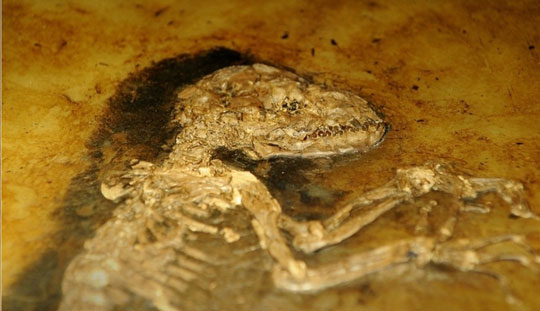
US researchers say a new genetic explosion more than 3 billion years ago created more than half of the DNA map of all life existing on Earth, according to UPI news agenc…
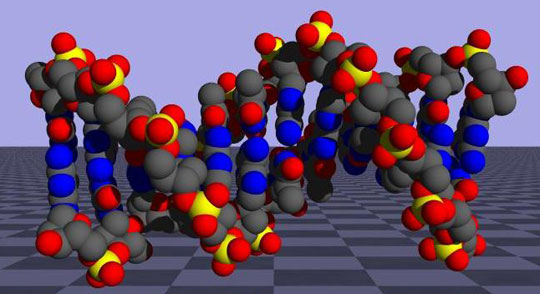
According to scientists, the new compound can put DNA into the cell nucleus with very high efficiency, more easily produced in series.
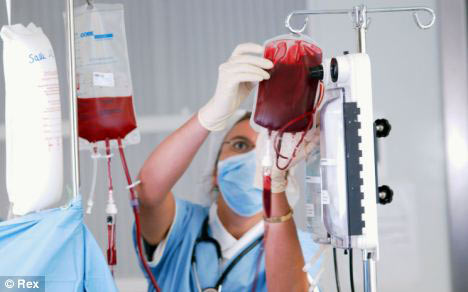
Patients can now self