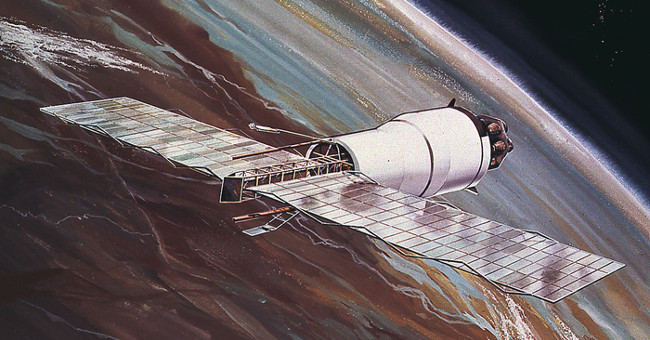
Space science
The fall of satellites made the Earth
In March this year, China's Thien Cung 1 space station will fall to Earth but does not know exactly where it falls.
Browse ScienceInfo articles and explainers related to Earth.
6,634 published items.
In March this year, China's Thien Cung 1 space station will fall to Earth but does not know exactly where it falls.
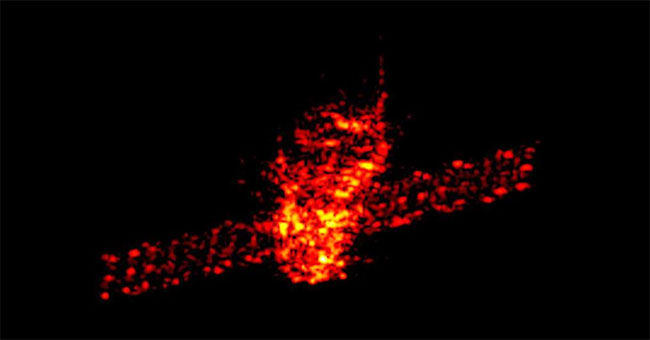
The Fraunhofer Institute of High Frequency Physics and Fraunhofer Radar Technology published two radar images of Thien Cung 1, a Chinese space station that is losing con…
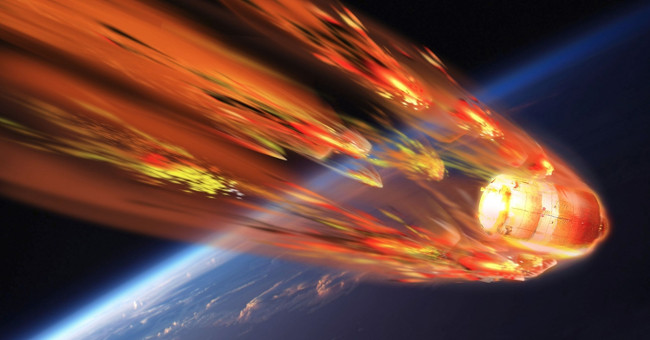
Although China's Thien Cung 1 space station will fall out of control to the Earth, the possibility of a station injuring people when landing very small, according to New…
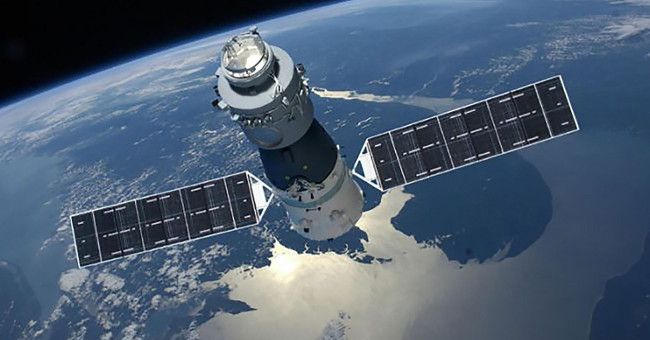
The final images of Thien Cung 1 space station will be broadcast live from 19h on March 28 (Vietnam time).
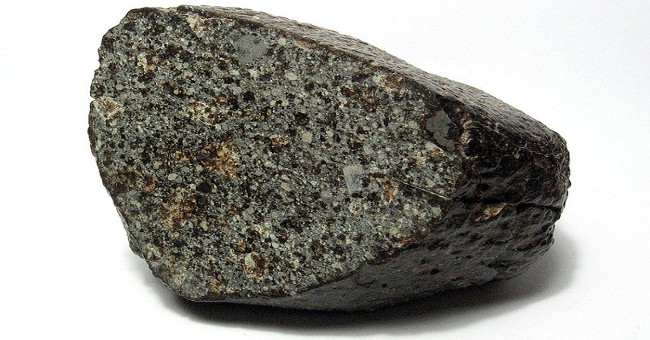
Chondrit is the most common meteorite falling to Earth with estimates of the ratio between 85.7% and 86.2% of meteorites falling to Earth.
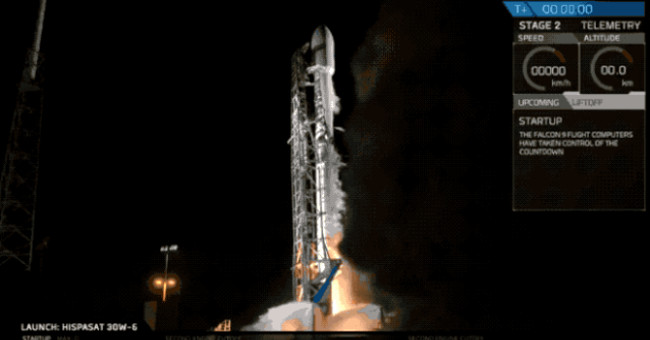
At dawn yesterday (March 6, 2018), SpaceX made a new milestone when the 50th launch of Falcon 9 was successfully launched.
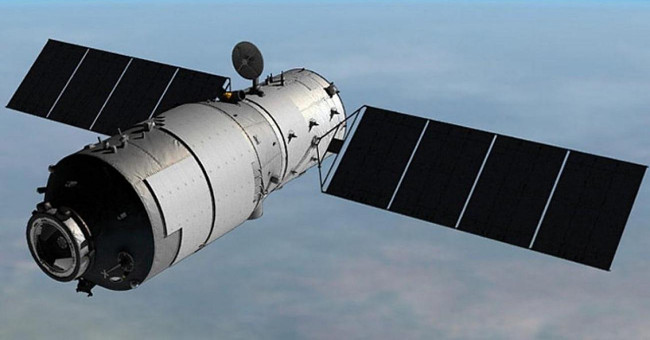
Thien Cung 1, China's first space station is expected to fall to Earth within a few weeks.
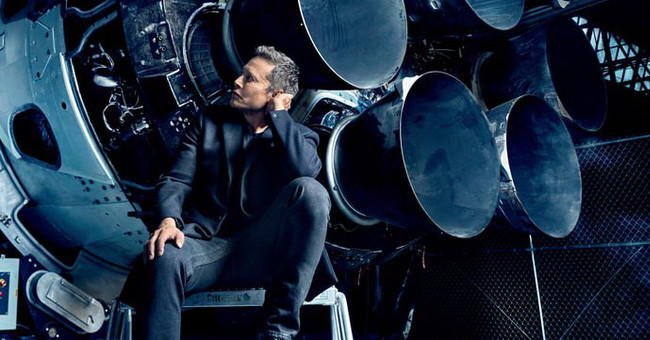
Billions of dollars have evaporated in the mission of providing Internet services to Earth's low orbit area.
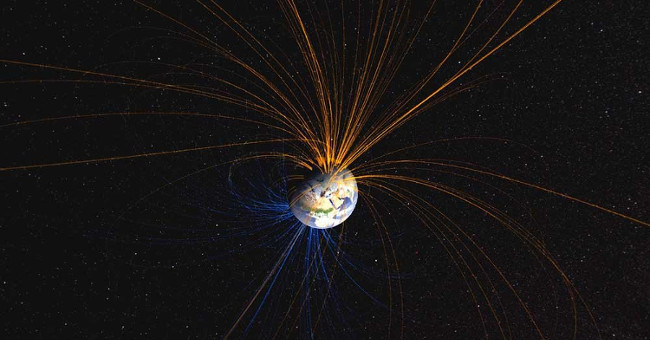
The Earth's magnetic field is weakening at such a fast speed that scientists think the magnetic poles will reverse.
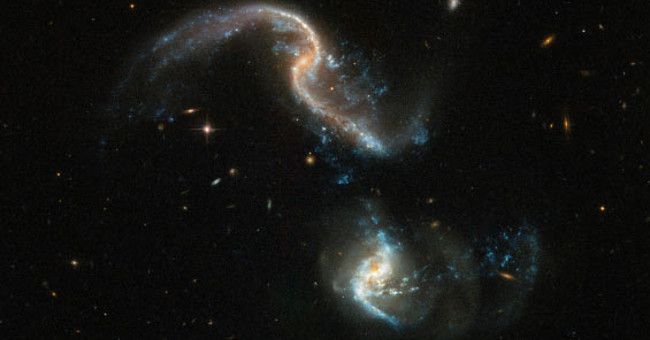
NASA's Hubble astronomical telescope records a new image of the Arp 256 collision between two spiral galaxies in the constellation of Venus, 350 million light-years from…
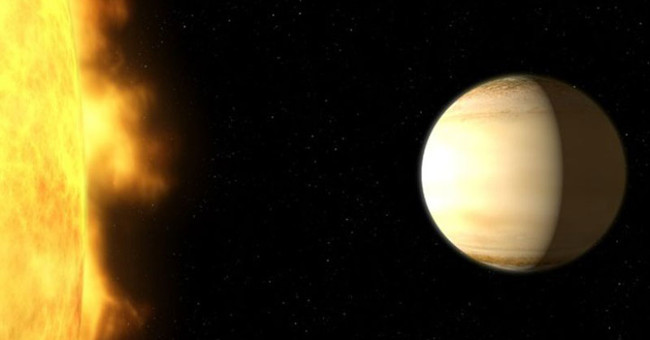
They used the Hubble space telescope and the Spitzer telescope to create a detailed spectrum of the WASP-39b atmosphere, allowing for evidence of water's existence.
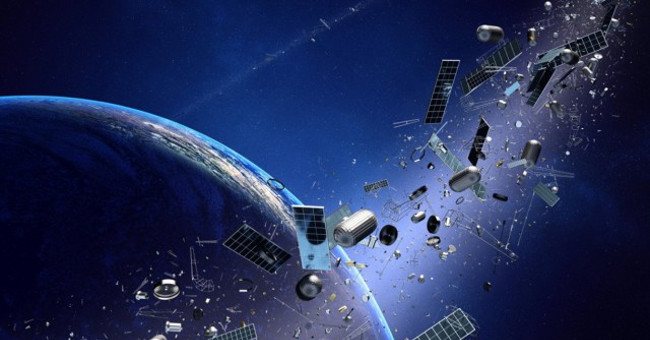
Bringing waste on Earth to outer space will threaten space stations and spacecraft, as well as the risk of adversely affecting the Earth.
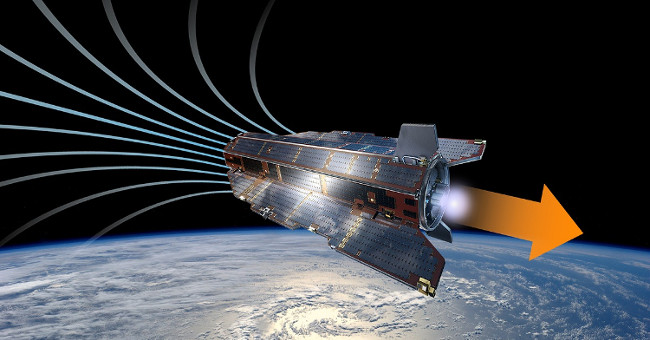
ESA's new rocket propulsion engine can collect, compress, charge and then release gas molecules, without requiring the use of chemical fuels, Science Alert reported toda…
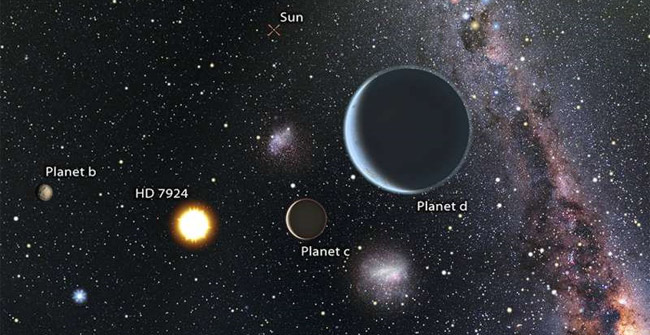
A surprisingly interesting star system found in space surprised the scientific community. The planets orbit around very close to the host star for a period of 1.2, 3.6 a…
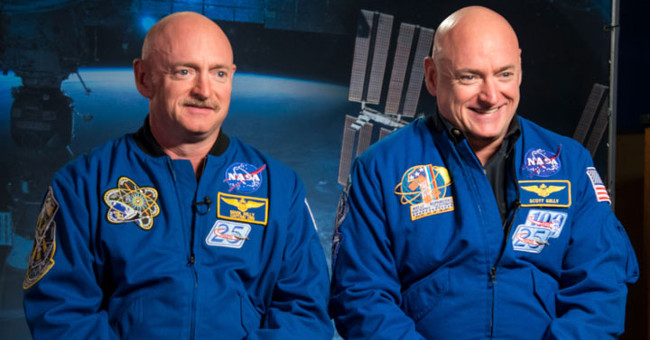
That was the result of a study from NASA, discovered from the case of twin astronaut brothers Scott Kelly and Mark Kelly.