Space science
US launches new generation weather satellite
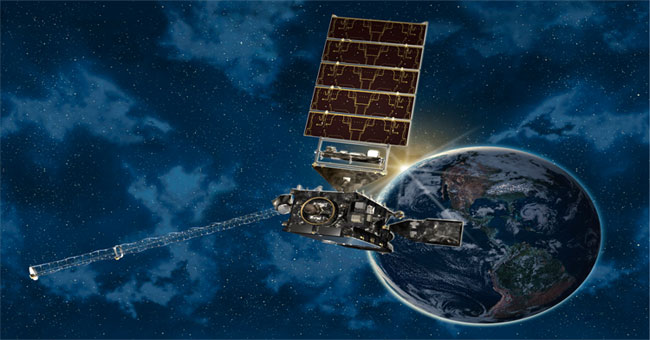
On November 19, the US launched a latest generation weather satellite capable of capturing weather and atmospheric phenomena at 30 seconds per image.
Browse ScienceInfo articles and explainers related to Earth.
6,634 published items.
On November 19, the US launched a latest generation weather satellite capable of capturing weather and atmospheric phenomena at 30 seconds per image.
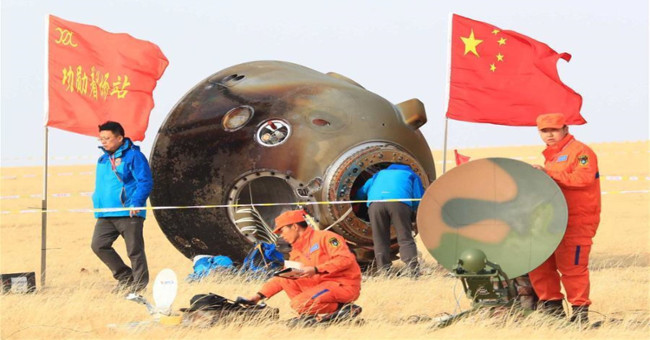
The Shenzhou 11 spacecraft compartment carries two successful Chinese astronauts in the Inner Mongolia Autonomous Region in China.
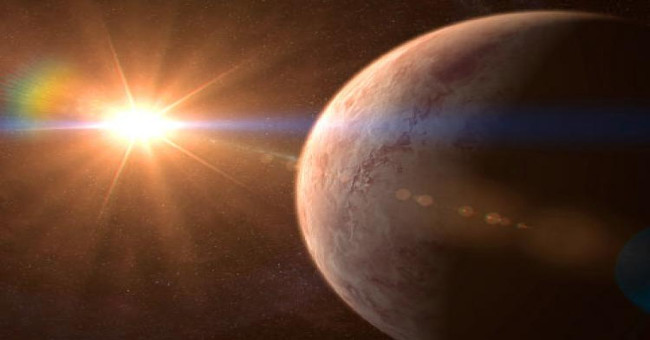
Spanish scientists discovered
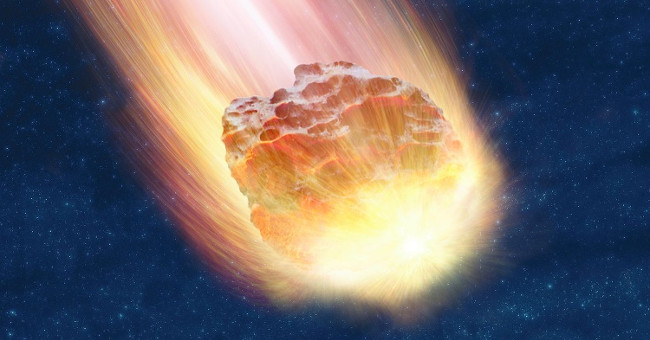
The meteorite early warning system of the US Aeronautics Agency (NASA) discovered a 25-meter-diameter meteorite that crossed the Earth on October 31 night.
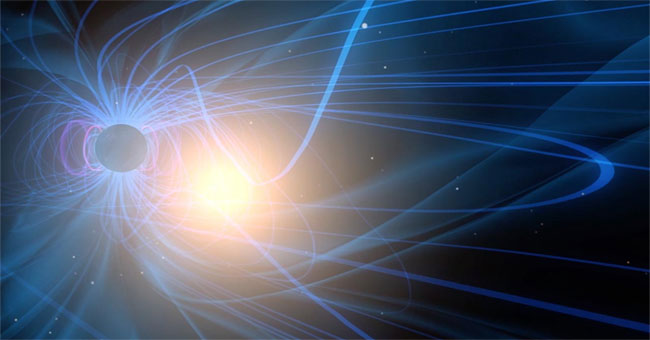
GRAPES-3, the world's largest and most sensitive cosmic ray tracking device, detected a stream of high-energy beams reaching the Earth through a gap in the magnetic crus…

It is not wrong to say that 2016 is the time when aliens cause fevers, when humans constantly find planets that can sustain life in the universe.
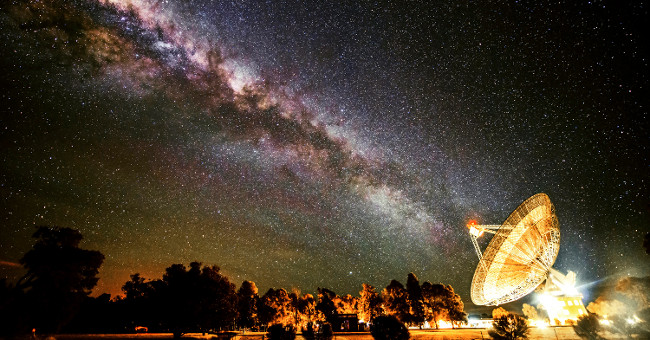
Australia's Parkes Telescope will participate in the Breakthrough Listen project in search of extraterrestrial civilization and other natural phenomena.
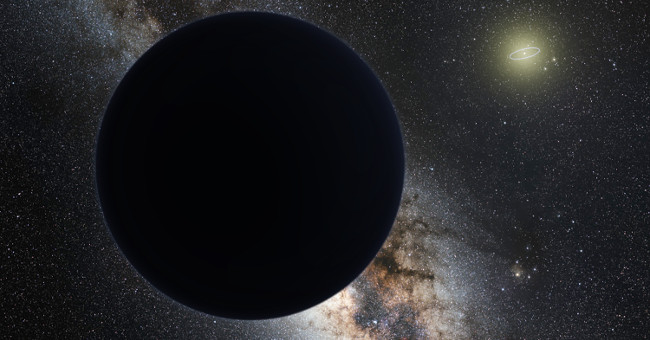
A group of astronomers believed to be able to identify the mysterious 9th planet at the outer edge of the solar system for about 16 months.
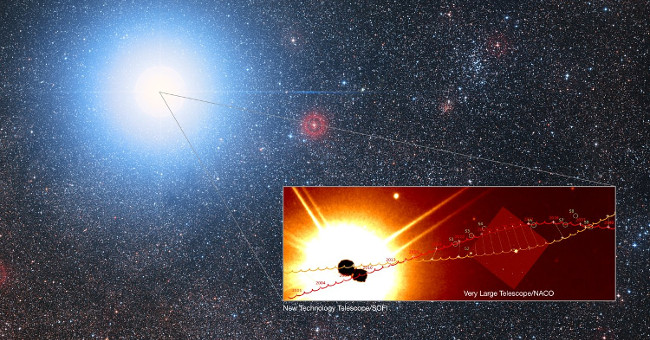
Researchers can detect conditions that are most relevant to life on the nearest Earth star system in rare gravitational lens events.

The United States has arrested a group of German Nazi rocket scientists after World War II to serve this project. They used the German V-2 rocket, mounted it on the Devr…
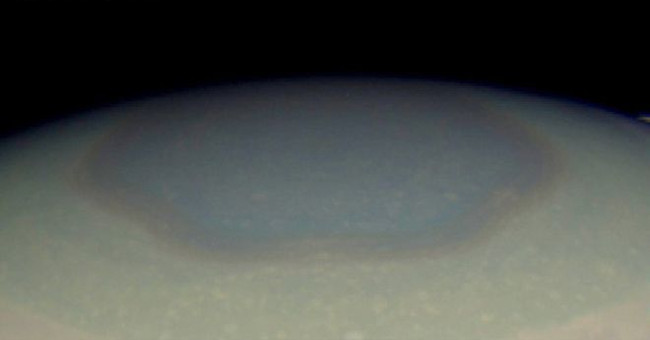
Sunlight increases when Saturn turns to summer, creating aerosols inside the hexagon cloud, causing it to turn yellow.
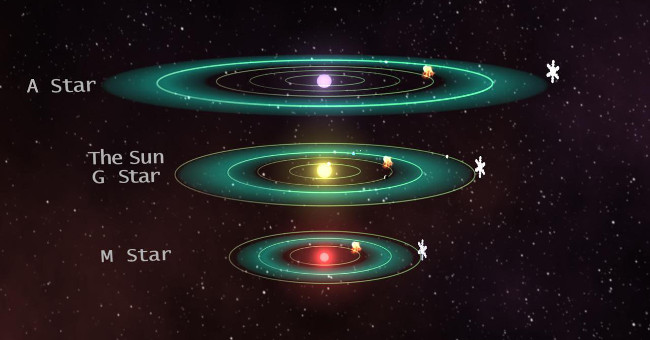
There are many characteristics that can make a planet difficult to survive, a new study shows that:
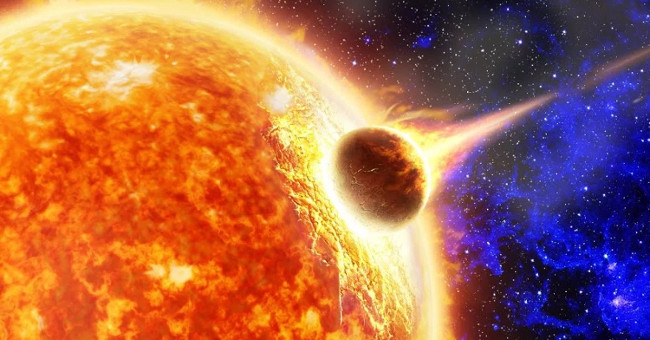
The consequences of comets hitting the Earth are so well known. But what if the Sun becomes a victim?
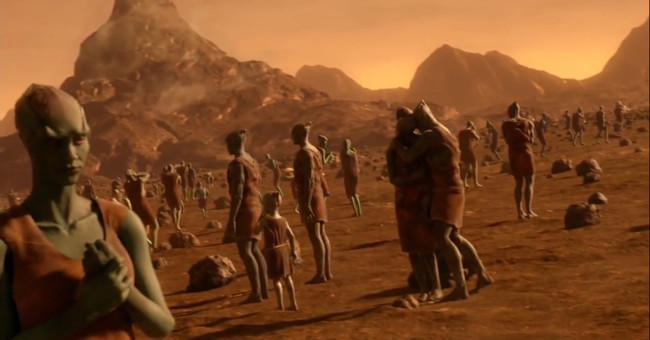
In many fantasy films, people born on Mars will have weaker bones than normal, so they won't tolerate gravity on Earth.
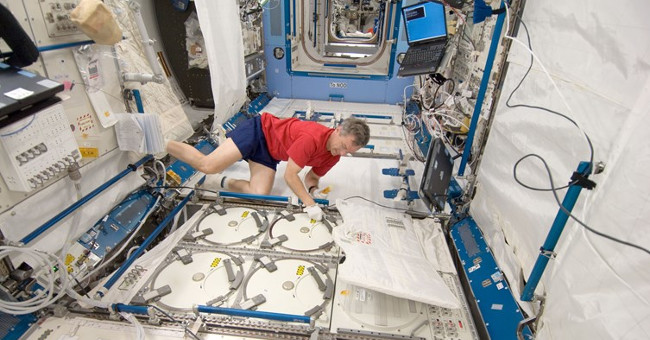
For the first time in the history of the International Space Station, there is a separate YouTube channel that transmits images to Earth 24/7.