Space science
The most powerful 'cosmic flare' is shooting straight at Earth
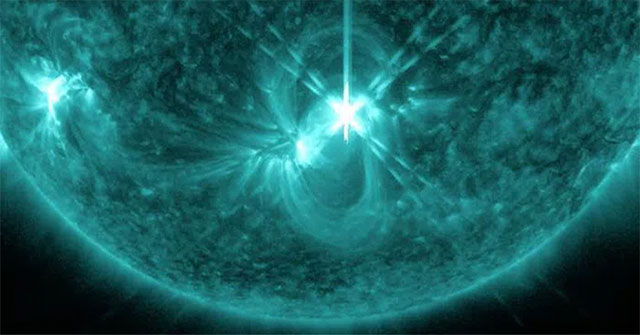
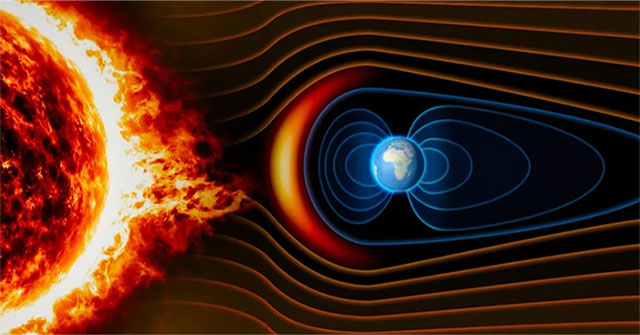
Following the X-type cosmic flare could be a space bomb - a orbiting mass ejection (CME) - that ignited the Earth. The culprit continues to be our ferocious mother star.
Browse ScienceInfo articles and explainers related to Earth.
6,634 published items.
Following the X-type cosmic flare could be a space bomb - a orbiting mass ejection (CME) - that ignited the Earth. The culprit continues to be our ferocious mother star.
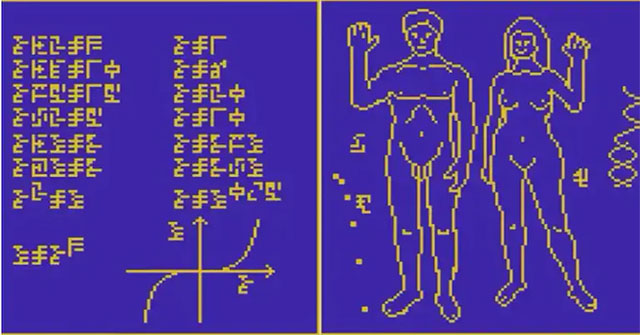
NASA intends to send a message into the Milky Way to help aliens locate Earth with this image.
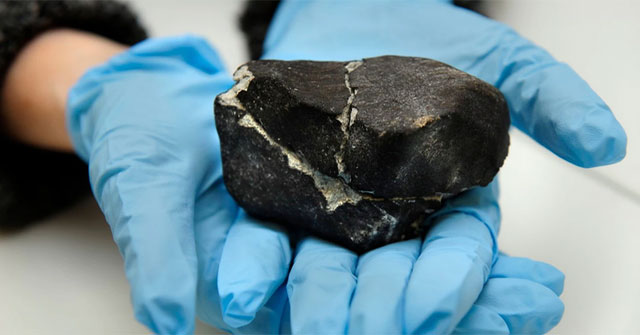
The team argues that nucleobases on meteorites 'contributed to the formation of genetic characteristics of early life forms on Earth'.
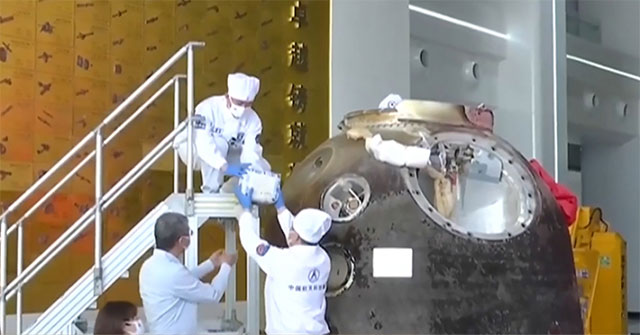
About 12,000 seeds brought back to Earth by the Shenzhou spacecraft from the Tiangong space station will be planted for research and breeding purposes.
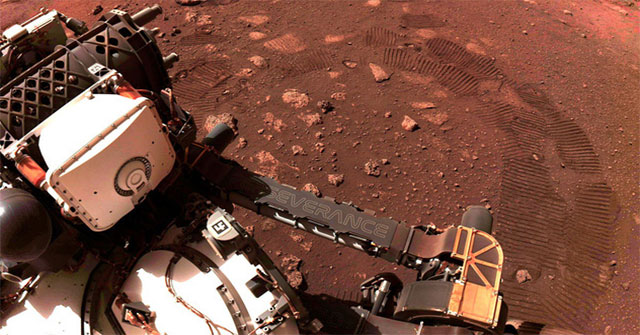
NASA is planning to bring rocks from Mars to Earth.
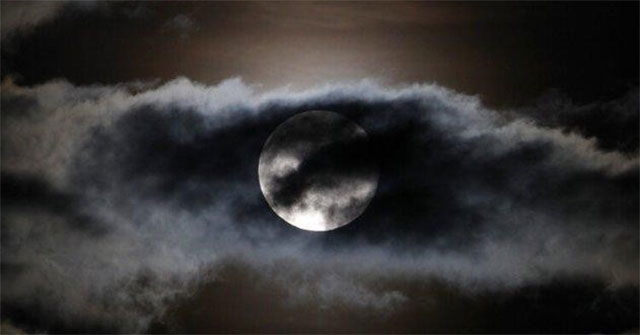
On some days in May, around the year 1110, the moon completely disappeared from Earth's sky.
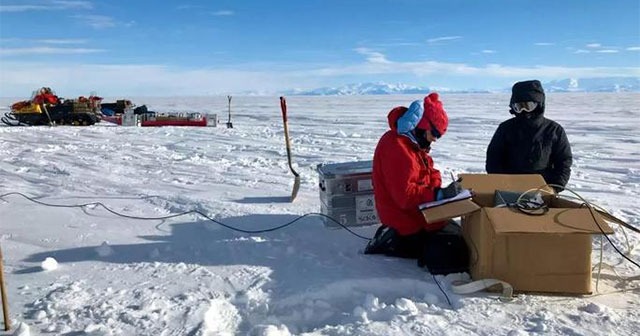
According to Live Science, it's a vast ocean aquifer that may have been sealed off from the outside world for thousands of years.

Video recorded by locals from the port city of Zhoushan, China, shows the sky turning crimson under a thick layer of fog.

What happened to the Earth-bearing galaxy billions of years ago has been reproduced by two galaxies, NGC 1512 and NGC 1510.
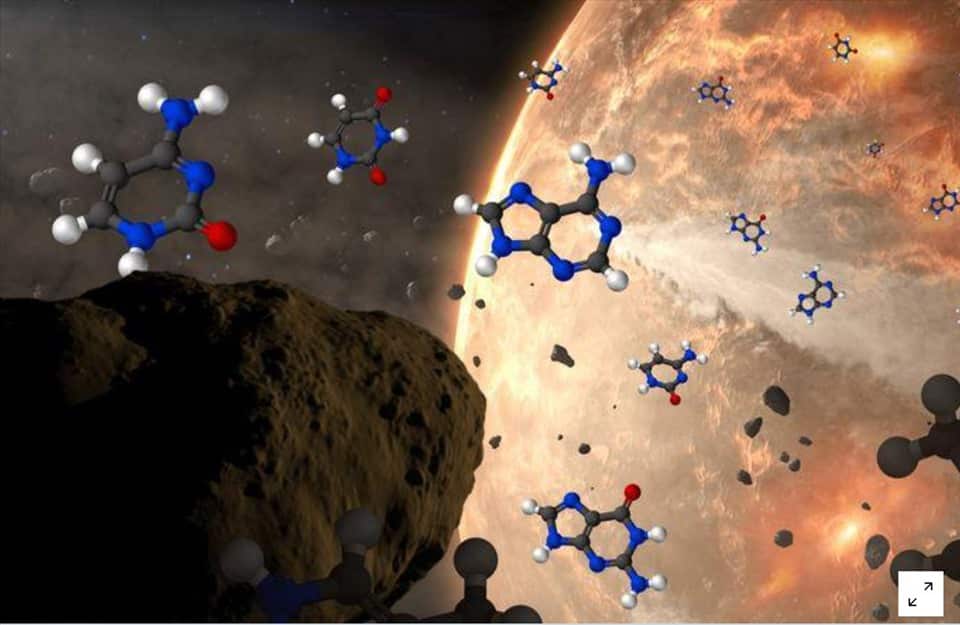
crashed into the US, Canada and Australia, thereby supporting the hypothesis that similar objects in space may have reached Earth very early.
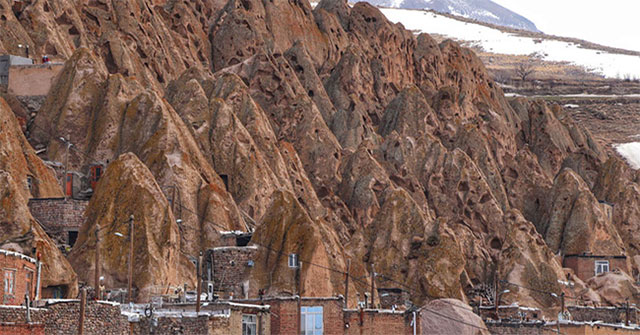
Kandovan is the only cliff-top village in the world inhabited by people. At first glance, the village seems scary, but here life is peaceful, in harmony between nature a…
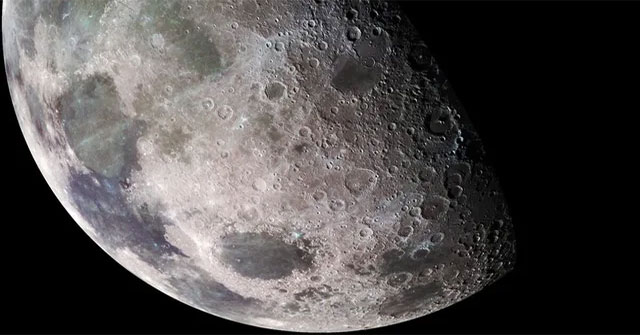
Over the past billions of years, Earth may have dumped about 3,500 cubic kilometers of water onto the Moon's poles.
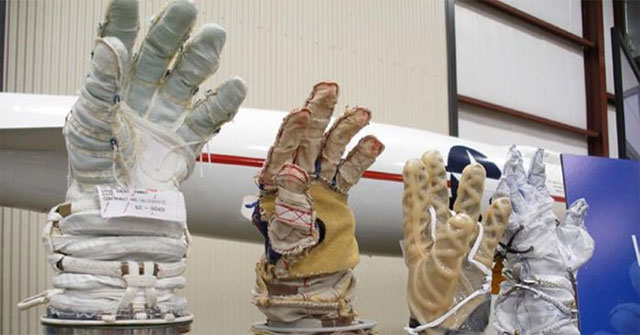
Microsoft and Hewlett Packard Enterprise (HSE) are working with NASA scientists to develop an AI system to test astronauts' gloves.
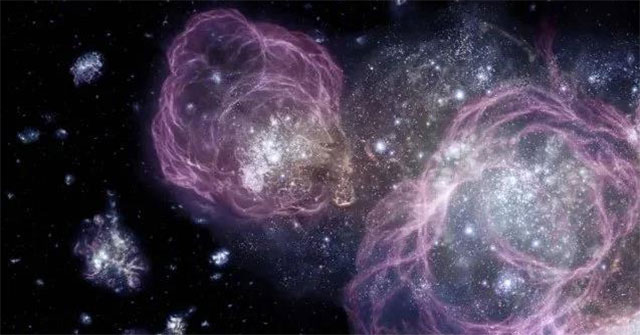
The endless space around our little Earth may not last forever, but is slowly entering a period of stagnation and degeneration, US researchers have revealed.
The researchers think that the solar wind produces water vapor on the asteroids. When they collide with the Earth, they provide a large amount of water.