Space science
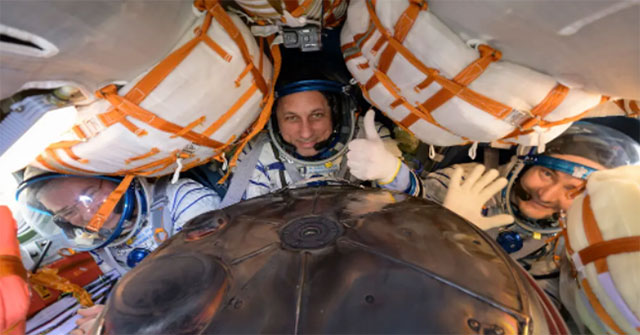
What would the space station be without Russia?
In the weeks since the war in Ukraine, the International Space Station (ISS) has been seen as a symbol of cooperation for the sake of science and non-politics.
Browse ScienceInfo articles and explainers related to Earth.
6,634 published items.
In the weeks since the war in Ukraine, the International Space Station (ISS) has been seen as a symbol of cooperation for the sake of science and non-politics.
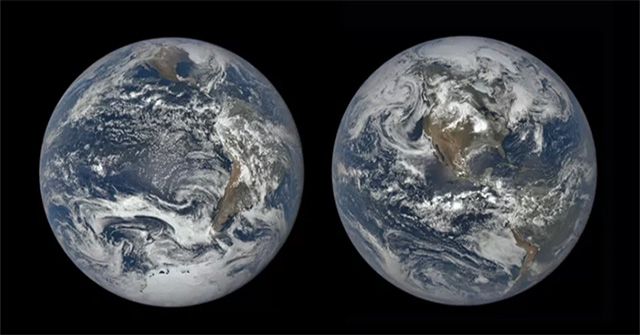
In fact, most planets and moons are not perfectly round, but are often distorted in one way or another.
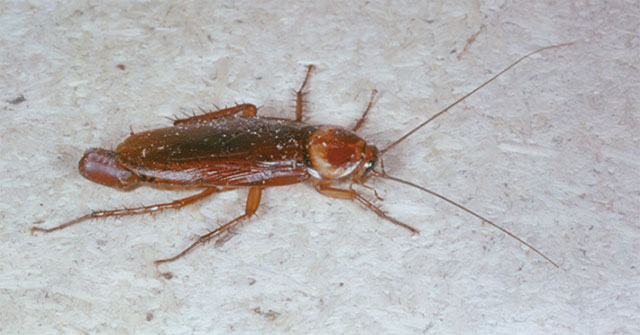
Thanks to their special body structure and diverse food, cockroaches have survived many disasters and harsh conditions that have brought other creatures to extinction.
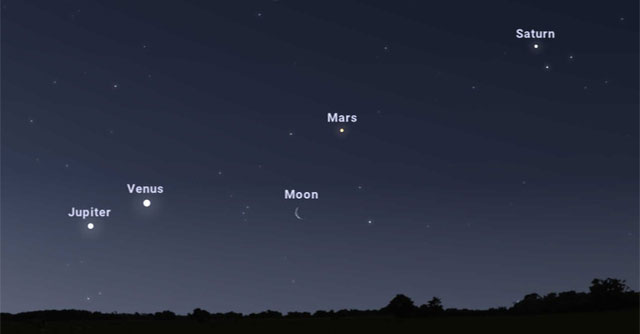
Entering April, Earth will have the opportunity to witness a beautiful scene in the sky, when 4 of the 5 brightest planets in the solar system appear to align in the ear…

An ancient event caused the Earth's crust to partially melt, creating openings that let helium-3 treasure from the planet's heart gradually escape.
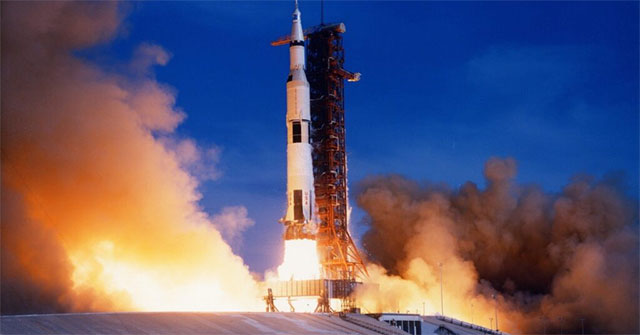
Those of you who often follow space missions will certainly often see space rockets with many stages, here's why they are so
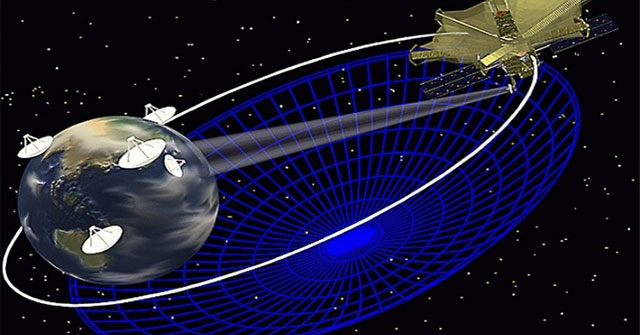
China will launch an observatory orbiting the Moon to create a radio telescope with a diameter of 400,000 km.

NASA scientist raised the idea of making hollow bricks suspended at an altitude of 48 km on Venus, forming the foundation to build a city.

Now, astronomers are edging closer to uncovering one of the biggest mysteries in decades - the ninth planet in the Solar System - a giant planet, which may be orbiting t…
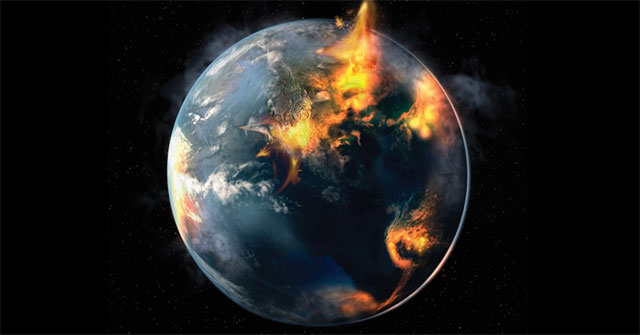
A series of terrifying natural disasters and mass extinction events have revealed the Earth's heartbeat - a cycle of 27.5 million years that is completely extreme.
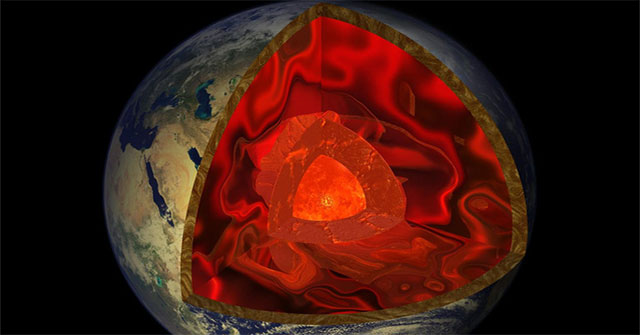
The new discovery of a looping effect between earthquakes and the movement of pieces of the Earth's crust raises concerns about unpredictable catastrophes and presents a…

China's Mars rover sends back to Earth a new selfie, showing a dusty surface and long rear wheel tracks.
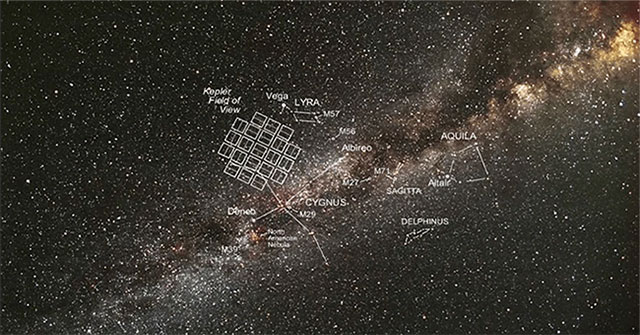
This discovery brings the total number of habitable, near-Earth-sized exoplanets to about 50.
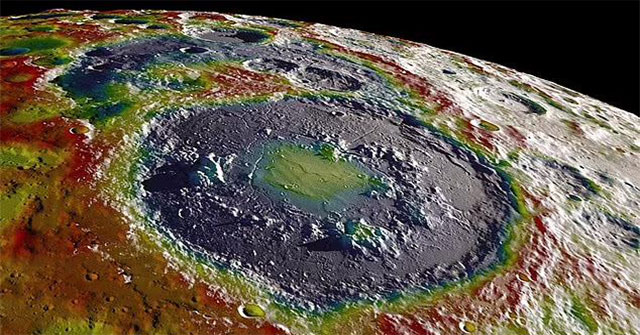
New research has found evidence of ice in permanently obscured impact craters on the Moon, which may have helped sustain the first extraterrestrial settlements.
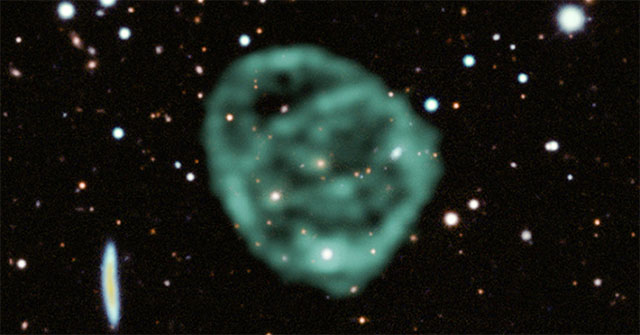
The MeerKAT Radio Telescope has sent back to Earth a stunning update of the mysterious radio circle known as ORC1.