1001 mystery
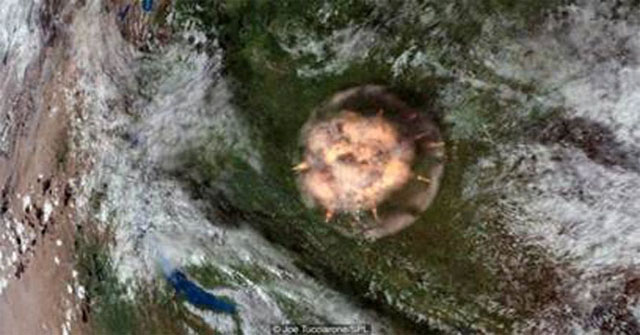
Mystery of the biggest explosion in history, is it a message from space?
The terrible Tunguska explosion flattened about 80 million trees on an area of 2,150 square kilometers, but no one knows where it originated.
Browse ScienceInfo articles and explainers related to Earth.
6,634 published items.
The terrible Tunguska explosion flattened about 80 million trees on an area of 2,150 square kilometers, but no one knows where it originated.
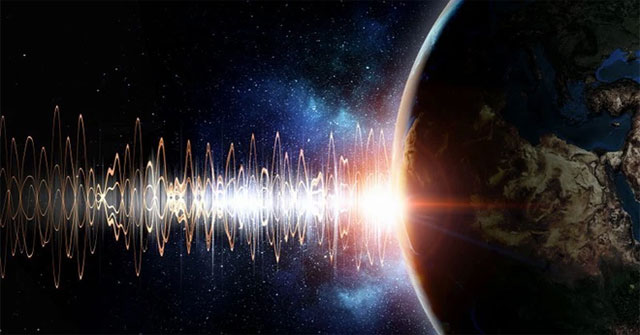
Since the early 60s, scientists have discovered strange beats. The mystery still exists until now without a satisfactory answer.
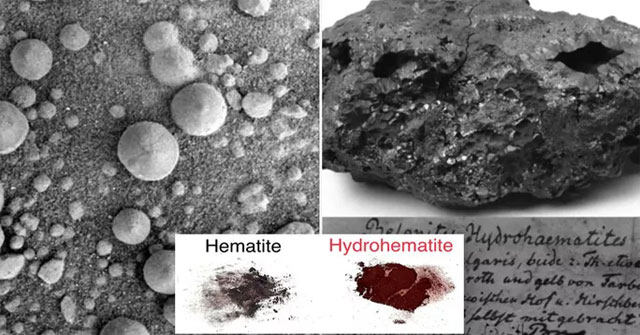
Objects in NASA's early images of the surface of Mars - round structures thought to be lower organisms, others to be rocks - may be hydrohematite.
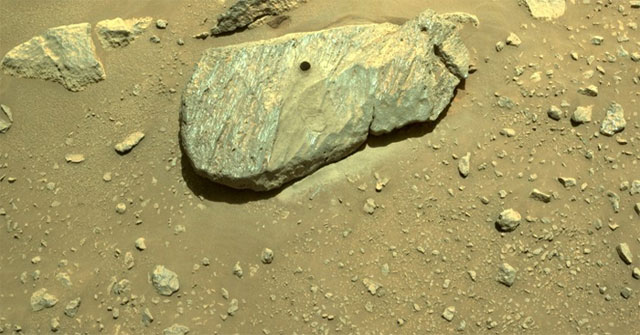
NASA's Perseverance rover has collected soil and rock samples on Mars to bring back to Earth for research.
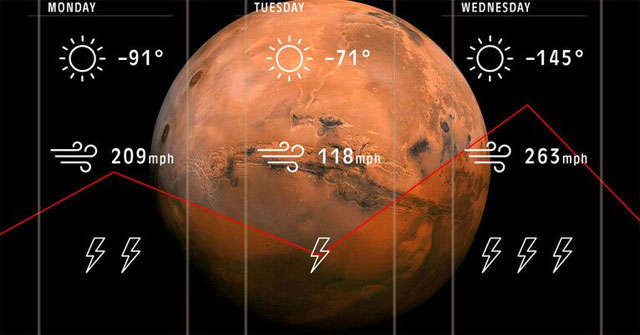
When scientists study missions to nearby planets, they need accurate weather forecasts. Otherwise, the trips could turn out to be 'disastrous'.
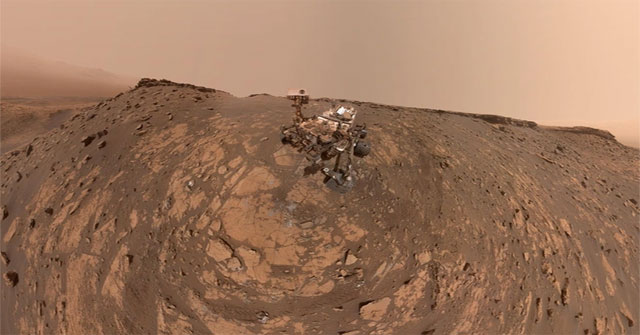
Mars doesn't have a magnetic shield and a thick atmosphere like Earth's, so radiation can hit the surface. However, recently scientists have found some places on Mars th…
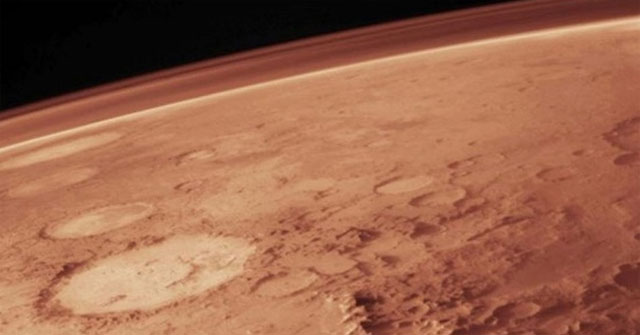
Supersonic drone with a speed of nearly 6,200 km / h, using magnesium fuel to burn carbon dioxide available in the red planet's atmosphere.
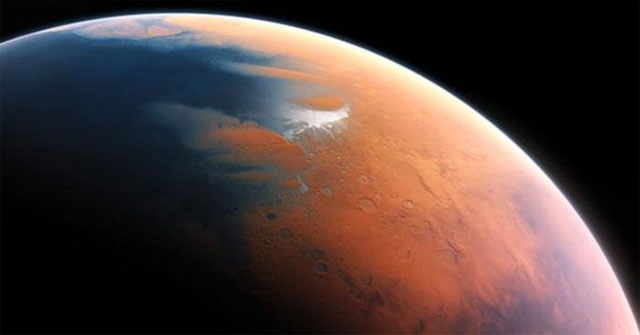
A planet that had a wetter start than Earth - a good sign because water is what sustains life - but isn't viable just because... it's a bit small.
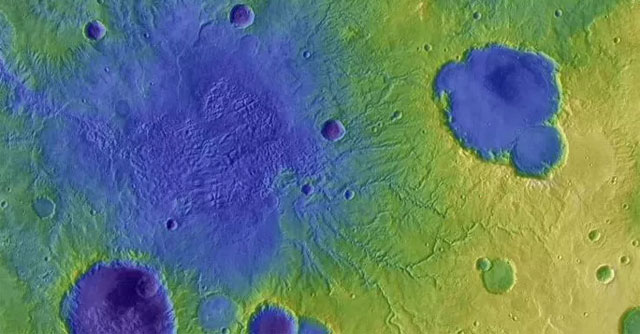
New research from the US shows that ancient Mars - the world thought to have been wetter than Earth - quickly and spectacularly possessed river valleys similar to ours.

Perseverance robot, Chuc Dung, Ingenuity helicopter, ... reconnect with Earth and continue the mission to explore the red planet.
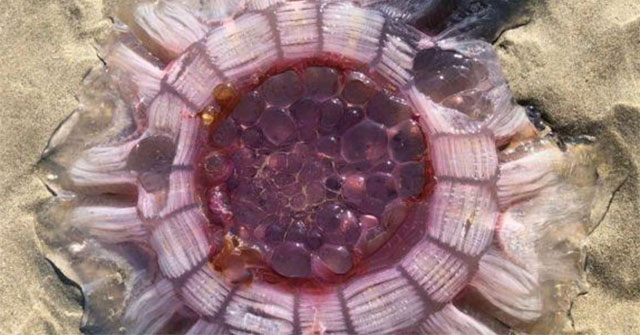
While taking his wife and children to Little Manly beach in Auckland, New Zealand, Adam Dickinson's family encountered many strange objects that looked like cars.
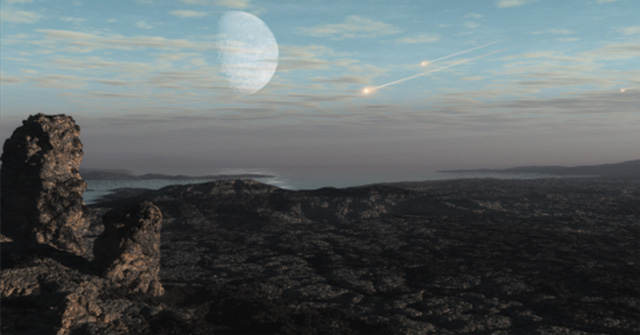
A team of scientists from the US and Japan has found traces of a series of ancient asteroids that hit the Earth during the Paleozoic, causing the Earth to become breathl…
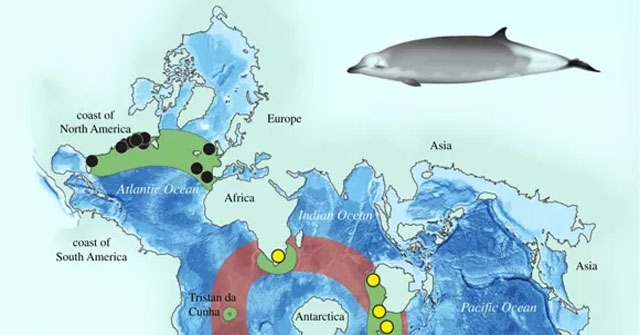
The new species, named Mesoplodon eueu, occurs throughout temperate seas in the Southern Hemisphere, according to surveys from sites off South Africa, Australia and New…
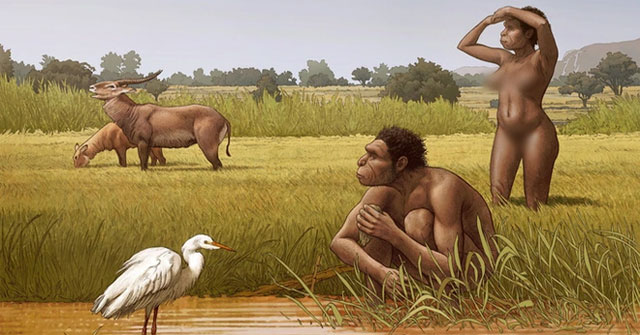
The new human species, Homo bodoensis, roamed the Earth half a million years ago, the ancestor
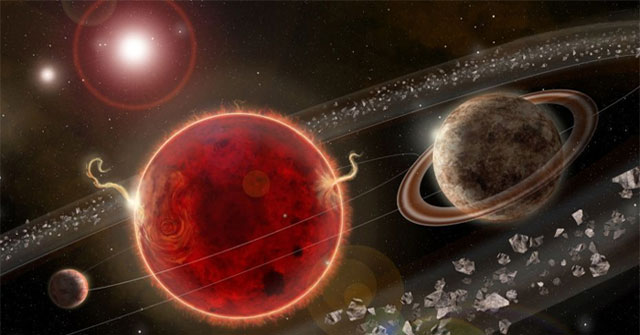
Scientists have just given the final answer to the signal that stirred astronomers in 2019 from the Proxima Centauri star system, which has a planet thought to be habita…