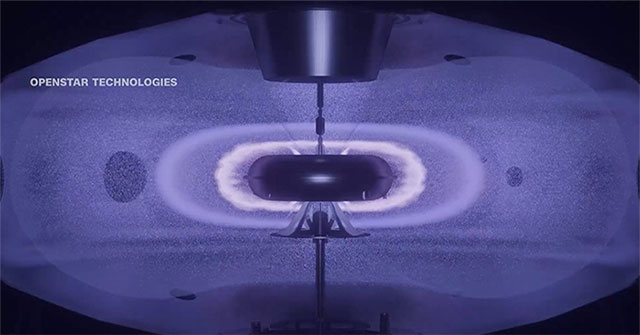
New technology
New Zealand company moves closer to unlimited fusion energy
A New Zealand company is trying to recreate the energy of a star on Earth, using a new type of fusion reactor.
Browse ScienceInfo articles and explainers related to Energy.
2,772 published items.
A New Zealand company is trying to recreate the energy of a star on Earth, using a new type of fusion reactor.

Your body could become a battery for wearable devices thanks to a breakthrough in harvesting waste energy from 6G wireless communications networks.
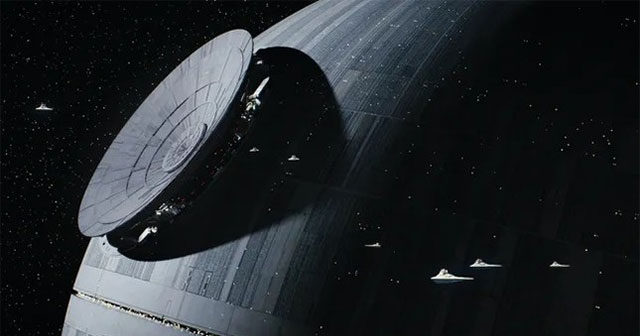
Chinese scientists claim they have created a focused energy beam weapon.
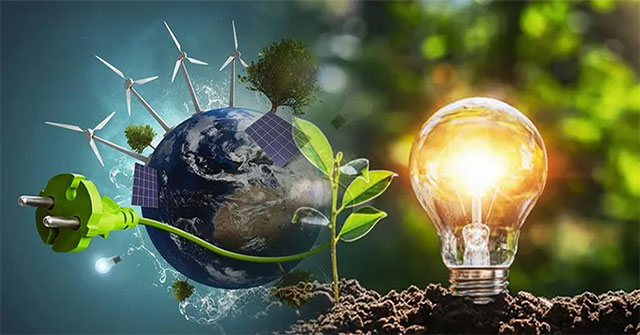
Understanding the mechanism of geobatteries will help people have a broader perspective on wetland ecosystems, thereby approaching new ways to combat climate change.
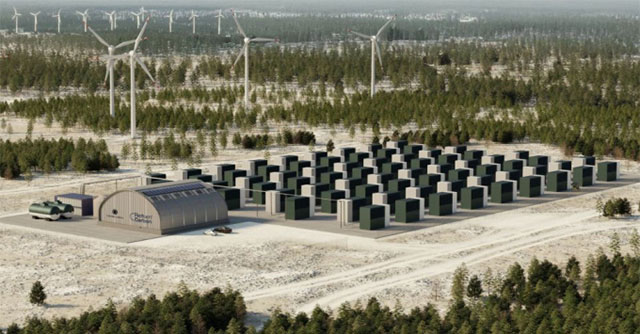
The Concho facility is expected to remove 500,000 tons of CO2 per year from the atmosphere and bury it underground, helping to combat climate change.

There are countless unsolved mysteries in the scientific community, and one of the most mysterious phenomena is anti-gravity fuel.
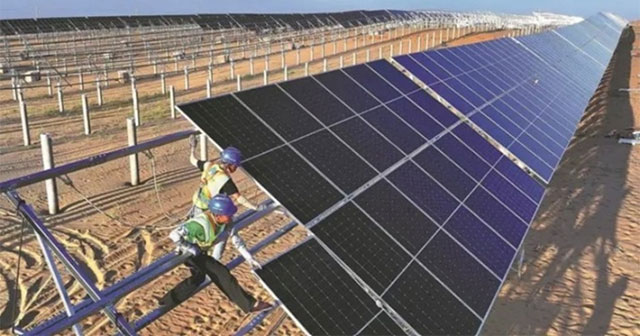
The 133km long and 25km wide solar wall in Inner Mongolia will produce enough electricity to meet Beijing's annual needs.

There has always been some idea that the energy released from a nuclear bomb explosion around the world could destroy the Earth N times over! But is this really true?
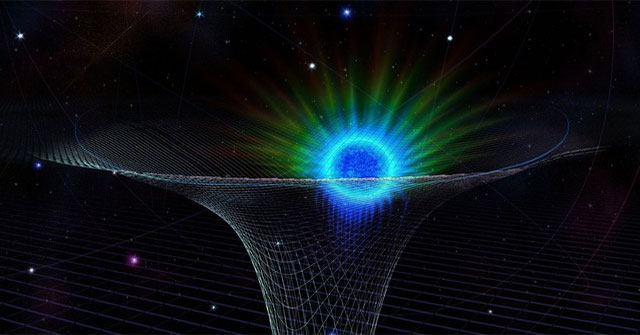
In the vast universe, countless galaxies and planets intertwine with mysterious puzzles, the most fascinating of which are the curvature of space and parallel universes.
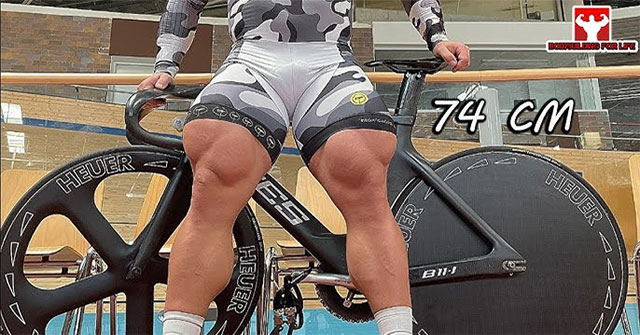
The video visually demonstrates the gap between the energy we consume and the energy we can produce.
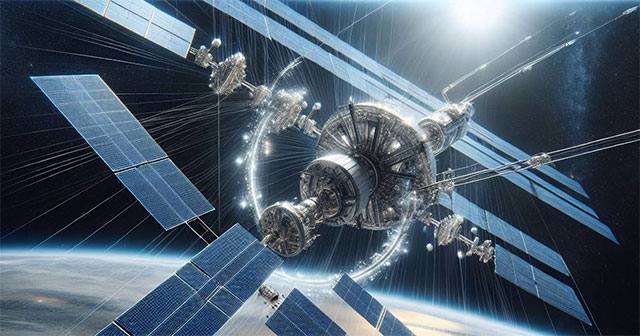
People have been thinking about the option and possibilities of solar power from space for many years. This could become a reality in just a few years in Iceland.
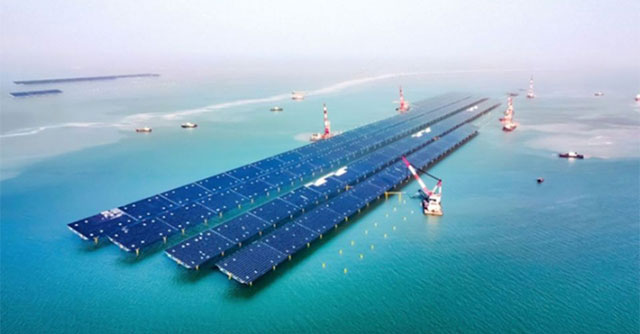
Chinese state-owned company CHN Energy announced on November 13 that its 1 GW offshore solar farm has started generating electricity.
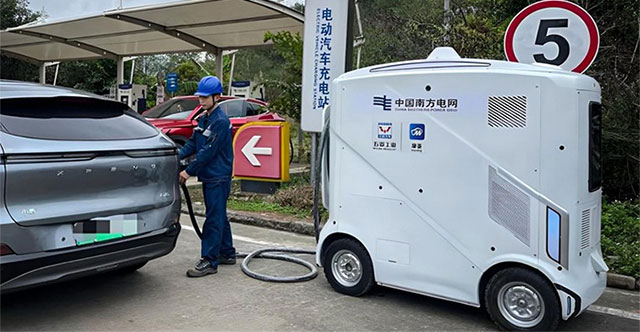
Chinese electric car giant Wuling has just launched a new step forward in mobile charging station technology for electric vehicles (EVs).
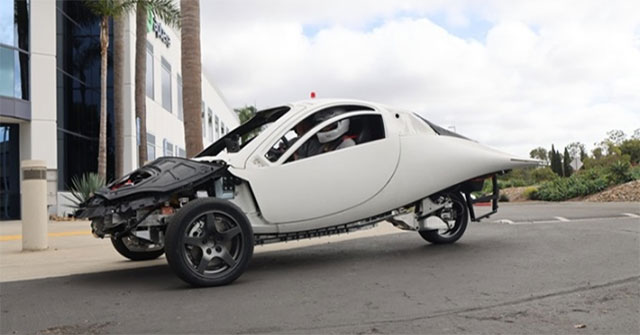
Aptera Motors' new model uses solar energy from photovoltaic cells and an integrated battery pack that allows the car to reach a range of up to 1,600 km on a full charge.

The Captain Arctic cruise ship has five large sails 35m high, covered with 2,000m2 of solar panels to help exploit clean energy.