Animal world
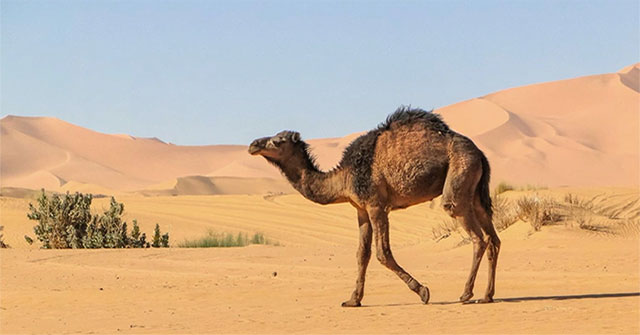
Camels how to survive in the barren desert?
Camels live in one of the harshest environments on the planet. What is their secret to survival?
Browse ScienceInfo articles and explainers related to Environment.
2,126 published items.
Camels live in one of the harshest environments on the planet. What is their secret to survival?
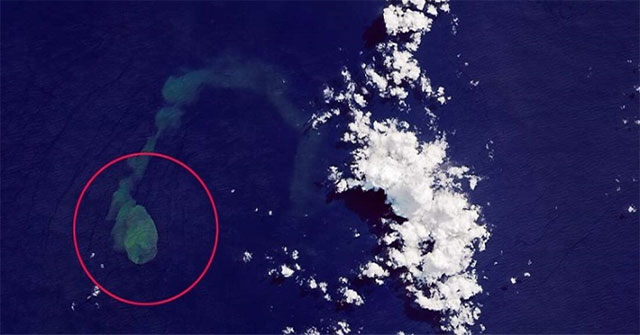
An underground volcano in the Solomon Islands, nicknamed the 'shark volcano' because of two species of sharks that live in a submerged crater, are about to erupt in the…

One became a government employee while the other was a chef. Their IQs differed by up to 16 points, while genes, diseases and personalities remained the same.

Biological processes in the weightless environment take place in a different way than on Earth, adaptive mechanisms in the human body must be rebuilt.
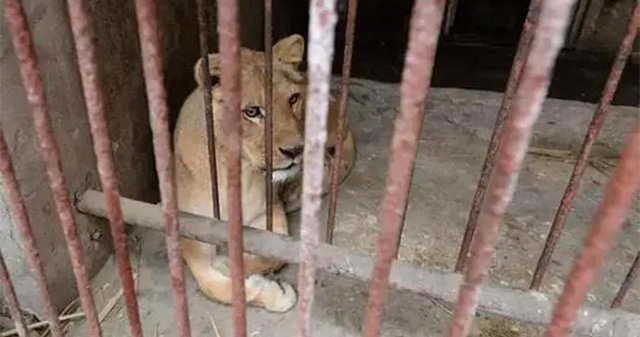
Is depression unique to humans? Of course not! Because many animals in captivity also suffer from 'depression'.

For the first time since 1923, leaded gasoline was removed from the global market on August 30, 2021. This is a milestone for health care and the environment...

This machine is said to have a small cost and less impact on the environment than using traditional rockets. Expectedly, catapult

Japanese scientists discovered that squid can change color in a split second to hide in its surroundings, in order to evade predators.

SpaceX's Axiom Mission 1 mission on April 6 will bring a special device to the International Space Station (ISS) to research making meat in a zero-gravity environment.
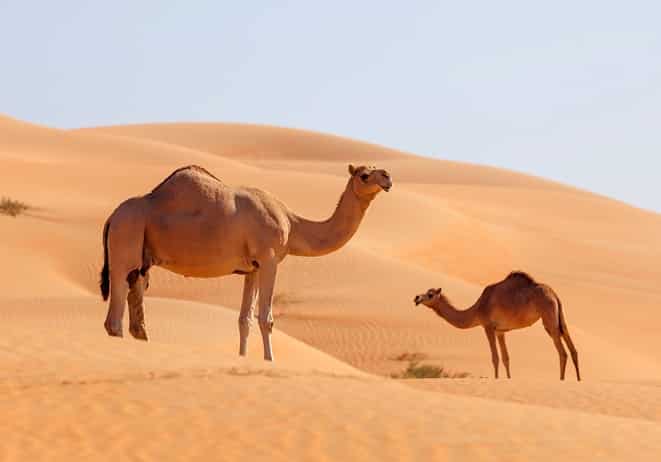
Camels are known as 'ships in the desert', they can survive in the desert as well as in hot environments.

Where you grew up can shape your navigation skills
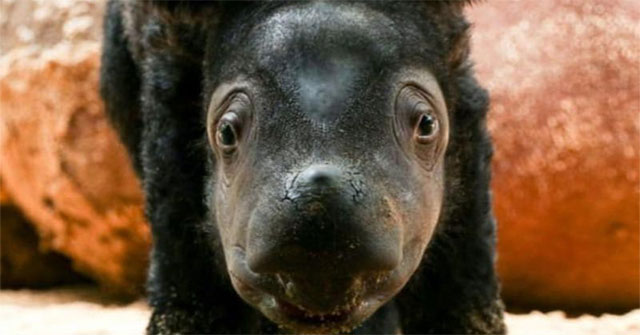
A rare Sumatran rhinoceros has been born in Way Kambas National Park in Indonesia, offering hope for the conservation of endangered animals.

Yet another dangerous effect of plastic pollution on ecosystems and the health of many living species.
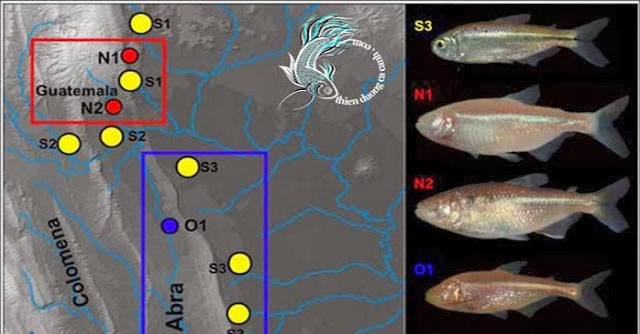
For thousands of years, cave fishes have continuously evolved and adapted in a dark underground world that is as obvious as having no eyes and pale colors.
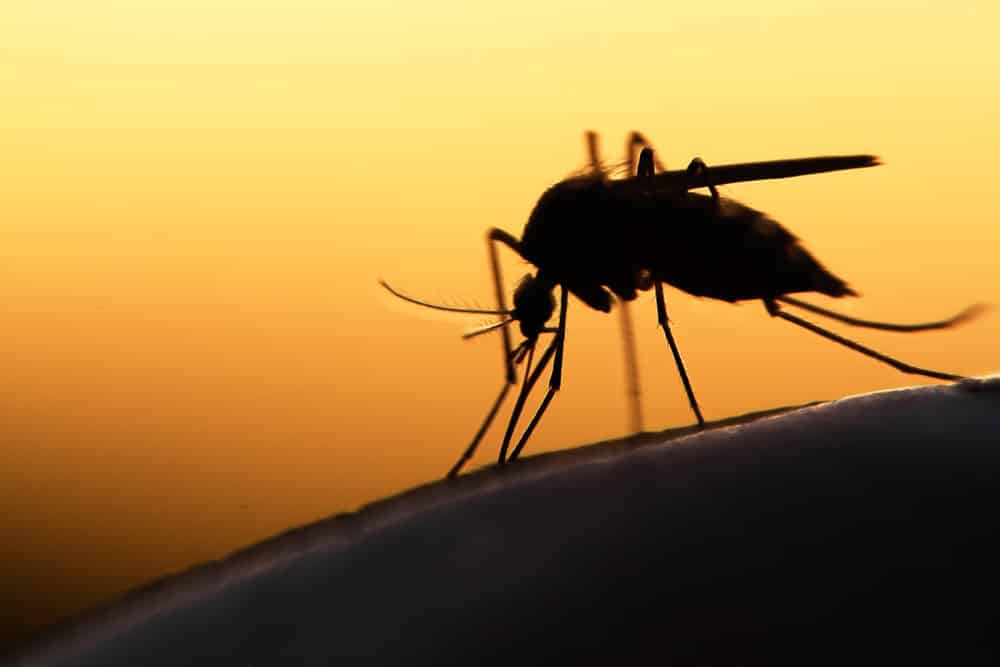
Recently, the US Environmental Protection Agency (EPA) approved the release of about 2.4 million genetically modified male mosquitoes in two states of Florida and