Archeology
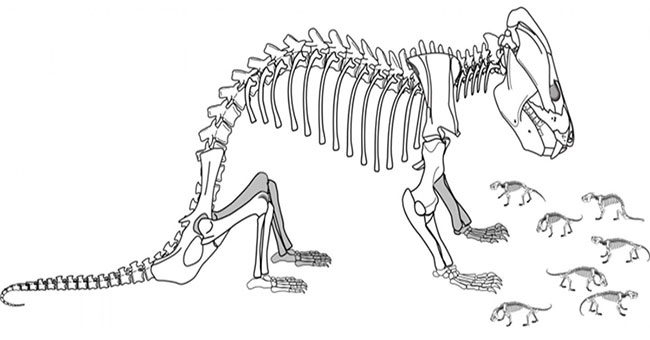
185 million year fossils of ancient organisms have 38 children
Scientists discovered fossils of an extinct creature with her cubs 185 million years ago.
Browse ScienceInfo articles and explainers related to Evolution.
634 published items.
Scientists discovered fossils of an extinct creature with her cubs 185 million years ago.
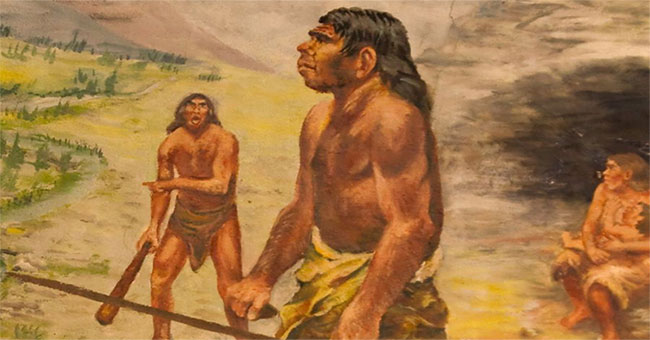
Previously, scientists believed that the FOXP2 gene, was associated with the development of speech. It is this gene that explains why modern humans have the advantage of…
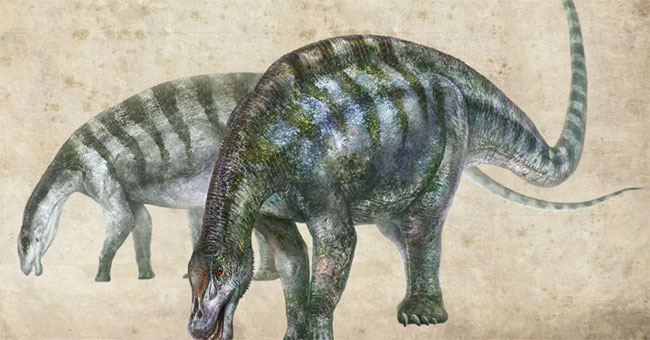
A 'magic dragon' fossil that was found in China can rewrite the history of the evolution of the largest monsters that roamed the Earth.
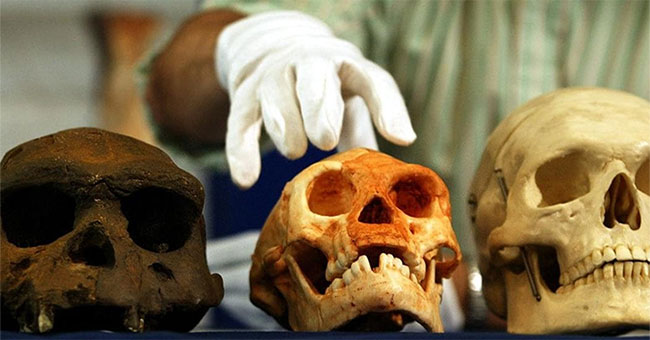
According to the latest research, it is the adaptation to many different types of weather that makes the smart people win the race to evolve species.
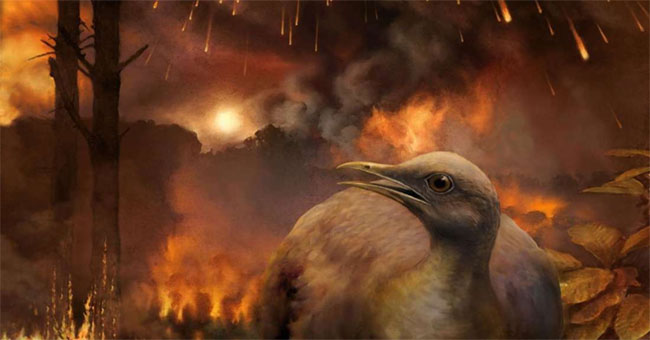
About 66 million years ago, a giant meteorite hit Earth, wiping out three-quarters of all organisms on Earth, and warming the climate for 100,000 years.
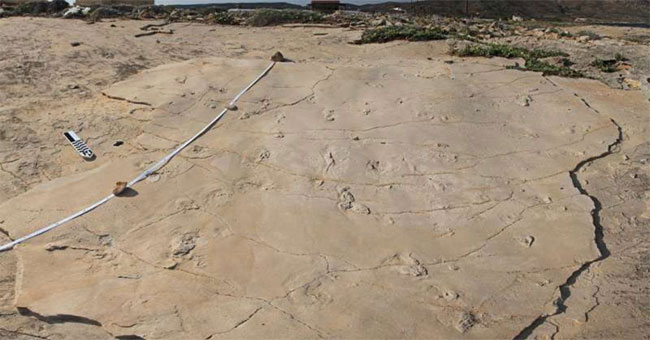
Scientists with the discovery of Australopithecus fossils in southern and eastern Africa in the mid-20th century have suggested that human origins originate in Africa.

University of Charleston scientists recreated the evolution as well as outlined the face and shape of this upturned nose mammal.
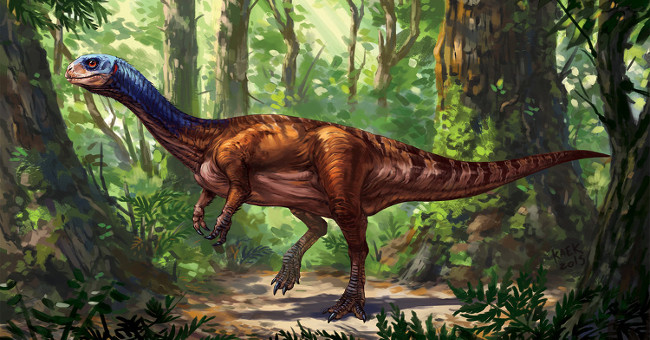
Early scientists believed that Chilesaurus was a carnivorous dinosaur, based on its external appearance. However, this exotic dinosaur is actually a vegetarian.
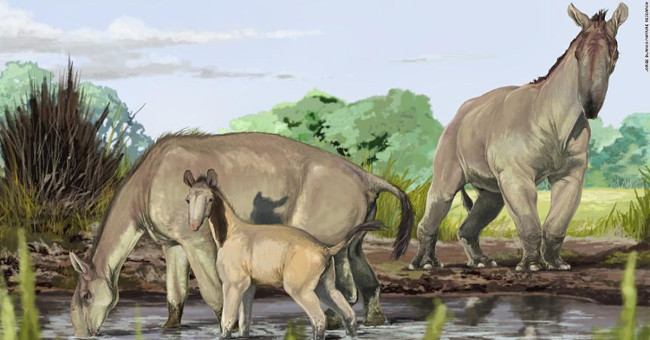
The animal that possessed the characteristics of many species that once had Charles Darwin's head was identified by the scientific community on the evolutionary tree.
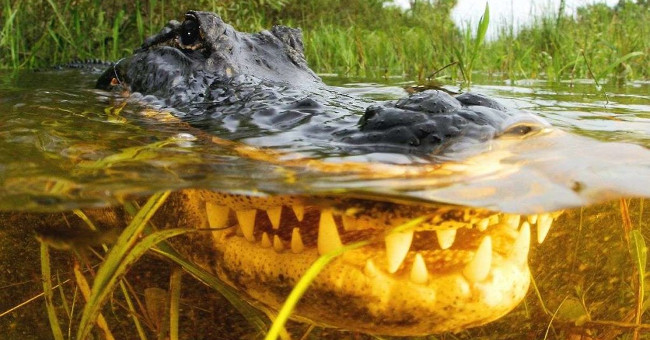
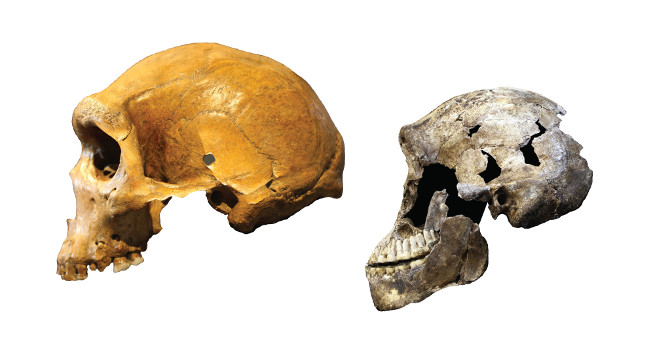
Homo naledi fossil dating is found in South Africa and corpses can reverse scientific knowledge of evolution.
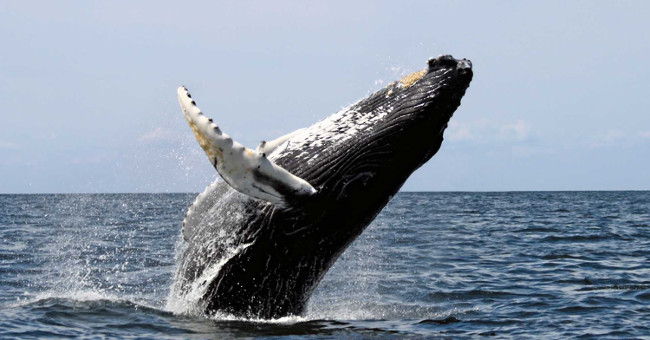
Baleen whales are the largest mammals on Earth, including species such as blue whales or humpback whales.
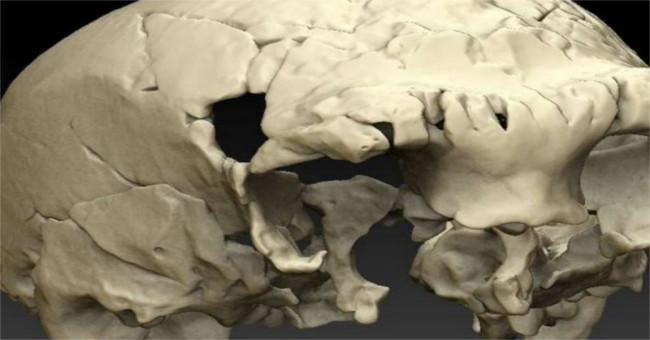
A skull fossil dating back to about 400,000 years old discovered in Portugal is making scientists debate the ancestors of modern humans and human evolution.
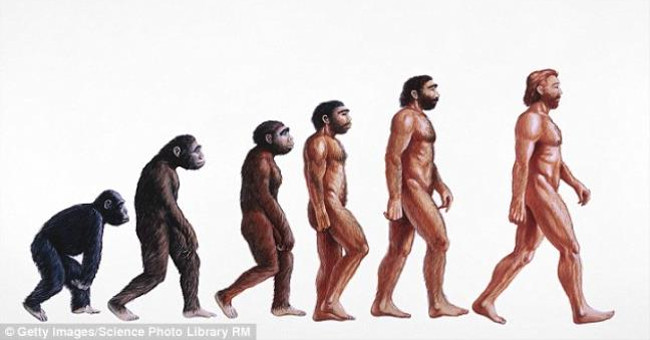
Evolution is a very long process but not perfect. This is true even for humans.

People in evolution have lost their tails. However, a recent study shows that we have lost the tail, not just one but twice.