Biology
Russia first decoded DNA of ancient trunk
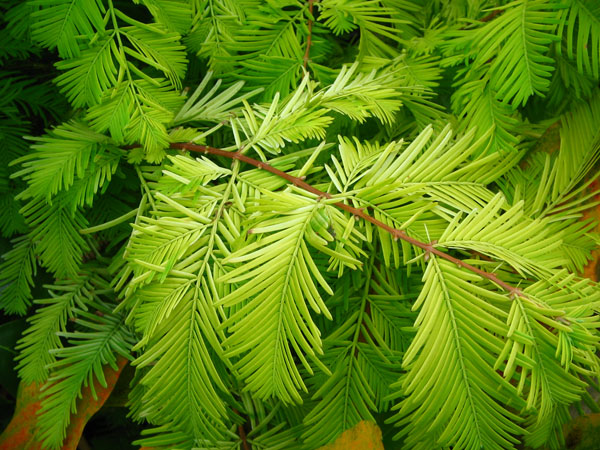
Russian scientists have for the first time deciphered the DNA sequence of the ancient timber tree Metasequoia whose remains are found on Axel Heiberg Island, north of Ca…
Browse ScienceInfo articles and explainers related to Evolution.
634 published items.
Russian scientists have for the first time deciphered the DNA sequence of the ancient timber tree Metasequoia whose remains are found on Axel Heiberg Island, north of Ca…

Researchers at the University of Sussex, England discovered in colonies Jatai bees with soldier bees. This is the first study of soldier bees published in PNAS.
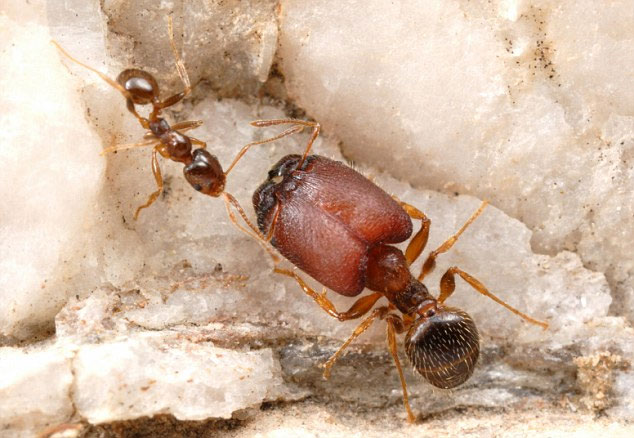
The ants 'monsters' with their heads and large jaws have been created by scientists by activating ancient genes.
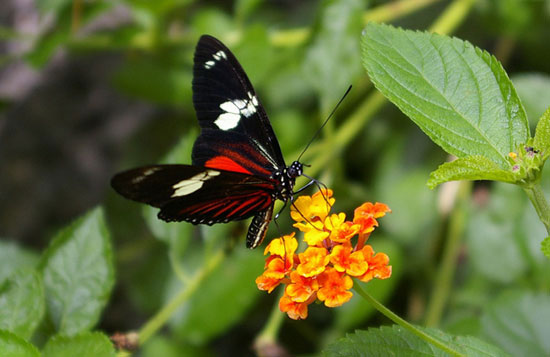
In the past 150 years, scientists have always tried to explain the convergent evolution. One of the famous examples of this is how poisonous butterflies from different s…
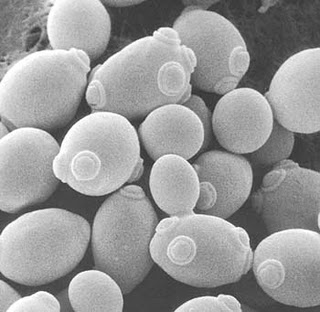
For a long time, biologists have been trying to understand the origin of complex life forms from single-celled microorganisms that evolved into reproductive forms of mul…
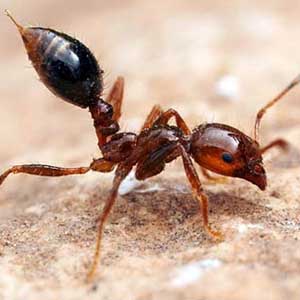
Over 100 million years of presence on Earth, ants are not nearly as evolutionary as their ancestors.
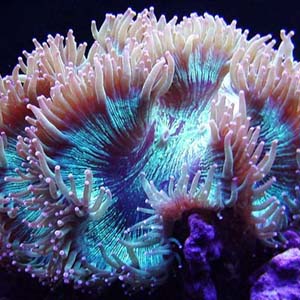
10 species of tropical coral have the most evolutionary and most endangered evolution in the world (EDGE), according to a new report by scientists from London Zoology As…
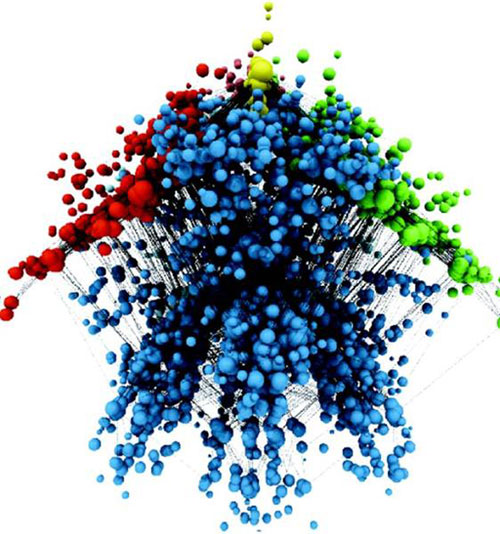
Water (H2O) is a liquid that has nothing to discuss. But when studying at the molecular scale ...
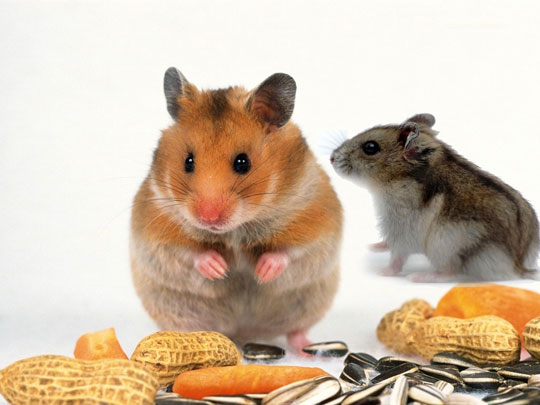
About a fifth of the rat species are new versions that appear in the past 90 million years of evolution.

There is a sex gene, found in all animals whose function has virtually unchanged during evolution.
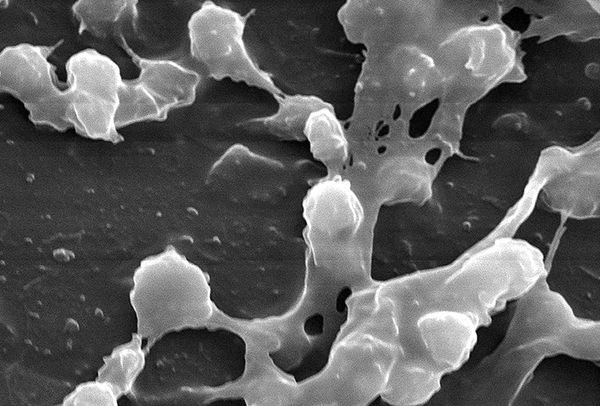
Scientists have declared: bacteria have a nose and are able to smell. This is considered a surprising discovery about evolution.

Humans and some other animals will become extinct in the next 100 years as the population booms and consumerism grows unrestrained.

Life on a height of 4,900 m forces Tibetans to evolve very quickly to survive.

Italian scientists have said they have found evidence to show how the virus changes the evolution of humanity.

Finally scientists also solved the question, how can a small organism flourish during the past 50 million years without mating?