Archeology
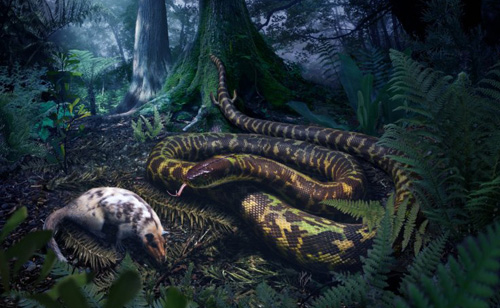
The first snakes in the world can ever have legs
American scientists believe that the world's first snakes have small hind legs, ankles and even toes.
Browse ScienceInfo articles and explainers related to Evolutionary.
252 published items.
American scientists believe that the world's first snakes have small hind legs, ankles and even toes.
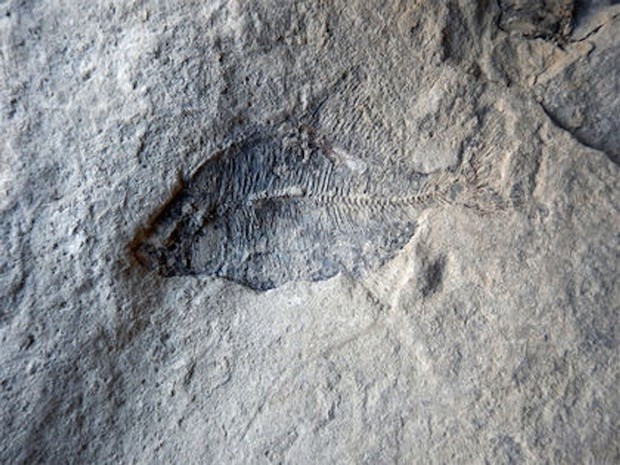
In Canada, a fossil is believed to be the most important for the country's paleontological background. Ironically, the fossil discoverer was Edgar Nernberg, Canada's lea…

Recently, paleontologists have found a connection between fish fins and human hands, contributing to confirming the evolutionary origin of our fish.
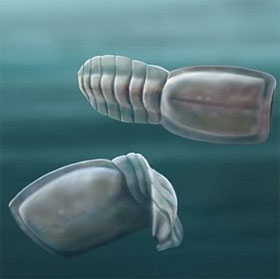
Scientists have just placed a bizarre marine creature living on the earth's oceans 500 million years ago into the group.


Scientists at the American Center for Evolutionary Research have reported that fossil bone fragments found by a bird in the state of South Carolina (USA) show that this…
The oldest known dolphin skull has been studied in the 1970s but has not been detailed, so the work continues.
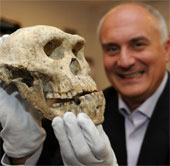
The 1.8-million-year-old skull discovered in Georgia could make experts reevaluate the entire evolution of humanity.

The new theory of evolution is highly controversial, including the hypothesis that human ancestors were aquatic primates that had more authentic evidence.

Scientists have unearthed fossil samples of gibbons and ancient world monkeys (Old World Monkeys) in the riverbed in Tanzania.
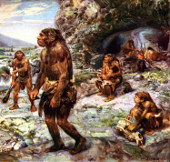
After Albert Perry - an African-American in the state of South Carolina, USA - died, one of his relatives brought his DNA sample to the Family Tree DNA company for analy…

Scientists explained that human ancestors began to use meat as food about 1.5 million years ago, meaning much earlier than current theories.
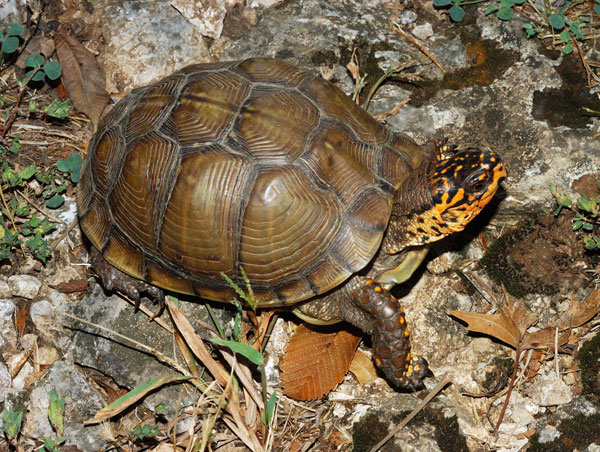
Scientists claim to have found an answer to a long-standing mystery about the evolution of animals when it is said that turtles are close relatives to crocodiles and bir…
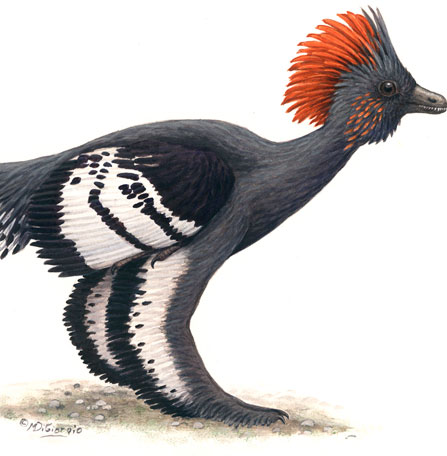
The first two authors of this study, Associate Professor Arkhat Abzhanov - an evolutionary biologist at Harvard University and Dr. Bhart Anjan Bhullar, found evidence th…
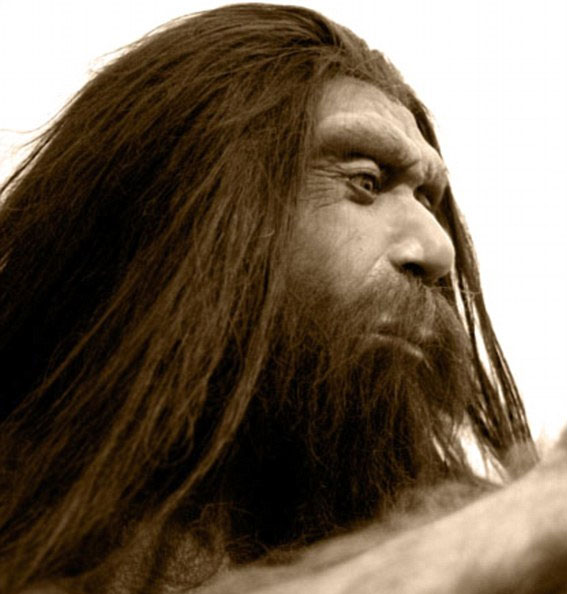
Now, researchers believe that they have explained the missing link in the evolutionary chain: a double gene named SRGAP2, which appears in the gibbon population about 2.…