
Discover science
Climate change makes organisms evolve faster
Scientists have shown that organisms can evolve faster to survive in the environment affected by climate change.
Browse ScienceInfo articles and explainers related to Evolve.
89 published items.
Scientists have shown that organisms can evolve faster to survive in the environment affected by climate change.
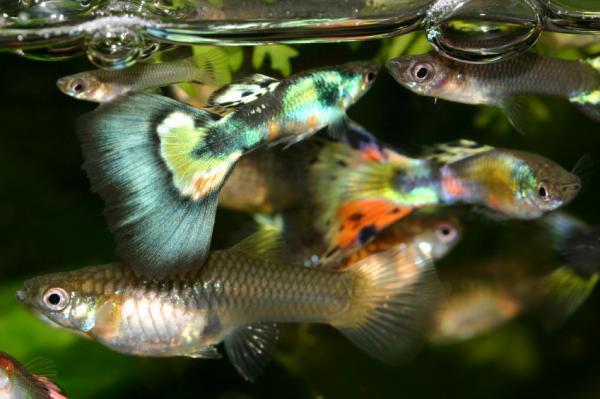
The secret to surviving the stages of environmental change is to evolve quickly.
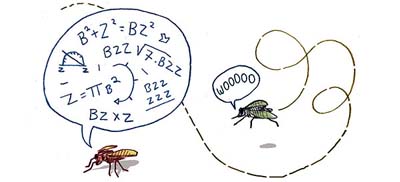
Dr. Kawecki thinks that each species evolves until it reaches a balance between benefits and the consequences of learning.
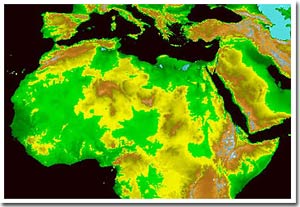
Science has long been investigating how climate and vegetation affect the evolution of human ancestors in Africa. But now geologists from the University of Utah point us…
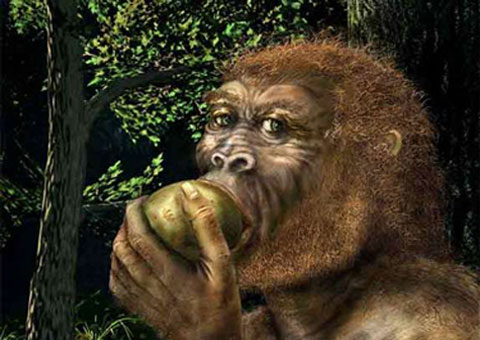
There is no doubt that a big brain has made people an absolute superiority in this world. But to maintain the brain to function normally, we have to pay an incredible pr…
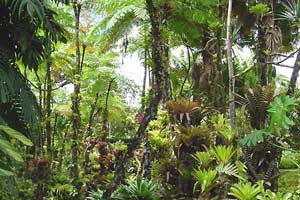
Tropical forests evolve twice as fast as their cousins in temperate regions. This may explain why tropical regions have more species than other regions.
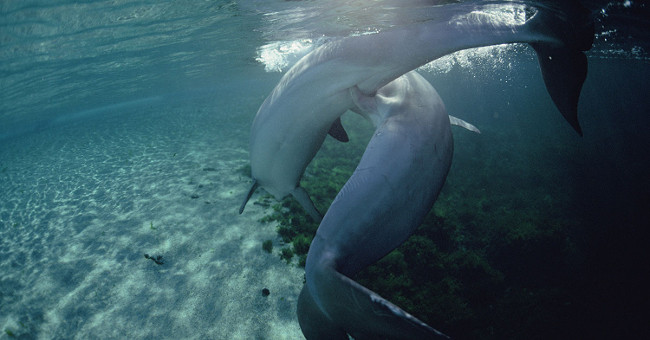
Some female dolphins evolve secret genital weapons to avoid conception with unwanted partners.
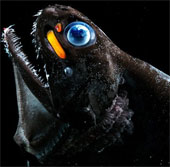
Arowanas are frightening creatures, living in dark waters of the bottom of the variable. Their habitats discourage the use of eyes to see or the ability to see colors.

How quickly can new species evolve? Research on starfish in Australia shows that this process can take place within 6,000 years.
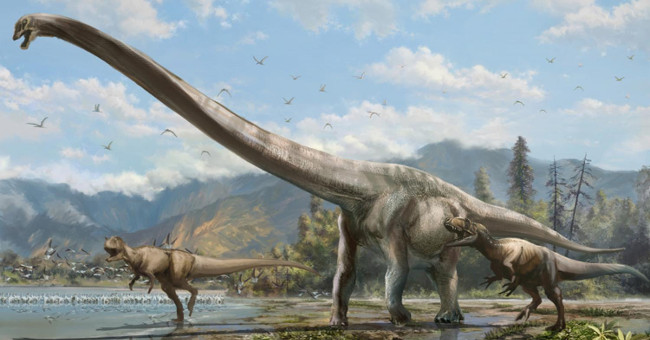
Scientists have studied and hypothesized that if the collision does not occur or occur with less destructive power, now how dinosaurs will evolve and live, according to…
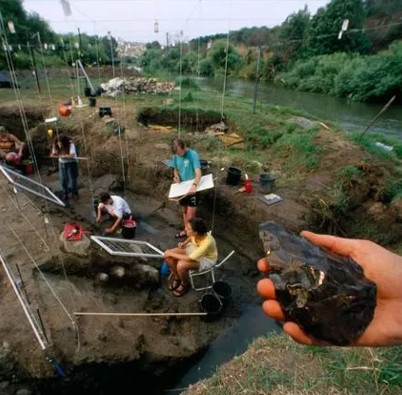
Modern people are different from animals in many characteristics, they form in evolution for millions of years according to different theories.
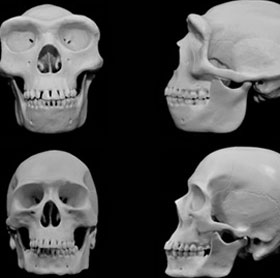
Research evidence from the ancient people (who walked by 2 limbs) showed that the human face evolved to minimize the possibility of injury when fighting.
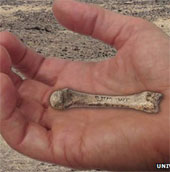
Scientists have discovered an ancient bone in a tomb in Kenya, revealing the ingenious ability of human hands to evolve 600 million years earlier than previous studies.

Early birds 100 million years ago gave up the long bone tail in exchange for flexible legs and evolutionary advantages.
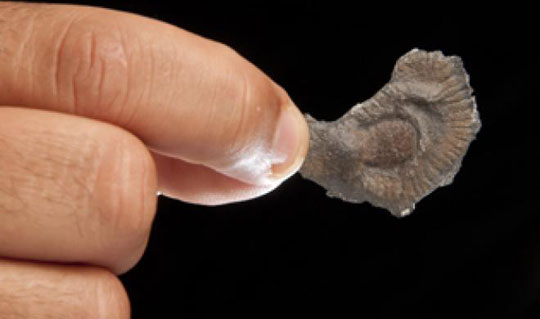
Multicellular organisms can evolve in the pre-Cambrian period, 100 million years earlier than the previous scientific calculations.