Space science
China takes astronauts to Thien Cung 2 station
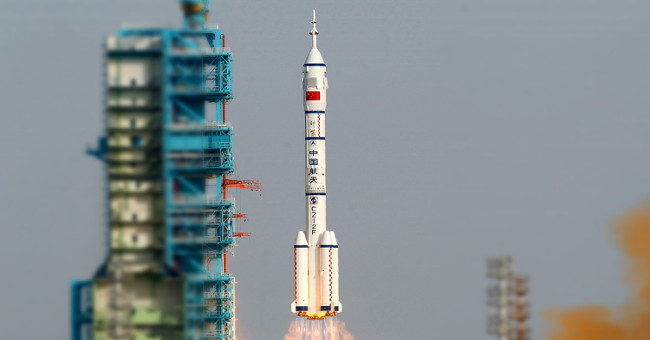
China launched the Shenzhou 11 spacecraft to send two astronauts to Thien Cung 2 station to orbit the Earth.
Browse ScienceInfo articles and explainers related to Experiment.
937 published items.
China launched the Shenzhou 11 spacecraft to send two astronauts to Thien Cung 2 station to orbit the Earth.
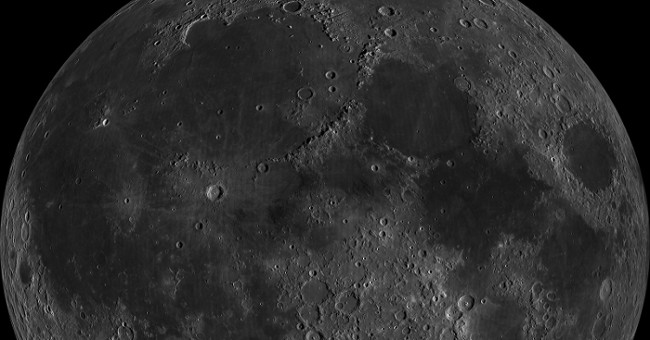
According to a joint study among researchers, having a layer of iron and other elements deep underground is evidence that scientists have long sought to support the theo…
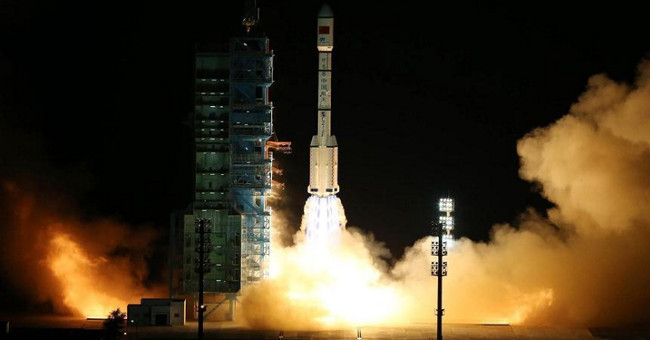
At 22:00 local time (ie 21:00 pm - Hanoi time) on September 15, China launched a second space station called Thien Cung 2 (Tiangong-2) from Tuu Satellite Launching Cente…
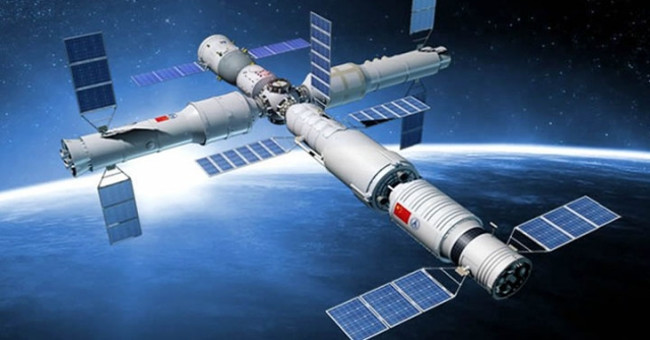
Thien Cung 2 space station and Chinh Truong 2 boosters were put on the launch pad, ready to fly into space to perform many important experiments.

On June 15, the US Agency for Aeronautics and Space (NASA) announced that it has successfully created the largest artificial fire ever in the universe to observe and stu…
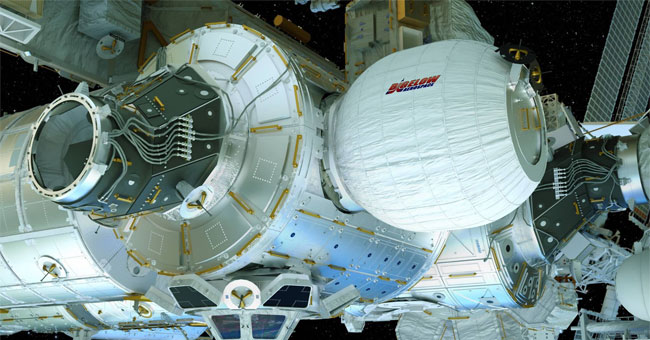
The space space called BEAM is part of an experiment to build short-term living space for space astronauts conducting missions on the Moon or Mars.
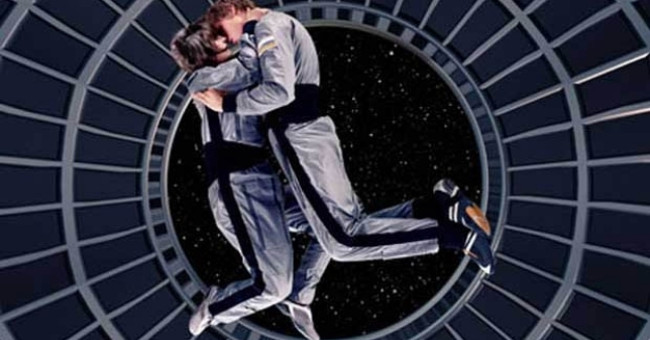
Chinese scientists are approaching the goal of creating humans in the universe, after completing a groundbreaking experiment on the Shijan 10 spacecraft with capsule tha…
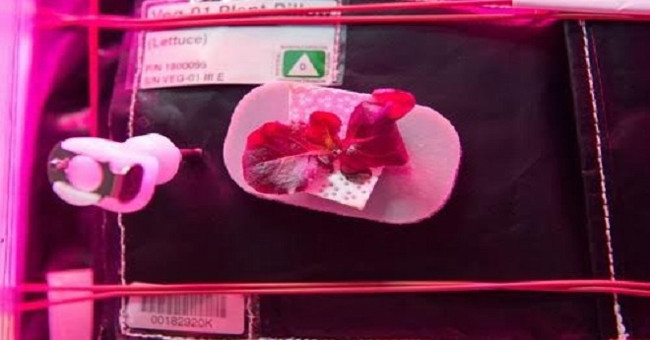
Growing cabbage in the universe, growing mushrooms to make medicines, testing inflated housing are experiments that can help bring people to Mars by the US Aerospace Age…
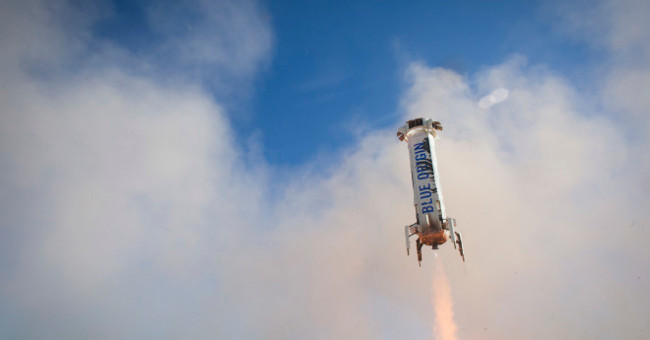
Jeff Bezos and Blue Origin's New Shepard reusable missiles have successfully completed their 3rd launch.
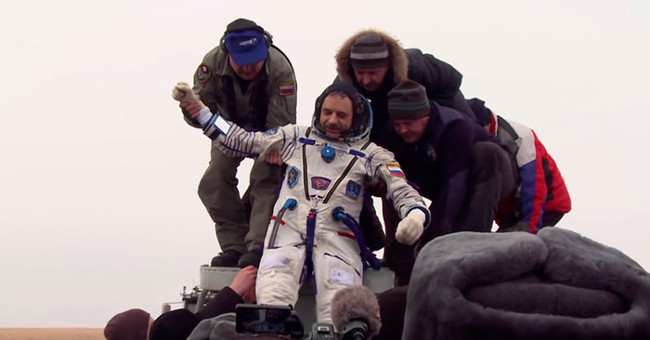
An experimental Russian astronaut landed on Mars, after spending a long time in space.
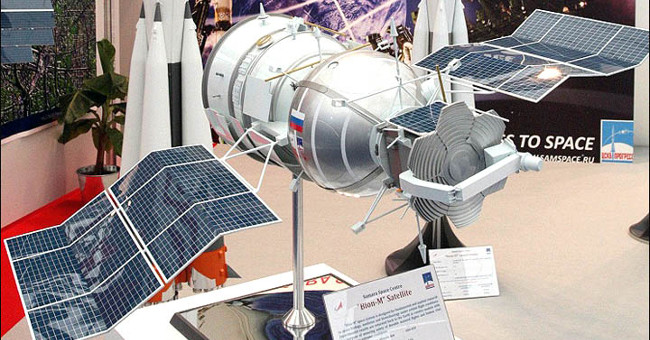
Microorganisms that have existed for millions of years will be tested in space to test the viability of life on Mars.
A huge experiment in Pisa, Italy, is being conducted to find the existence of gravitational waves in the theory of relativity proposed by the scientist Albert Einstein.
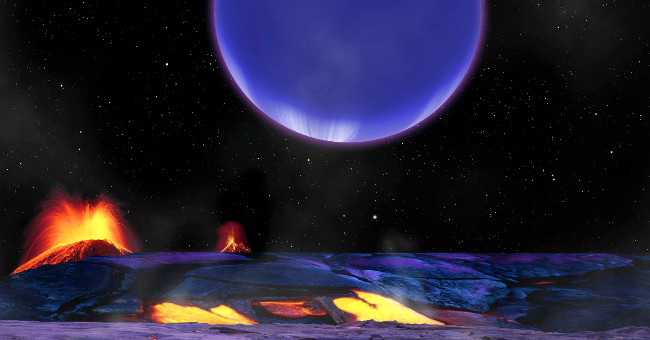
British scientists investigated the possibility of two neighboring planets outside the solar system exchanging life for each other.
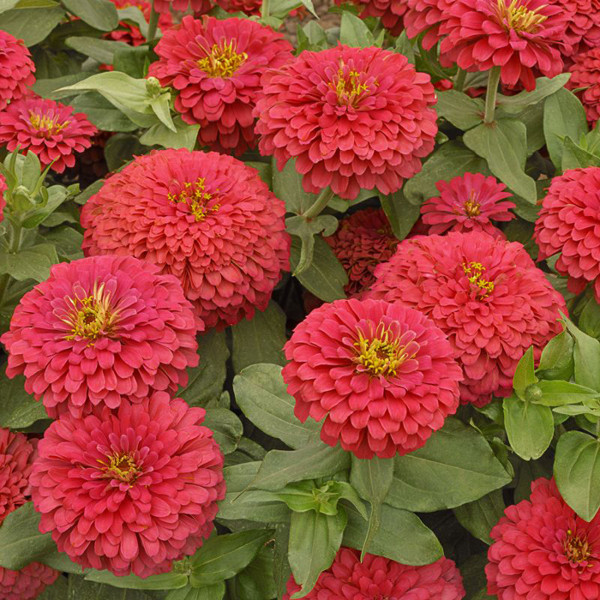
The first five-colored daisies will bloom on the International Space Station (ISS) in two months.