Archeology
Reconstructing the face of a person who lived 50,000 years ago
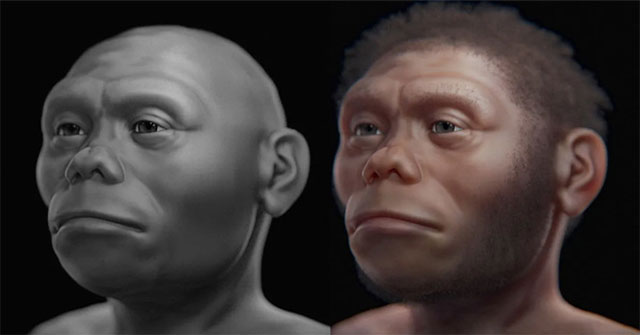
A team of archaeologists and 3D designers reconstructed the face of an individual belonging to the now extinct species Homo floresiensis, genus Homo (Human genus).
Browse ScienceInfo articles and explainers related to Face Reconstruction.
15 published items.
A team of archaeologists and 3D designers reconstructed the face of an individual belonging to the now extinct species Homo floresiensis, genus Homo (Human genus).
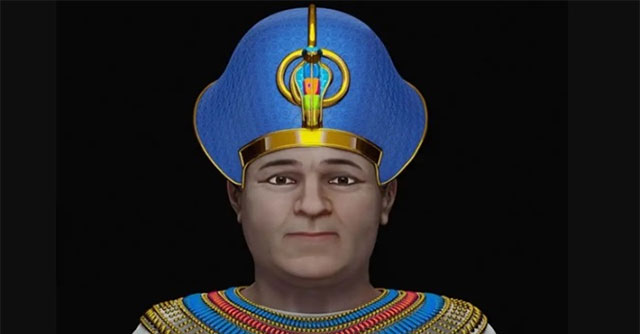
Researchers recreated the portrait of pharaoh Amenhotep III, believed to be one of the wealthiest men in history.
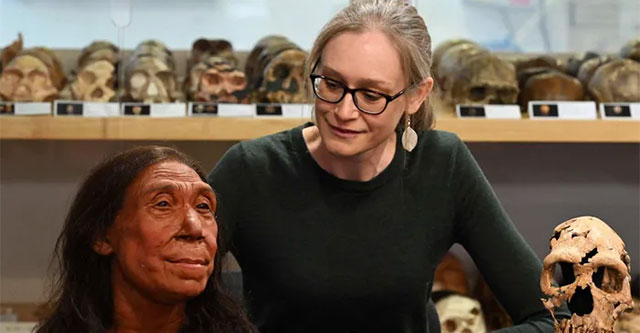
A team of archaeologists in England has revealed the reconstructed face of a Neanderthal woman who lived 75,000 years ago.

For the first time in more than 400 years, researchers were able to reconstruct the face of the father of heliocentrism based on a skull in Poland.
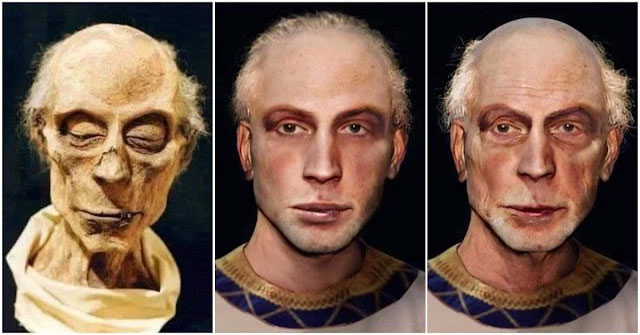
Ramses II is noted as one of the greatest, most powerful and celebrated pharaohs in ancient Egyptian history.
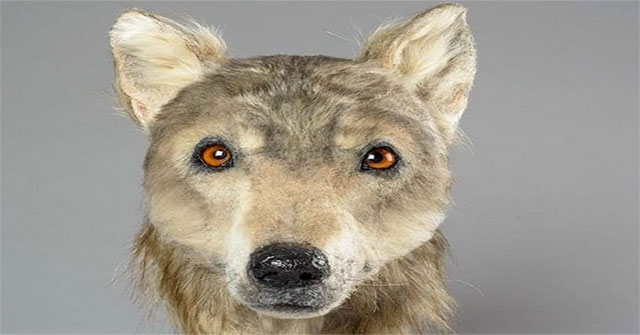
The reconstruction is based on the skull of an ancient dog discovered in the Orkney Islands.
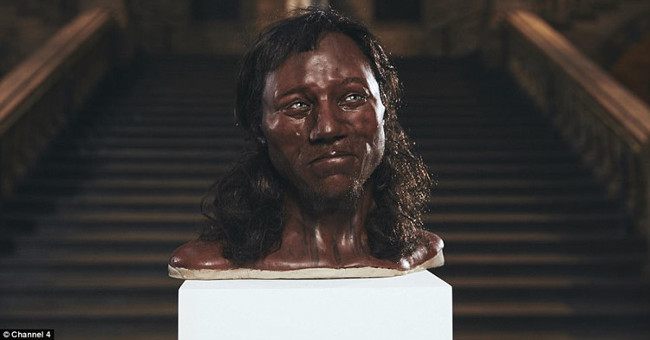
This remains is one of the most intact corpses ever discovered in England.
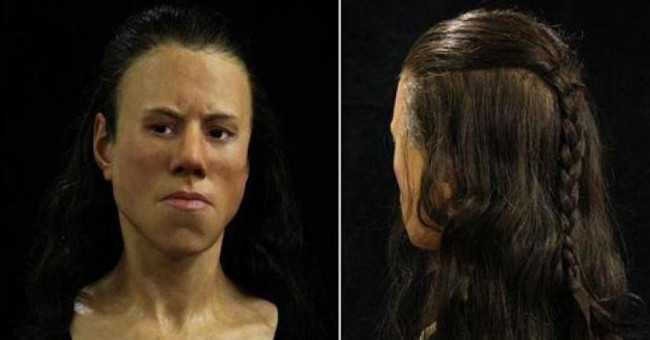
According to Reuters, after analyzing teeth and bones, scientists believe that the young girl named Dawn, who lived 9,000 years ago, is about 15-18 years old.
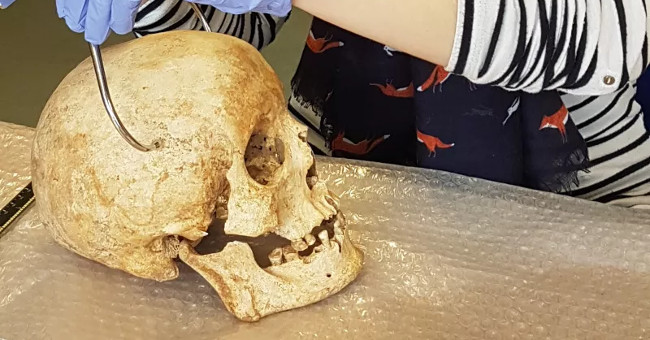
Thanks to modern technologies, scientists recreated the face of a British man living in the 13th century, based on his 700-year-old remnants.
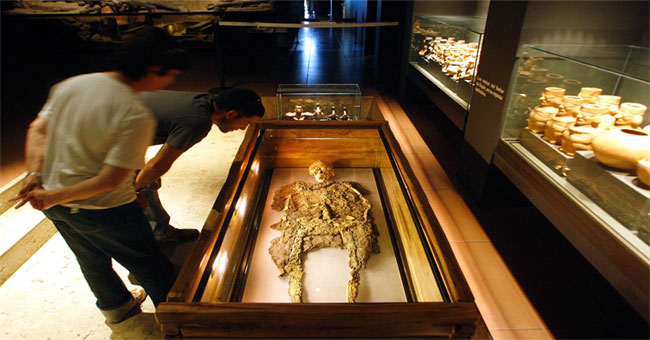
The face of Sipan's lord who died 1900 years ago was recreated by 3D technology.
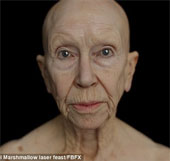
British scientists have recreated the image of a 77-year-old actress with a 3D model whose eyes cannot distinguish true fake.

The forecast was made by a group of scientists who found DNA from five genes that could help determine the color of eyes, hair, and skin, affecting facial shapes in huma…
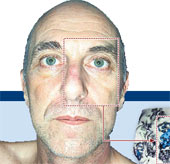
The National University Hospital Singapore (NUH) doctors have given hope to patients with facial deformities due to traffic accidents or cancer caused by iPlan cosmetic…

If you think artificial intelligence can do nothing but voice recognition, you're wrong.

US scientists can replicate the human face seen by monkeys from the brain's signal.