
Archeology
World's oldest fake eye discovered
The prosthetic eye discovered in Iran was born around 2900 - 2800 BC and is still located in the eye socket of a woman's skull.
Browse ScienceInfo articles and explainers related to Fake.
317 published items.
The prosthetic eye discovered in Iran was born around 2900 - 2800 BC and is still located in the eye socket of a woman's skull.

The 'face-changing AI' using artificial intelligence technology is not only fast, but also difficult to distinguish real from fake. Barriers to entry into this technology

The University of Technology Sydney's NOS.E device can not only distinguish the origin, brand and classification of alcohol, but also identify counterfeit alcohol.
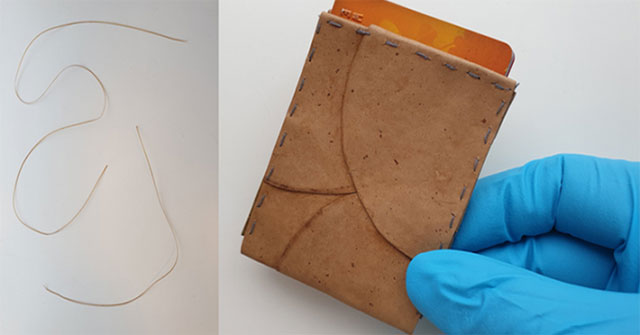
The new type of imitation leather has many of the same properties as real leather, uses natural materials that are not harmful to the environment, and has a short produc…

Chrome Extension (extension for Chrome browser) can identify fake images on profiles (user profiles) with up to 99.29% accuracy.

This year's Beijing Winter Olympics used 100% 'fake snow' (artificial snow) for the tournament. This snowmaking industry...

A flock of snow geese (Scientific name: Chen caerulescens) was migrating through the state of Arkansas, USA, when suddenly fell 'falling like figs' after loud explosions…

TipsMake - When in danger, many snakes often find a way to hide quickly or attack violently, however, a snake called Hognose has a special way to defend itself when in d…

Facebook and Instagram are currently accused of collecting data of minors using activity tracking software.

Swedish scientists have found a new way to kill malaria-causing mosquitoes by tricking them into sucking up poisoned sweet radish juice.
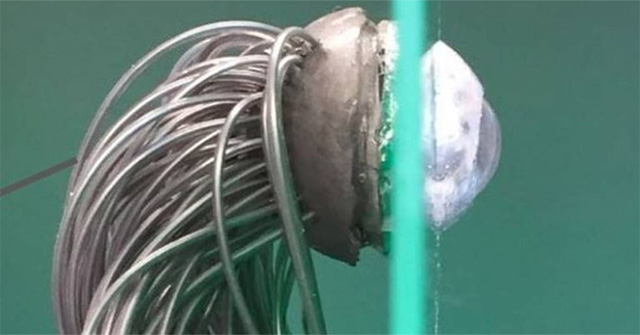
This is an opportunity to help hundreds of millions of blind people in the world see the light.

The photos below have made many people believe that they have been edited.
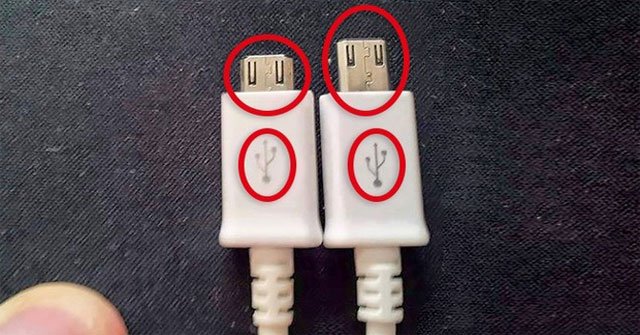
If you pay attention to these points, most people will no longer have to plague money for poor quality electronic products.
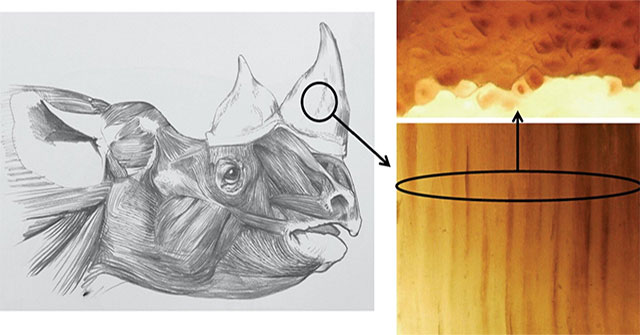
Scientists have successfully created a type of rhino horn made of horsehair with the aim to disrupt the rhino horn trade market and protect this species from extinction.

The horse named Jingang caused social networking fever with the nickname of death when people approached to ride it.