
Discover science
K-222: The fastest submarine in the world
The Soviet nuclear submarine K-222 set a speed record more than 50 years ago and has never been beaten since.
Browse ScienceInfo articles and explainers related to Fastest.
277 published items.
The Soviet nuclear submarine K-222 set a speed record more than 50 years ago and has never been beaten since.

According to a newly published report, Shenzhen, China is the fastest place to produce USD millionaires in the world in the past decade and is forecast to continue to in…
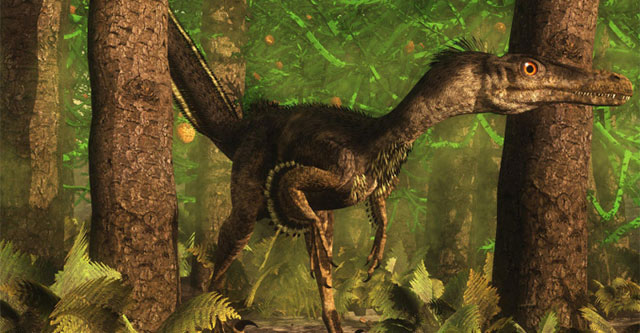
Despite using many methods such as studying footprints and computer modeling, experts still find it difficult to determine the exact speed of dinosaurs.
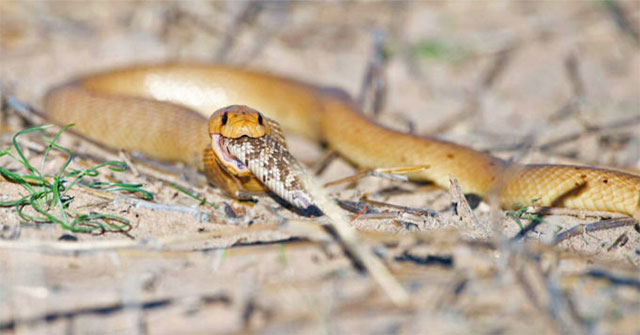
As one of the fastest-attacking snakes in the world, the poisonous puff adder still cannot escape the mouth of the South African cobra.

Europe is warming faster than any other region in the world, increasing the risk of forest fires and floods.
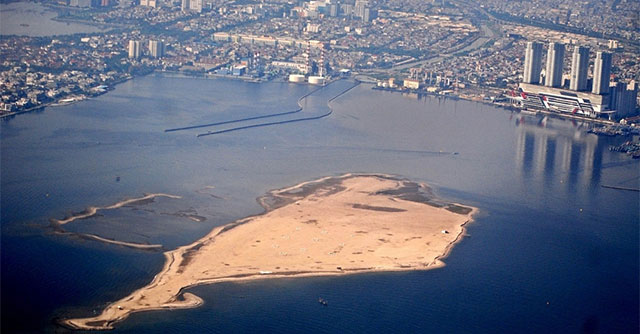
People are often concerned about the problem of rapidly rising sea levels, which threaten the lives of millions of people in large coastal cities - often major commercia…
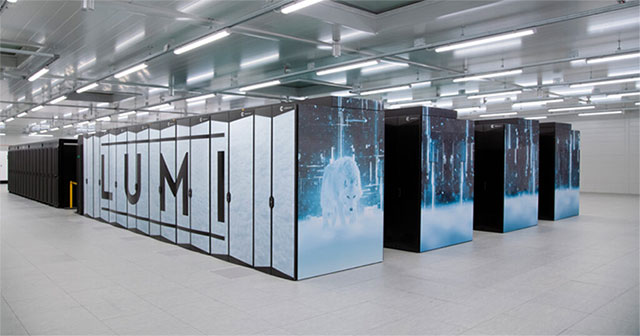
Supercomputers or supercomputers are High Performance Computers (HPC) - high performance computers, with outstanding computing capabilities, far beyond what you can thin…

Thanks to equipment attached to the sailfish's body, scientists recorded the process of it hunting tuna at a maximum speed of 3.1 meters per second.
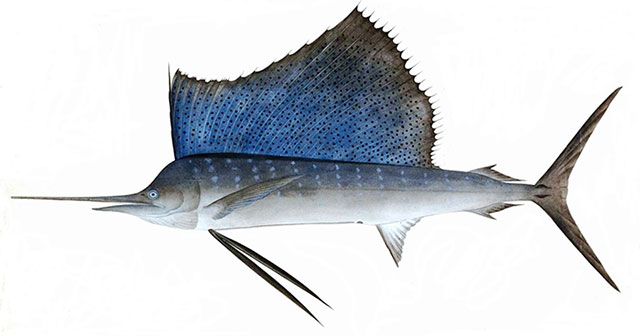
What really sets this fish apart is its numerous fins arranged precisely along the body.

Several studies have asked this question and come to the same answer.
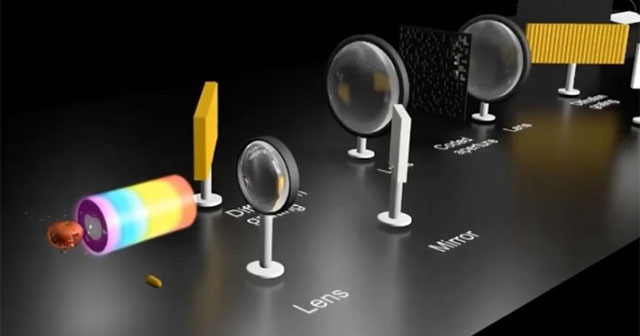
Engineers at the INRS Énergie Matériaux Telecommunications Research Center developed the world's fastest camera, which can shoot at 156.3 trillion frames per second (fps…
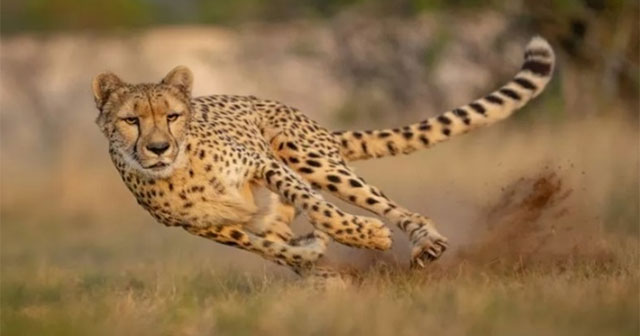
Scientists discovered that cheetahs can run faster than 100km/h thanks to their appropriate body weight.

Tonsillitis can be caused by bacteria or viruses, with the most common feeling being a sore throat.

China has just launched the world's fastest internet service with a connection of 1.2 terabits per second, 2 years earlier than predicted.

The JUPITER supercomputer located in Germany has the potential to become the world's fastest supercomputer for AI applications.